
This transaction ensures that financial data within the Sage platform is not merely stored but actively validated through an integrated workflow engine. The construction industry has long struggled with the sluggish nature of manual data entry and the fragmentation of back-office operations, but

As the cash rate hits 4.6 percent, the feasibility of many large-scale residential projects is evaporating due to the surging cost of servicing project-related debt. This aggressive tightening by the Reserve Bank of Australia has pushed the financial landscape into a territory not seen in fifteen
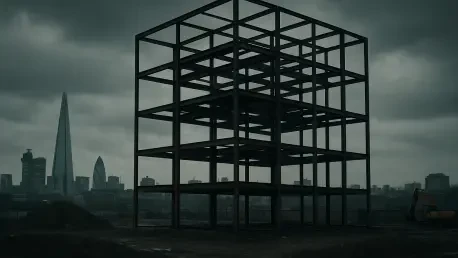
Strict new UK fire safety requirements and regulatory standards have rendered the standing structures at sites like Chesterton and Evesham Close technically and financially unfeasible to complete. This development has placed Ealing Council in an unprecedented administrative bind, as the local

The distinct reprieve for commercial property from negative gearing limitations offers a unique window of opportunity for those with established advisory teams. As the Australian federal government transitions toward a more stringent tax environment from 2026 to 2028, the traditional methods of

The construction industry is navigating an era where the digitization of safety management has evolved from a progressive option into an absolute requirement for operational success. The partnership between McConnell Dowell and HammerTech signals a significant milestone in the modernization of
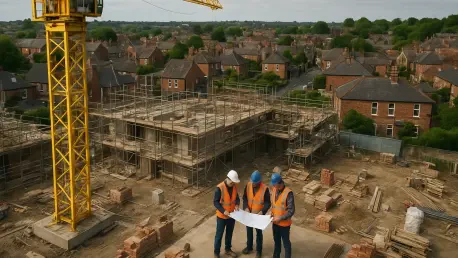
The introduction of this levy creates a significant sunk cost for smaller firms that played no part in historical safety failures but must now absorb the financial burden. This regulatory requirement, established under the Building Safety Act, serves as a cornerstone for a ten-year initiative