
The synergy between building fabric performance and energy network efficiency is now the cornerstone of successful residential placemaking in the United Kingdom. This paradigm shift requires developers to abandon the piecemeal approach of the past, where environmental considerations were often treated as secondary add-ons rather than central design pillars. By mandating a significant reduction in carbon emissions for every new build, the current standards have effectively rewritten the blueprint for housing across the nation. The transition involves much more than just swapping out boilers; it necessitates a holistic reappraisal of how buildings interact with their surrounding infrastructure. Planning departments and construction firms are now forced to collaborate at an unprecedented level, ensuring that the orientation, insulation, and energy sourcing of a project are optimized from the initial concept. This rigorous framework ensures that the housing stock being produced today will remain functional and efficient for the duration of its life.
Navigating the Challenges of Full Electrification
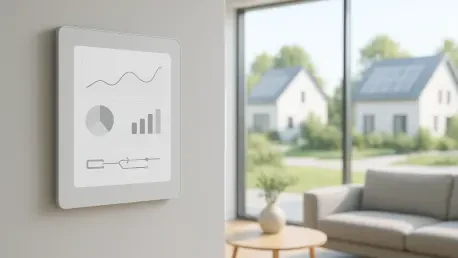
Addressing the strain on local power grids has become one of the most pressing concerns for developers who are transitioning away from traditional fossil fuel heating. When every new residential unit relies on standalone air-source heat pumps, the cumulative demand for electricity can easily exceed the capacity of aging infrastructure. This surge in power requirements often leads to significant delays and substantial costs for grid reinforcement, which can threaten the financial viability of a housing project. Instead of simply building larger power lines to accommodate inefficient peaks, the industry is shifting toward more sophisticated load-management systems. These smart technologies allow for the intelligent distribution of energy, prioritizing critical functions while smoothing out consumption spikes that typically occur during morning and evening hours. By utilizing real-time data and automated control systems, developers can maintain a stable power supply without the need for excessive and expensive physical upgrades to the local energy network.
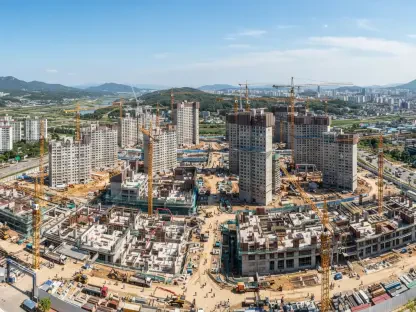
The adoption of integrated multi-utility models is proving to be a highly effective strategy for navigating the complexities of modern site preparation and infrastructure deployment. By coordinating the installation of electricity, fiber-optic communication lines, and low-carbon heating systems through a single, unified framework, builders can significantly reduce the chaos and disruption common on large construction sites. This streamlined approach prevents the inefficient practice of having multiple utility contractors excavating the same trenches at different times, which often results in project delays and increased labor costs. Furthermore, utilizing a centralized utility strategy provides developers with much-needed cost certainty and more predictable construction timelines in an increasingly volatile market. The ability to deliver essential services in a synchronized manner not only improves operational efficiency but also ensures that every aspect of the project meets stringent environmental targets without compromising the overall build quality or the speed of delivery.
The Evolution of Scalable Heating Solutions
In high-density urban environments, the limitations of individual heating units are driving the adoption of communal low-carbon heat networks as a primary solution. These systems, frequently utilizing ambient loop technology, allow for the efficient sharing of thermal energy across entire residential blocks or neighborhoods by tapping into ground-source heat and other renewable energy sources. This method drastically lowers the peak electrical demand on the grid, as the centralized system operates much more efficiently than dozens of independent heat pumps running simultaneously. By decentralizing the energy generation while centralizing the distribution network, developers can achieve remarkable levels of carbon reduction that would be impossible with traditional methods. These networks are inherently scalable, allowing them to expand alongside new phases of development or integrate future technological breakthroughs without requiring a complete overhaul of the existing infrastructure. Such resilience is vital for long-term sustainability and urban planning.
Architects and designers are finding that the move toward centralized heating systems offers a newfound level of creative freedom that was previously hindered by technical constraints. By removing the need for bulky plant equipment and individual water storage tanks within each dwelling, developers can maximize usable living space and refine the interior aesthetics of their projects. This reduction in technical clutter allows for more open-plan designs and larger windows, which can improve natural lighting and the general well-being of the residents. Beyond the immediate interior benefits, the use of community-wide energy systems allows for a cleaner exterior appearance of the buildings, as there is no longer a need for numerous external heat pump units or flue systems. This aesthetic improvement, combined with the practical benefits of increased floor space, significantly enhances the marketability of the homes. The result is a high-quality living environment that feels modern and spacious while remaining fully compliant with the most rigorous environmental standards.
Redefining Professional Roles and Market Value
The current regulatory environment has fundamentally altered the professional landscape for architectural technologists and construction managers who must now act as energy strategists. Success in the modern housing market depends on a professional’s ability to synchronize building performance metrics with complex utility strategies from the earliest stages of the design process. It is no longer sufficient to simply specify high-performance insulation; designers must understand how the thermal envelope of a building interacts with the efficiency of the local energy network. This requires a deep knowledge of orientation, glazing ratios, and the specific energy requirements of advanced heating systems to ensure that each structure contributes to the sustainability of the entire site. As these roles evolve, there is an increasing emphasis on interdisciplinary collaboration, where technical data is used to inform every decision from material selection to site layout. This rigorous approach ensures that every new home is an asset to the power grid rather than a liability.
From a commercial perspective, the focus on low-carbon communities is becoming a primary driver of investment value and long-term asset security for developers and homeowners alike. Today’s home purchasers are increasingly knowledgeable about energy resilience and the potential for rising utility costs, which makes properties with built-in sustainable infrastructure far more attractive. Homes that are designed to operate efficiently within a modern energy network offer a clear competitive advantage in a crowded marketplace, providing buyers with peace of mind regarding their environmental footprint and future expenses. Investors are also recognizing the value of future-proofed developments, as these projects are less likely to require expensive retrofitting to meet even stricter regulations in the coming years. By prioritizing integrated utilities and sustainable heat sources, developers are not just meeting a legal requirement; they are creating high-value products that align with the shifting priorities of a net-zero economy. This alignment of environmental goals and economic incentives is reshaping the financial foundations of the industry.
Strategic Implementation and Future Readiness
Navigating the long-term implications of these standards requires a continuous commitment to professional development and technological adaptation across the entire supply chain. As building regulations continue to evolve, the ability of a development team to anticipate shifts in energy policy and consumer expectations becomes a vital strategic advantage. This forward-thinking approach involves investing in training for on-site personnel and fostering deeper relationships with local planning authorities to ensure that new projects align with regional decarbonization goals. By treating the current standards not as a static ceiling but as a dynamic floor for performance, the industry can maintain its momentum toward a more sustainable future. This proactive stance helps to mitigate the risks associated with changing environmental laws and ensures that new housing remains at the forefront of technical innovation. Ultimately, the goal is to create a resilient built environment that can adapt to the needs of residents while supporting the broader objectives of national energy security and carbon reduction.
The transition toward more sustainable residential construction proved to be a defining moment for the United Kingdom’s housing industry. It demanded that developers move beyond the fragmented utility management systems of the past and embrace a more integrated, holistic approach to placemaking. The successful implementation of these standards required a commitment to innovation, where technology and design worked in tandem to solve the challenges of electrification and grid stability. By prioritizing the synergy between building fabric and energy infrastructure, the sector managed to create homes that were both environmentally responsible and economically viable for long-term ownership. The focus shifted permanently toward resilience, ensuring that new developments were prepared for the demands of a decarbonized power grid. These changes ultimately fostered a more collaborative environment between architects, engineers, and utility providers, leading to a new standard of excellence in the built environment that benefited both the climate and the community.