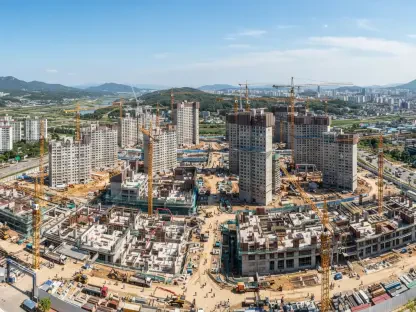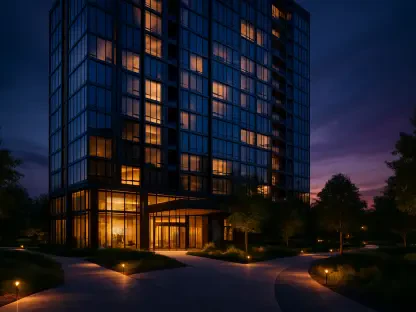

To encourage high compliance with ecological standards, the city is offering tax incentives and regulatory advantages to tourism businesses that achieve green certification. This strategic initiative serves as a cornerstone for the local administration’s attempt to rejuvenate an urban landscape that has long been strained by overcrowding and the loss of its signature pine canopy. The modern framework introduces a rigorous scoring system for new developments, focusing on resource efficiency and the mitigation of heat island effects. Historically, the rapid expansion of residential and commercial districts led to significant environmental stress, including soil erosion and depleted water tables. However, the current regulatory climate emphasizes a proactive stance, where developers are required to prove the long-term sustainability of their projects before ground is broken. This shift in policy represents a departure from reactive management, aiming instead to foster a built environment that exists in harmony with the unique topography of the Cordillera mountain range.
Strategic Infrastructure: The Foundation of Green Design
Water Conservation: Implementing Rainwater Harvesting
One of the most pressing issues addressed by the updated code is the persistent water scarcity that plagues the city during peak tourist seasons. Developers are now legally obligated to install sophisticated rainwater harvesting systems that capture and treat precipitation for non-potable uses such as irrigation and toilet flushing. This requirement is particularly significant given the region’s high annual rainfall, which was previously allowed to run off into the lowlands, often causing drainage issues. By mandating localized storage and filtration, the city aims to reduce the burden on the municipal water supply and ensure that large-scale developments remain self-sufficient. These systems utilize advanced sensors and automated distribution networks to optimize water use, reflecting a technological leap forward for the local construction industry. This transition to decentralized water management is expected to serve as a blueprint for other high-altitude cities facing similar infrastructure challenges.
Soil Integrity: Permeable Paving and Drainage Systems
Furthermore, the integration of permeable paving materials and greywater recycling protocols is transforming the way urban runoff is handled across the hilly terrain. The code specifies that a minimum percentage of open space must remain unpaved or utilize porous materials that allow water to seep directly into the ground, thereby recharging the vital aquifers beneath the surface. This approach is crucial for preventing the flash floods and landslides that frequently occur during the monsoon season due to excessive concrete coverage. From 2026 to 2028, the city is implementing a phased rollout of these requirements for all existing commercial parking lots and public plazas. By treating greywater from sinks and showers on-site, modern buildings can significantly lower their overall environmental footprint. These engineering solutions are complemented by the use of bio-swales and natural filtration ponds that double as aesthetic features in contemporary mountain landscapes.
Sustainable Growth: Balancing Economy and Environment
Energy Efficiency: Passive Cooling and Solar Integration
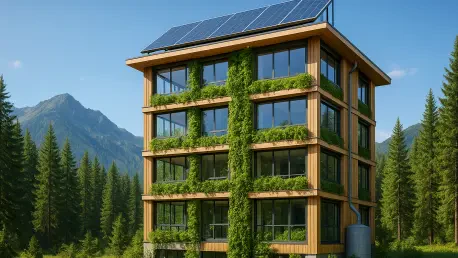
Capitalizing on the naturally cool climate of the highlands, the new building standards prioritize passive cooling techniques over energy-intensive mechanical ventilation. Architects are now designing structures with optimized window-to-wall ratios and strategic orientations that maximize cross-ventilation, drastically reducing the demand for air conditioning. This design philosophy not only preserves the traditional character of the mountain city but also leads to substantial savings in operational costs for property owners. High-performance insulation materials and low-emissivity glass are becoming standard components in the local supply chain, ensuring that indoor temperatures remain stable throughout the day. From 2026 to 2028, the government anticipates a forty percent increase in the installation of rooftop photovoltaic arrays across the commercial district. This push is fueled by the falling cost of solar hardware and the streamlined permitting process provided for green-certified buildings.
Ecological Legacy: Actionable Steps for Urban Renewal
The implementation of the new green building standards represented a decisive step toward securing the long-term viability of the mountain ecosystem. Stakeholders across the public and private sectors recognized that the old ways of expansion were no longer sustainable in the face of climate change and rapid urban migration. To move forward, it became essential for local authorities to strictly enforce these regulations while providing continuous technical training for architects and engineers. Future success depended on the development of a real-time monitoring system that tracked the actual environmental performance of certified buildings over time. Community involvement remained a critical component, as residents were educated on the benefits of sustainable living to ensure widespread adoption of these practices. By focusing on site-specific solutions and leveraging modern technology, the city established a resilient framework that prioritized ecological health for the upcoming years. These efforts provided a clear roadmap for urban renewal.