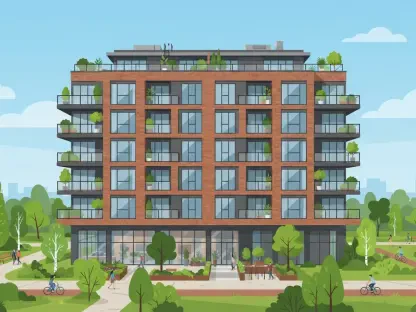
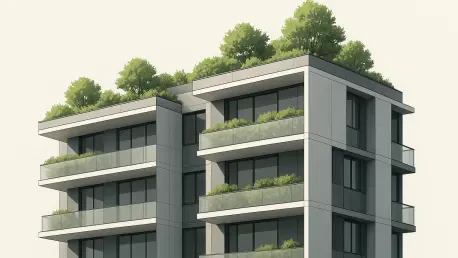
Strategic government intervention through low-interest loans is successfully steering the Toronto construction industry toward housing that meets the immediate needs of residents. This shift represents a fundamental transformation in how urban development functions within the Greater Toronto Area,
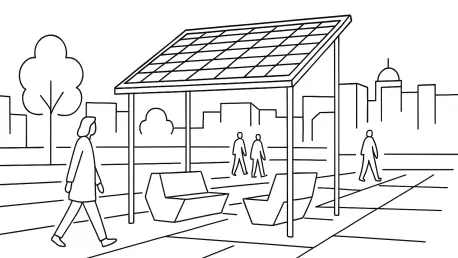
Research suggests that the physical layout of a city directly impacts the survival and connectivity of its residents during periods of intense social or environmental stress. In the heart of Montreal’s Olympic Park, a new installation titled Espace Solaire is putting this theory to the test by

The mandatory introduction of a second staircase in residential buildings over eighteen meters has created a significant challenge for developers balancing safety with financial viability. As urban density increases in 2026, the architectural community is forced to confront the reality that
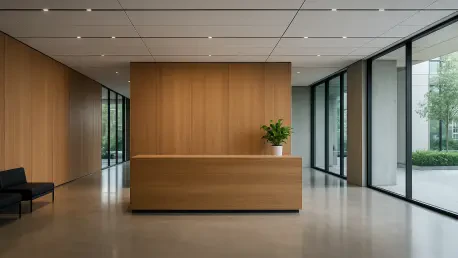
The stability of direct vacancy rates suggests that property owners have been successful at keeping current leases steady despite external pressures. This resilience is currently being tested as the Melbourne-Fringe office market reaches a critical juncture in the third quarter of 2026,
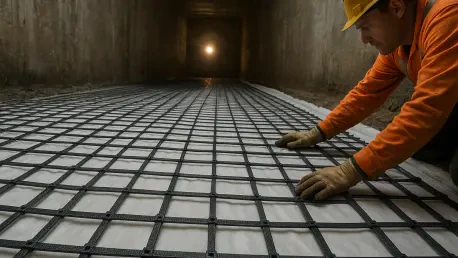
Integrated pultrusion and pullwinding machines enable the high-volume production of hybrid composite bolts that can withstand the chemical demands of tunnel environments. As the global engineering community pushes for infrastructure that lasts over a century, the limitations of traditional

The City of Boroondara is formally challenging the state's decision to bypass local planning authorities in favor of a streamlined 630-dwelling high-density development. This legal and political friction highlights a deepening divide between the Victorian government’s aggressive housing targets and