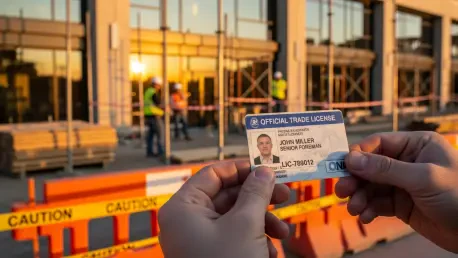

A residential property owner in the heart of Sydney recently discovered that the extensive deck renovation they commissioned was structurally unsound because the contractor lacked a valid trade license. This scenario highlights the critical necessity for Operation Broadwater, a multi-agency compliance initiative led by NSW Fair Trading and SafeWork NSW to scrub the construction industry of illicit practices. The operation involves intensive site inspections across various regions to ensure that every worker on a construction site is not only qualified but also operating within the strict safety guidelines established by the state. By targeting high-risk areas such as falls from heights and the management of hazardous materials like silica dust, the government aims to protect consumers from financial loss and workers from life-altering injuries. These proactive sweeps serve as a vital deterrent against unlicensed operators who compromise on quality to undercut legitimate businesses.
Regulatory Oversight: Strengthening Compliance and Site Safety
Building on this enforcement strategy, inspectors systematically visit construction sites across residential and commercial sectors to verify that every technician holds the appropriate qualifications for their specific trade. These sweeps are not merely bureaucratic exercises; they are designed to identify immediate threats to life, such as improperly secured scaffolding or the dangerous dry-cutting of crystalline silica products. By utilizing real-time digital licensing databases, authorities can instantly cross-reference a worker’s credentials against state records, leaving little room for deception or the use of fraudulent documentation. This technological integration allows for a more agile response, enabling inspectors to issue on-the-spot fines or stop-work orders if they encounter high-risk situations. Furthermore, the collaboration between different government branches ensures that administrative lapses and safety hazards are addressed simultaneously, providing a comprehensive audit of the industry.
Economic Integrity: Protecting Consumers from Shoddy Workmanship
Beyond just identifying illegal workers, the initiative focuses on educating property owners about the inherent risks of hiring unverified tradespeople. When unlicensed individuals perform specialized tasks like electrical wiring or gas fitting, the potential for catastrophic failure increases exponentially, often leaving homeowners with no insurance recourse. Operation Broadwater specifically targets these high-stakes areas to protect the financial integrity of the housing market and the physical well-being of residents. This approach naturally leads to a significant reduction in the economic burden caused by shoddy workmanship and subsequent rectification costs. Moreover, the crackdown helps maintain the reputation of the broader construction industry, which is often tarnished by the actions of a few negligent operators. By removing these bad actors from the supply chain, the New South Wales government reinforces the message that quality and safety are non-negotiable standards for any building project in the state.
Future Benchmarks: Establishing a Sustainable Safety Culture
Looking ahead from 2026 to 2028, the state government moved to refine these enforcement mechanisms by introducing more sophisticated monitoring tools and stricter mandatory reporting for high-risk projects. The success of these initial sweeps laid the groundwork for a more permanent regulatory framework that emphasized proactive risk management over reactive penalties. Stakeholders in the construction industry adopted comprehensive safety management systems that utilized artificial intelligence to predict and prevent potential site hazards before they materialized. Property owners were encouraged to utilize specialized digital verification platforms to ensure all contractors possessed the requisite insurance and valid credentials for the duration of their projects. This cultural shift fostered a transparent environment where safety and quality became the defining characteristics of the local building sector. By prioritizing these rigorous standards, the authorities successfully minimized the prevalence of unlicensed work and lowered workplace incidents.