
The absence of a transparent public record regarding building safety makes it nearly impossible for tenants to assess the risks of their housing choices. As the urban landscape of New Delhi continues to swell under the weight of an ever-growing population, the frequency of structural failures has

Local government projects often face the risk of failed tenders if bidding conditions do not accurately reflect the specialized construction and design costs of modern domes. This financial reality sits at the center of South Korea’s ambitious pivot toward a new urban development paradigm where
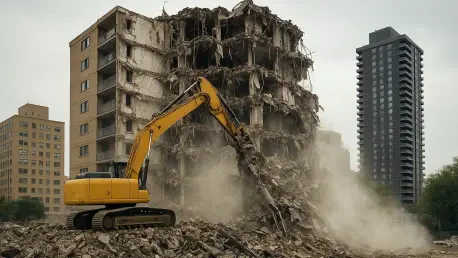
The West Orange Planning Board must now weigh the benefits of a 1,200-square-foot ground-floor commercial space against the potential for increased congestion on the busy Northfield corridor. This debate follows the physical erasure of the historic Essex House, an architectural staple that for

Under Pennsylvania law, the implied warranty of habitability is becoming harder to enforce as AI systems fail to maintain an accurate paper trail of tenant communications. In Philadelphia, the rapid adoption of property management software has fundamentally altered the landscape of renter
The expansion of the Right to Work regime introduces the concept of upstream liability, where a developer can be penalized for violations occurring several tiers deep. This regulatory shift, implemented by the Home Office, represents a fundamental departure from the previous model where legal
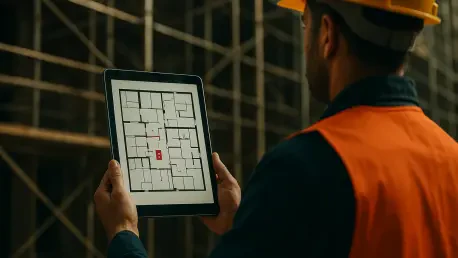
Gaps in communication regarding site boundaries and emergency procedures can lead to dangerous safety breaches where residents inadvertently enter hazardous construction zones. This reality underscores the shifting paradigm in the Scottish construction and remediation sector, where technical