
Northwest Contracting identifies industrial growth sectors, particularly data centers, as the primary catalyst for construction demand over the next five years. This strategic foresight reflects a broader trend in North Dakota, where the intersection of traditional infrastructure and modern technology is reshaping the physical landscape. For over forty years, this Bismarck-based firm has demonstrated an uncanny ability to anticipate market shifts, moving from a specialized concrete subcontractor to a comprehensive construction management powerhouse. The company’s trajectory is more than just a business success story; it serves as a blueprint for how local enterprises can scale their operations by remaining agile and deeply rooted in community needs. By consistently delivering high-value projects that range from academic centers to sophisticated industrial facilities, the firm has established a reputation for reliability that resonates across the Great Plains, ensuring that every new development contributes to a lasting regional legacy.
Foundations: Strategic Growth Milestones
The origins of the firm trace back to 1983 when two ambitious partners decided to launch a small concrete business in Bismarck, initially focusing on localized residential and small commercial work. This humble beginning provided a foundational expertise in structural integrity and site preparation that would prove invaluable as the scope of their projects expanded. Within the first two years of operation, the company secured the rights to the Butler pre-engineered building line, a move that fundamentally altered its business model. By offering these efficient and durable steel structures, the firm was able to transition from being a simple subcontractor to a lead general contractor capable of managing entire commercial builds. This shift allowed the organization to capture a larger share of the regional market, providing clients with comprehensive solutions that combined the speed of pre-engineered systems with the customized touch of traditional construction methods developed over their initial years.
Building on this early success, the firm reached a significant watershed moment in the early 2000s when it pivoted toward the burgeoning field of construction management. The pivotal achievement during this era was the acquisition of the University of North Dakota School of Medicine project in Grand Forks, which marked the first public construction management contract awarded in the state’s history. This landmark project not only showcased the company’s ability to handle high-stakes institutional developments but also paved the way for a sixteen-year period of sustained growth. During this time, the firm completed hundreds of millions of dollars in diverse projects throughout the Bismarck and Mandan areas, reinforcing its status as a trusted partner for public entities. By establishing this level of credibility within the public sector, the organization successfully transitioned into a versatile entity that could manage complex logistics, multi-million dollar budgets, and the high expectations of state and local government agencies.
Operational Strengths: Market Leadership Strategies
A defining characteristic of the firm’s operational model is its commitment to self-performing a substantial portion of its work, a strategy that sets it apart from many modern construction managers who function primarily as brokers. By maintaining an extensive internal fleet of heavy equipment, including cranes and concrete pump trucks, the company retains direct control over the most critical phases of the building process. This vertical integration ensures that project timelines are not entirely dependent on the availability of external subcontractors, allowing for a level of flexibility and responsiveness that is rare in large-scale commercial construction. Furthermore, because the firm employs its own skilled tradesmen and specialized laborers, the project supervisors possess a deep, granular understanding of the daily work being performed on-site. This hands-on approach translates into superior quality control and a more cohesive workflow, as the communication between the management team and the workers is direct and based on shared technical expertise.
The firm’s current project portfolio serves as a testament to its capacity for managing massive and architecturally complex developments that define the contemporary North Dakota skyline. Notable examples include the forty-million-dollar Bavendick Building at Bismarck State College, a multipurpose facility that required sophisticated engineering and logistical coordination. Similarly, the ongoing forty-five-million-dollar expansion at the University of Mary involves the construction of a state-of-the-art sports dome and a large-capacity grandstand, effectively modernizing the campus’s athletic infrastructure. These high-profile assignments demonstrate the company’s ability to navigate the diverse requirements of modern education and sports facilities while adhering to strict safety and performance standards. Beyond institutional work, there has been a significant surge in demand for high-density, wood-framed multifamily housing projects, reflecting the company’s agility in responding to the evolving residential needs of a growing and diversifying regional population.
Future Horizons: Economic Realities and Adaptation
As the construction industry faces the dual challenges of rising material costs and fluctuating interest rates, the firm has increasingly relied on value engineering to maintain project viability. This process involves a meticulous re-evaluation of design specifications and material selections to identify more cost-effective alternatives that do not sacrifice structural integrity or long-term functionality. In an environment where budgets are often fixed and investors are cautious, the ability to “pencil out” a project has become a critical skill for any general contractor. By engaging in these collaborative reviews with architects and owners early in the design phase, the firm ensures that projects remain financially feasible even when economic headwinds are strong. This proactive financial management has allowed many developments to proceed that might otherwise have been stalled or canceled, reinforcing the company’s role as a stabilizer in the regional economy and a reliable partner for those looking to build in an uncertain fiscal landscape.
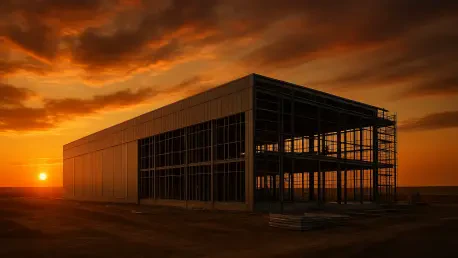
The long-term resilience of the organization was ultimately secured by its dual focus on addressing the skilled labor shortage and embracing technological innovation. To combat the widening knowledge gap left by retiring tradesmen, the firm established robust partnerships with local Career-Tech Education programs, ensuring a steady pipeline of young professionals entered the construction workforce. Furthermore, the company successfully positioned itself to lead in the development of industrial data centers, recognizing these facilities as the backbone of the future regional economy. By adopting modular construction techniques and prefabricated steel systems, the firm optimized efficiency and reduced on-site waste, setting a new standard for sustainable development in the state. These strategic initiatives provided a clear path forward for investors and community leaders, emphasizing that the key to lasting impact was a commitment to both human capital and technological advancement. This holistic approach ensured the regional built environment remained robust and adaptable.