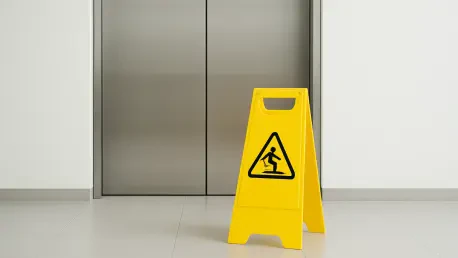

The elevators at The Link at Blackstone have become a site of recurring vandalism, leading to over $172,000 in repair costs and leaving vulnerable residents stranded. This crisis at the Fresno, California, apartment complex highlights a deepening conflict between property management and a resident population that includes many elderly and disabled individuals. For those living on upper floors, the loss of vertical mobility is not merely an inconvenience but a significant barrier to basic health and safety. While the physical structure of the building remains intact, the internal mechanisms that allow for accessibility have been systematically compromised, creating a climate of frustration and fear. The situation has evolved into a complex legal and social standoff, where the technical limitations of the elevator repair industry collide with the immediate needs of people who cannot navigate stairwells. As the costs continue to mount and the elevators remain unreliable, the question of long-term viability for the facility becomes a central concern for the entire community.
Persistent Sabotage: The Financial and Technical Burden
Management at the complex, represented by spokesperson Ed Cafasso, has documented a relentless cycle of destruction that has plagued the property since the beginning of the year. Incidents of vandalism have included the forceful removal of control panels, the smashing of individual floor buttons, and the deliberate kicking in of elevator doors, which has rendered the systems non-functional shortly after repairs are completed. These acts of malice have driven repair expenses to levels that exceed typical maintenance budgets, forcing a reconsideration of how security is managed on-site. Although security cameras are installed within the premises, they do not provide total coverage of the elevator lobbies and interior cabs, leaving critical blind spots that vandals continue to exploit. The financial strain is compounded by the fact that each repair requires specialized labor and expensive components that are frequently targeted again within days of restoration, creating a seemingly endless loop of expenditure and subsequent failure.
Adding to the difficulty of maintaining consistent service is the current state of the global elevator repair industry, which is grappling with severe logistical hurdles. Data from the Adams Elevator Equipment Company indicates a persistent national shortage of specialized replacement parts, which often extends the downtime of broken units from days to months. This shortage is exacerbated by aging infrastructure and increasingly stringent safety compliance codes that require precise, manufacturer-specific hardware that cannot be easily substituted with generic alternatives. Furthermore, the specialized nature of these repairs means that qualified technicians are in high demand, leading to significant wait times for service calls. When parts do eventually arrive, the installation process is frequently delayed by the need for regulatory inspections to ensure the elevators meet modern safety standards. This confluence of external factors has left property managers with few options, as they are caught between the urgency of tenant demands and the slow pace of a strained supply chain.
Social Standoff: Legal Implications and Resident Welfare
The human cost of this mechanical failure is most evident in the daily lives of residents like Felicia Mack, who has reported experiencing debilitating physical pain from being forced to use the stairs despite her mobility limitations. For many in the building, the elevators are the only viable way to reach their homes, and the lack of service has effectively trapped them in their apartments or forced them into dangerous physical exertion. Management has attempted to mitigate these issues by offering temporary housing solutions, such as the case of Jonathan Waltiere, a disabled veteran who was moved to a hotel at the owner’s expense. However, these solutions are often temporary and do not address the underlying problem of accessibility for the dozens of other tenants still residing on the property. The atmosphere within the complex has become one of isolation, as residents feel that their basic right to a safe and accessible living environment is being secondary to the ongoing battle against criminal activity and technical delays.
The city of Fresno became involved through the intervention of City Attorney Andrew Janz, who monitored the property for ongoing code enforcement violations. Officials considered the implementation of progressive daily fines to compel management to find a permanent solution to the elevator crisis, while management asserted that they were acting with all possible urgency. Moving forward, the installation of more robust, vandal-resistant hardware and the expansion of professional security monitoring emerged as the most viable paths toward restoring stability. Stakeholders recognized that simply repairing the machines was insufficient without a simultaneous strategy to deter future damage through improved surveillance and community engagement. Property owners were encouraged to finalize contracts for high-definition camera systems and to pursue criminal charges against identified vandals. By prioritizing both mechanical resilience and tenant security, the complex aimed to break the cycle of failure and ensure that mobility remained a guaranteed feature for all residents.