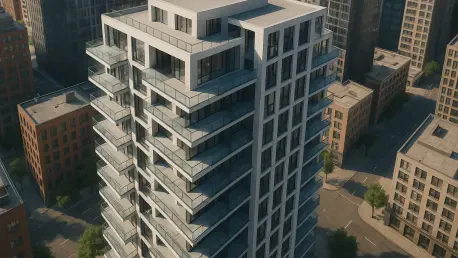

By integrating heritage-inspired Art Deco architecture with high-density housing, the new Perth City Link project aims to provide modern living spaces for vulnerable populations. This landmark initiative, a joint venture between the Western Australian government and the federal Albanese Labor Government, represents a significant leap forward in addressing the urban housing crisis. Located on Roe Street, the 30-story Build to Rent tower is set to introduce 174 new homes into the heart of the Perth Central Business District, consisting of 139 affordable units and 35 social apartments. As part of a massive state-led investment cycle starting in 2026, this development contributes to the 1,500 Build to Rent units currently under construction throughout the region. By prioritizing high-density residential options in premium locations, officials are working to ensure that key workers and low-income individuals have access to the same urban advantages typically reserved for luxury developments in the city center.
Design Standards and Strategic Urban Integration
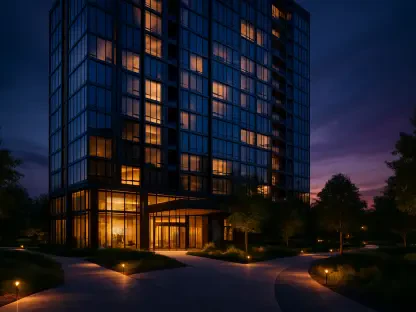
Designed by the acclaimed MJA Studio and brought to life by ICON Construction, the Roe Street project serves as a bridge between Perth’s historical aesthetic and its future-facing urban density goals. The architecture draws significant inspiration from the neighborhood’s Art Deco history, featuring elegant lines and a timeless facade that complements the existing skyline. Beyond its visual appeal, the structure prioritizes functional inclusivity, adhering to the Silver Livable Housing Design standard to ensure accessibility for residents with diverse physical needs. This focus on inclusive design ensures that the building remains a viable home for aging residents or those with mobility challenges over the coming decades. By blending these classical design elements with modern construction techniques, the development manages to feel both established and innovative, providing a dignified living environment that challenges the traditional stigma often associated with public housing projects.
Sustainability remains at the core of the tower’s engineering, with the project targeting an average eight-star NatHERS energy efficiency rating. This high standard is achieved through a combination of high-performance insulated facades and strategic passive design measures that capitalize on natural light and ventilation. By incorporating all-electric services and advanced cross-ventilation systems, the building significantly reduces its carbon footprint while lowering utility costs for its tenants. These environmental features are not merely cosmetic; they represent a fundamental shift toward sustainable urbanism where energy poverty is addressed through superior building performance. The integration of these technologies ensures that the residents, who are often the most sensitive to rising energy prices, benefit from a living space that is naturally cool in the summer and warm in the winter without relying on excessive mechanical heating or cooling throughout the year, which enhances long-term affordability.
The successful completion of the Roe Street project established a robust precedent for high-density social infrastructure across Western Australia. Upon finishing the construction phase, the state finalized the transition of the asset to a community housing provider to manage the long-term tenancy and maintenance requirements. This move secured the building’s role as a permanent fixture in the city’s affordable housing inventory, aligning with the broader mission to deliver 9,800 social homes by 2030. Leaders recognized that providing physical structures was only the first step; creating sustainable, managed communities required deep collaboration between private builders and social sectors. By prioritizing these transit-oriented developments, urban planners effectively reduced the reliance on private vehicles and optimized the use of existing metropolitan land. The project demonstrated that large-scale vertical living could provide a viable, high-quality solution for housing security for the long term.