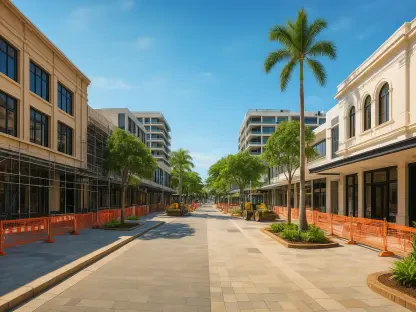

Imagine walking through a sprawling metropolitan square where every architectural detail, from the gleaming glass facades to the ornate paving stones, suggests a peak of human achievement, yet there is nowhere to perform a basic biological function. This specific scenario highlights a fundamental paradox in modern urban planning, where essential utilities often remain invisible to the public consciousness until the moment they are either absent or malfunctioning. While grand plazas and high-end retail developments frequently capture the attention of design awards and media coverage, the actual day-to-day functionality of a city depends on the availability of clean, working facilities. When these amenities are neglected or removed, it reveals a significant disconnect between aesthetic architectural goals and the basic biological needs of the people using the space. A city that prioritizes the visual over the functional risks becoming a series of hollow monuments rather than a living environment that supports its inhabitants effectively throughout the day.
The Crisis of Urban Accessibility and Social Equity
The Erosion of Civic Infrastructure: A Growing Divide
The current trend in major metropolitan areas shows a steady and concerning decline in restroom availability, with facility closures significantly outnumbering the creation of new infrastructure. In major global hubs like London and New York, this dismantling of civic utilities has led to the emergence of “restroom deserts,” where the lack of basic amenities dictates and restricts public movement to an extreme degree. This systemic loss of facilities is not merely a statistical anomaly or a budgetary byproduct; it represents a significant shift in urban priorities, suggesting that the public realm is no longer being maintained for universal use. As municipal budgets are tightened, the first services to be cut are often those that provide the most fundamental support for people navigating the city on foot. The resulting gaps in the urban fabric force individuals to rely on private businesses, which often require a purchase for entry, effectively privatizing a human right and excluding those who cannot afford to pay for access.
This erosion of the commons has profound implications for how citizens perceive their right to inhabit urban spaces without constant financial transactions. When a city removes public facilities, it sends a clear signal about who is welcome in the downtown core and who is considered a burden on the system. The disappearance of these spaces often coincides with broader efforts to “clean up” urban centers, which frequently results in the displacement of the most marginalized community members. By failing to provide adequate infrastructure, local governments are essentially creating a hostile environment that discourages long-term engagement with the city’s streets and parks. This trend towards exclusion undermines the very concept of a democratic public space, where every individual should have the ability to exist and move freely. The restoration of these facilities is therefore not just a matter of convenience but a critical step in reclaiming the city as a shared resource that serves everyone regardless of their socio-economic standing.
Exclusionary Design: The Impact on Vulnerable Populations
The disappearance of these facilities creates significant and often insurmountable barriers to entry for vulnerable populations, including older adults, families with young children, and individuals with chronic medical conditions. For many of these people, the ability to participate in public life is contingent upon the proximity of a clean and accessible restroom. These groups often map their urban journeys based on the known location of facilities; without them, they are effectively excluded from the social and economic life of the city. For a parent with a toddler or a senior citizen with limited mobility, a thirty-minute gap between available restrooms can be the difference between a successful outing and a stressful emergency. This reality forces many to stay home, leading to increased social isolation and a decline in physical activity. Providing adequate facilities acts as a definitive litmus test for whether a city is designed for all its citizens or if it merely caters to the young.
Beyond the physical limitations, the lack of restrooms imposes a psychological burden on those who must constantly scan their surroundings for a place to go. Individuals with conditions like Crohn’s disease or irritable bowel syndrome experience high levels of anxiety when navigating “restroom deserts,” which can lead to a complete withdrawal from metropolitan activities. This form of environmental exclusion is often overlooked in traditional accessibility audits, which focus primarily on ramps and door widths rather than the biological realities of human existence. When urban designers fail to account for these needs, they are inadvertently endorsing a “survival of the fittest” model of urbanism. To be truly inclusive, a city must acknowledge that every person, at some point in their day, will require a restroom. Ensuring that these spaces are plentiful and well-maintained is a fundamental requirement for creating a city that respects the dignity of all its residents and encourages a diverse range of people to occupy the public realm.
Technical Engineering and Professional Responsibility
Managing Complex Infrastructure: Beyond Simple Plumbing
From a technical and engineering perspective, public restrooms are far more complex than their small physical footprints might suggest, requiring systems specifically engineered for “event-scale” demand. Unlike standard residential or office bathrooms, public facilities must be designed for extreme durability, peak load management, and high-performance ventilation to handle thousands of unique users every single week. Success in these high-traffic projects depends on the selection of robust materials, such as stainless steel and industrial-grade ceramics, and the implementation of advanced waste management systems that can operate under pressure. Modern engineering solutions now include self-cleaning floor systems and automated sensor-driven fixtures that minimize touchpoints while maximizing hygiene. These systems must be integrated into the existing urban grid, often requiring creative solutions for water pressure and sewage connectivity in historical or densely packed areas where space is at a premium and old pipes are common.
Furthermore, the integration of smart technology into these facilities has become a standard requirement for maintaining safety and operational efficiency. Real-time monitoring systems can now alert maintenance crews when supplies are low or when a fixture has malfunctioned, preventing the long periods of downtime that previously plagued public toilets. Advanced ventilation and air filtration systems are also critical, not just for odor control but for maintaining a healthy environment in enclosed spaces. These technical requirements mean that the design of a public restroom is a specialized field that demands a high level of coordination between architects, MEP engineers, and urban planners. By treating these structures as critical nodes of infrastructure rather than secondary add-ons, the professional community can ensure that they remain functional and dignified over decades of heavy use. This technical rigor ensures that the investment in public health pays off by reducing the spread of disease and maintaining the overall cleanliness of the surrounding urban area.
Strategic Integration: The Path Forward for Urban Centers
The development of a robust network of facilities required a fundamental shift in how municipal leaders viewed the intersection of public health and economic growth. Planners discovered that the installation of high-quality restrooms directly influenced the “dwell time” of visitors in commercial districts, which proved essential for the economic success of retail and cultural zones. It was observed that when shoppers and tourists felt comfortable staying longer, local businesses saw a measurable increase in foot traffic and revenue. This correlation led to the implementation of new zoning laws that mandated the inclusion of public-access restrooms in all large-scale commercial developments. These policies moved beyond simple compliance, encouraging developers to view facilities as an amenity that added value to their properties rather than a liability to be minimized. Architects also took a more active role in advocating for these spaces, arguing that a building’s relationship with the street was incomplete without a clear commitment to the basic needs of the passersby.
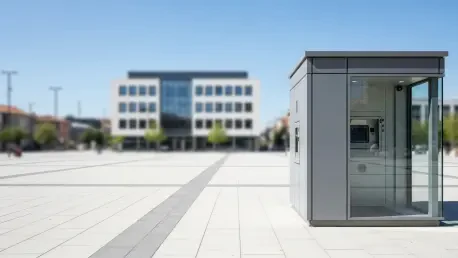
To solve the long-term maintenance challenge, several cities successfully piloted decentralized management models that partnered with local businesses or specialized service providers. These initiatives ensured that restrooms remained clean and safe without placing an undue burden on the overstretched departments of traditional public works. Furthermore, the use of modular, prefabricated units allowed for the rapid deployment of facilities in areas that were previously underserved, significantly reducing the initial capital investment required. It was concluded that the most effective strategy involved a combination of public funding and private accountability, creating a sustainable ecosystem of civic care. Moving forward, the integration of restrooms into the very earliest stages of urban master planning will be a key indicator of a city’s resilience. By prioritizing these essential services, urban centers across the country demonstrated that they could be both modern and compassionate, providing a template for how a 21st-century city ought to treat its people.