
Nigeria stands at a critical crossroads where the demand for urban infrastructure intersects with the global necessity for environmental preservation and resource management. The Federal Government has recently solidified a strategic partnership with prominent civil society organizations and technical industry leaders to fundamentally transform the national housing sector. This initiative prioritizes the integration of climate-friendly materials, moving away from the high-carbon, resource-intensive construction methods that have long dominated West African urban landscapes. By institutionalizing green building practices, the administration aims to modernize the built environment while ensuring that housing remains both accessible and ecologically responsible. This shift is not merely a policy adjustment but a comprehensive strategy to address the nation’s staggering housing deficit through innovation and long-term stewardship. The movement emphasizes durability and resilience, ensuring that new developments can withstand the localized effects of a changing climate while fostering a sustainable economic ecosystem for years to come.
Climate Resilience: Reducing Environmental Impact
A primary driver of this shift is the urgent need to reduce the construction industry’s substantial carbon footprint, which has historically been elevated by traditional manufacturing. The production of conventional materials like Portland cement and structural steel contributes significantly to greenhouse gas emissions, a problem that is being further intensified by Nigeria’s rapid urbanization and population growth. In response, the Ministry of Housing has begun incentivizing the use of eco-friendly alternatives, such as compressed stabilized earth blocks and recycled aggregates, which are designed to minimize waste and improve energy efficiency throughout a building’s entire lifecycle. These materials not only lower the carbon intensity of new builds but also align the nation’s infrastructure development with international climate commitments. By moving toward a circular economy in construction, the industry is effectively mitigating the environmental degradation associated with raw material extraction and heavy industrial processing.
In Nigeria’s distinct tropical climate, the adoption of sustainable materials offers the added benefit of superior thermal properties that naturally regulate indoor temperatures. Traditional concrete structures often trap heat, creating a reliance on energy-intensive air conditioning systems that strain the national power grid and increase costs for residents. Green building designs, however, utilize high-thermal-mass materials and natural ventilation strategies to maintain comfort without excessive mechanical cooling. This reduction in energy consumption is a cornerstone of the new housing strategy, as it directly lowers the operational costs for homeowners while decreasing the overall demand on the country’s energy infrastructure. As urban centers continue to expand, these heat-mitigating technologies will play a vital role in ensuring that housing remains habitable during periods of extreme temperature. The integration of reflective roofing and porous pavements also contributes to reducing the urban heat island effect, creating more sustainable city environments for the population.
Economic Transformation: Local Industry Growth
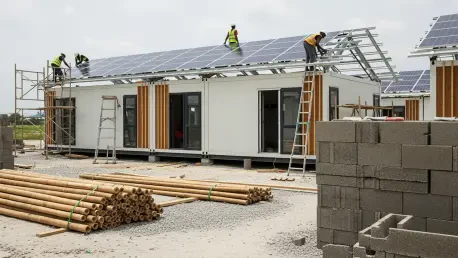
The push for green construction is also deeply rooted in the urgent need for affordable housing solutions that can cater to the majority of the population. Traditional building methods have become prohibitively expensive due to the rising costs of imported raw materials and the logistical challenges of high-carbon logistics chains. By pivoting toward locally sourced and sustainable building components, the industry can significantly decrease its dependence on costly imports and volatile foreign exchange rates, which often fluctuate unpredictably. Utilizing bamboo, timber, and locally processed clay allows developers to lower the overall cost of construction while maintaining high standards of structural integrity and safety. This economic shift is essential for making homeownership a realistic goal for low- and middle-income households who have been previously priced out of the formal market. Moreover, the transition to decentralized material production reduces transportation costs and encourages the growth of manufacturing hubs across various geopolitical zones.
This systemic transition is expected to stimulate the domestic manufacturing sector, as entirely new supply chains emerge to meet the rising demand for eco-friendly building components. Beyond making housing more accessible, the expansion of a local green economy will generate significant employment opportunities for architects, engineers, and skilled laborers specialized in sustainable technologies. Training programs are being developed to equip the workforce with the necessary expertise to handle innovative materials and implement green design principles on a massive scale. This investment in human capital ensures that the benefits of the green transition are distributed across the country, supporting national economic diversification while building a more inclusive housing market. As local businesses begin to produce specialized insulation, solar-integrated roofing, and water-efficient fixtures, Nigeria positions itself as a regional leader in sustainable industrialization. This growth not only strengthens the national economy but also provides a replicable model for many other nations.
Strategic Framework: Partnerships and Standards
To ensure the long-term success of this initiative, the Federal Ministry of Housing and Urban Development is fostering a collaborative framework between the public and private sectors. This partnership allows for the pooling of technical expertise and the substantial financial investment required to scale up sustainable technologies across thirty-six states. Large-scale developers and financial institutions are being encouraged to adopt green financing models, which offer lower interest rates for projects that meet specific sustainability criteria. Aligning national policies with global green building standards also enhances Nigeria’s competitiveness on the international stage, opening doors for foreign direct investment from climate-focused funds. These collaborations are essential for overcoming the initial capital barriers often associated with innovative construction methods. By creating a transparent and supportive regulatory environment, the government is incentivizing the private sector to lead the charge in creating resilient urban spaces that can withstand future ecological pressures.
The strategic adoption of these sustainable practices established a foundation for a more resilient urban landscape that balanced population growth with environmental integrity. Authorities prioritized the immediate update of national building codes to reflect these green standards, ensuring that all new permits adhered to strict energy and material efficiency guidelines. Educational institutions across the country integrated green construction into their curricula, preparing a new generation of professionals to lead the ongoing transformation of the built environment. Stakeholders also focused on the development of comprehensive waste management systems that allowed for the widespread reuse of demolition materials in new projects. These actions successfully shifted the national dialogue from temporary housing fixes to long-term infrastructure health and economic stability. By focusing on actionable solutions like localized material sourcing and green financing, the housing sector effectively transformed into a primary driver of national prosperity, securing a more sustainable future.