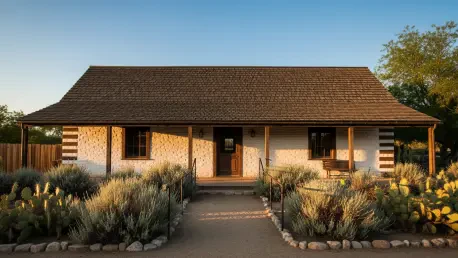

Nestled quietly on the sun-drenched fringes of Pasadena, a singular adobe and timber structure stands as the definitive silent witness to the rugged mercantile beginnings of a region that would eventually transform into a global metropolitan powerhouse. This landmark, recognized as the oldest surviving commercial building in Southern California, offers a unique opportunity for contemporary travelers to bypass the commercialization of modern history and step directly into a narrative of early Western trade. Unlike the curated and often costly experiences found in major city centers, this site remains free to the public, underscoring a commitment to cultural accessibility that is increasingly rare in the current economic landscape. Its survival across centuries of rapid urban development provides an essential anchor for those seeking to understand how local entrepreneurship once functioned before the advent of concrete highways and digital logistics. It serves as an educational beacon.
Historical Evolution: From Frontier Outpost to Cultural Anchor
During the mid-nineteenth century, this structure functioned as a vital node in a sparse network of trade routes that sustained early Californian settlers long before the state became synonymous with modern industry. The building represents a transition from the informal barter systems of the frontier to a more structured economic framework where merchants provided the essential link between coastal ports and inland agricultural communities. These early entrepreneurs faced immense logistical challenges, yet their persistence laid the foundational stones for the regional economy that persists today. Walking through the heavy doorways, one can almost sense the ghosts of pioneers who traded goods ranging from basic textiles to essential agricultural tools. This site is not merely a static museum; it is a physical narrative of the hardworking individuals who built their livelihoods in an environment that demanded constant adaptation and resilience in the face of significant isolation.
The continued existence of such a fragile piece of history is the direct result of dedicated preservation efforts spearheaded by local historical societies and architecture experts who recognize the value of physical heritage. These professionals utilized traditional techniques to stabilize the original foundation, ensuring that the structural integrity remains sound for thousands of visitors who arrive throughout the 2026 season. Restoration was not merely about cosmetic repairs; it involved a deep commitment to maintaining the authentic 1800s atmosphere while integrating subtle, necessary safety upgrades for modern public access. By honoring the specific legacy of the original builders, the site ensures that the current generation can grasp the immense shift from early agrarian life to the complex urban environment seen today. This ongoing stewardship prevents the loss of crucial cultural data, providing a tangible classroom where the evolution of Californian commerce remains visible.
Architectural Heritage: Woodwork and Masonry Details
The building serves as a masterclass in the utilization of indigenous and imported materials that were standard in the early commercial districts of the Pacific coast during the nineteenth century. One can observe the remarkable durability of the original woodwork and thick masonry, which have withstood over a century of seismic activity and varying environmental conditions. The craftsmanship evident in the hand-hewn beams and the precise joinery reflects an era where commercial buildings were expected to serve as long-term community staples rather than temporary retail hubs. These architectural elements showcase a profound understanding of thermal mass and ventilation, strategies that were essential for comfort in the Southern California climate before the invention of mechanical cooling. Observing the weathered texture of the window frames provides a direct sensory connection to the builders who prioritized practical design and long-term utility above all else.
Internal design choices within the landmark highlight the sophisticated simplicity of storefront architecture from a bygone era, emphasizing an efficient use of space that prioritized the movement of goods. Large display windows and high ceilings allowed natural light to flood the interior, a necessary feature when artificial lighting was limited to kerosene lamps and candles. This interplay of light and shadow creates a moody, immersive environment that helps modern guests visualize the daily operations of a historical general store or trading post with surprising clarity. Architectural historians frequently cite this specific building as a quintessential study in functional aestheticism, noting how every structural element served both a commercial and a communal purpose. By preserving these unique layout features, the site allows for a deep appreciation of the spatial logic that governed early retail environments, long before modern merchandising and digital displays.
Educational Integration: Self-Guided Tours and Expert Insights
Modern visitors often feel constrained by the rigid schedules of guided museum tours, but this historical landmark prioritizes an open, self-guided exploration model that caters to individual curiosity. This approach allows guests to navigate the corridors and various rooms at their own pace, lingering over specific exhibits or architectural details that hold personal significance. To support this freedom, the site features a comprehensive array of interpretive signage that provides essential historical context without overwhelming the visual experience of the building itself. These placards explain the original functions of specific rooms and detail the painstaking methods used during the restoration process, bridging the gap between past and present. Such flexibility is particularly valuable for photography enthusiasts or researchers who require more time than a standard group tour permits, making the site a preferred destination for those who value an unhurried and deeply personal cultural experience.
While the self-guided nature of the site is a major draw, knowledgeable staff members are strategically positioned throughout the premises to provide additional insights into the more nuanced aspects of the history. These experts are prepared to answer complex questions regarding the building’s role in local politics or the specific provenance of the artifacts housed within its walls, enriching the visit for people of all ages. Most visitors find that a thorough exploration of the building and its immediate surroundings takes between forty-five minutes and two hours, making it a substantial outing that does not require an entire day. This specific timeframe allows travelers to integrate the visit into a broader regional itinerary, perhaps pairing it with other cultural stops in the nearby Pasadena area. The combination of structured information and organic discovery creates a balanced educational environment that effectively translates the complexities of nineteenth-century life.
Botanical Context: Gardens and Native Landscaping
The immersive experience extends well beyond the interior walls of the building into the meticulously maintained grounds, which feature a curated selection of heritage and native Californian plants. These gardens serve as a horticultural tribute to the environment that the early merchants would have recognized, showcasing vegetation that was both functional and aesthetic during the building’s infancy. Walkways meander through various scenic zones, providing accessible routes for guests to enjoy seasonal blooms and the cooling shade of mature trees that have stood for decades. This botanical display is not merely decorative; it serves a pedagogical purpose by illustrating the types of flora that were essential for shade, medicine, and food in a pre-industrial society. By maintaining this natural context, the site offers a holistic view of nineteenth-century life, where the boundaries between the built environment and the surrounding landscape were much more porous than they are in modern urban centers.
For those with a keen eye for photography, the late afternoon hours provide a spectacular opportunity to capture the interplay of golden sunlight against the building’s aged facade and the natural stone elements. The site also acts as a micro-habitat for various local bird species and pollinators, adding a layer of wildlife observation that contrasts beautifully with the historical themes. This peaceful sanctuary provides a necessary respite from the frantic energy of the surrounding suburbs, allowing visitors to pause and reflect on the enduring spirit of the early pioneers. The gardens are designed to be a year-round attraction, with different species reaching their peak in every season, ensuring that the outdoor experience remains fresh and engaging for repeat visitors. Whether one is interested in botany, photography, or simply seeking a quiet place for contemplation, the grounds provide a multi-sensory environment that complements the historical weight of the oldest commercial building.
Practical Preparation: Visiting Strategies and Next Steps
Planning a successful trip to this landmark involves understanding the practicalities of a site that balances historical preservation with modern public access requirements. The location is conveniently situated near major transportation corridors, making it accessible for both local commuters and international tourists looking for authentic cultural experiences. While much of the garden path and the main levels of the structure are designed for ease of movement, visitors should remain mindful of the uneven surfaces and narrow staircases that are characteristic of nineteenth-century architecture. Facilities on-site are intentionally kept minimal to preserve the historical atmosphere, though basic amenities like restrooms and shaded picnic areas are available for public use. Since there is no on-site food service, many guests choose to bring light refreshments to enjoy in the tranquil outdoor seating areas, further leaning into the slow tourism philosophy that the site encourages.
Successful integration of this site into a broader travel strategy depended on choosing weekday mornings to avoid the peak crowds and ensure a quiet atmosphere for reflection. Future visitors prioritized checking local event calendars to synchronize their arrival with specialized historical workshops or seasonal garden tours that provided deeper layers of engagement. It was observed that the most rewarding experiences came from those who allocated sufficient time to observe the fine details of the masonry and the specific plant varieties in the heritage garden. Travelers sought to minimize their environmental impact by utilizing nearby public transit, which aligned with the site’s focus on sustainable preservation. Experts recommended that individuals interested in regional history maintained contact with the local preservation society to receive updates on new archaeological findings or upcoming structural maintenance. This proactive approach turned a simple afternoon visit into a lifelong connection to the region.