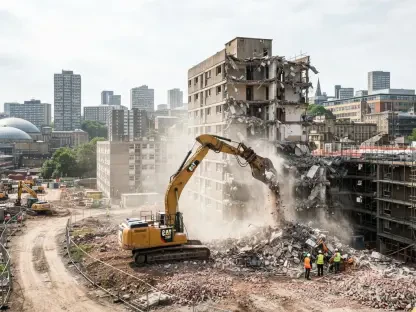

Construction industry executives are being forced to defend their safety records as the National Assembly prepares to finalize its list of witnesses for a high-stakes public inquiry. This annual audit, conducted by the Land, Infrastructure, and Transport Committee, arrives at a critical juncture

The transformation of the former Harrow Civic Centre marks a significant milestone in urban development, signaling a move away from static administrative structures toward a dynamic residential environment. This site, once a hub for bureaucratic procedures and local council meetings, is now the

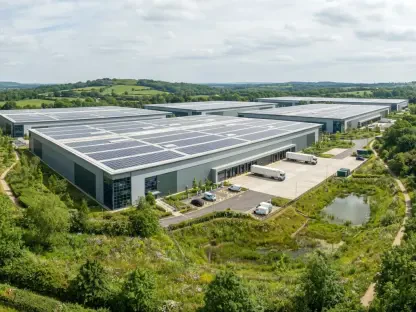
A New Benchmark for Integrated Residential Development in Somerset The completion of the Killams Park development in Somerset represents a significant shift in how residential expansion can align with ecological integrity and community welfare over a sustained period of growth. This project by
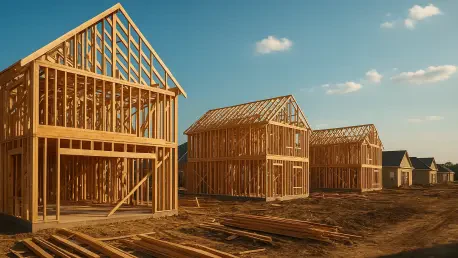
Modern housing policy must prioritize the physical attainability of modest homes over the complex manipulation of the national mortgage market. As 2026 unfolds, the United States continues to grapple with an affordability crisis that has fundamentally altered the path to middle-class stability for
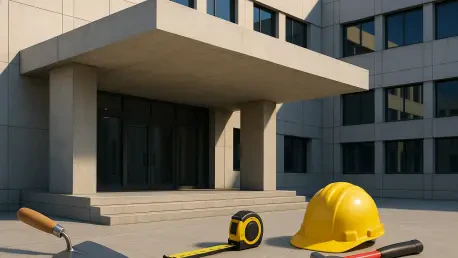
The Council for the Regulation of Engineering in Nigeria has exonerated the building materials, shifting the focus of the tragedy toward errors in construction methodology. When a portion of the Gombe State House of Assembly Complex gave way on July 24, 2026, it immediately raised alarms regarding

The systematic erosion of safety standards within subsidized residential developments has left thousands of Arizona's most vulnerable citizens exposed to hazardous living conditions despite billions in public investment. A rigorous audit recently conducted by Auditor General Lindsey Perry has