
The evolution of the urban landscape in Greater Manchester has reached a significant milestone as plans for a massive residential transformation in Stockport begin to take shape through the ambitious No.1 Knightsbridge project. This strategic expansion represents more than just a housing development; it is a calculated effort to redefine the community-centric living model within a rapidly changing regional environment. By repurposing the former site of a major retail store, Amstone is moving forward with a multi-phase masterplan designed to deliver 588 new homes in the heart of the town. The initial phase will prioritize the construction of 484 apartments across two modern buildings, with groundwork spearheaded by Keadys Construction set to commence in early 2027. This initiative marks a definitive shift for Stockport, transitioning from its historical identity as a traditional market town into a vibrant, independent, and creative hub that can compete with the most desirable neighborhoods in the region.
Cultivating Community Through Contemporary Residential Design
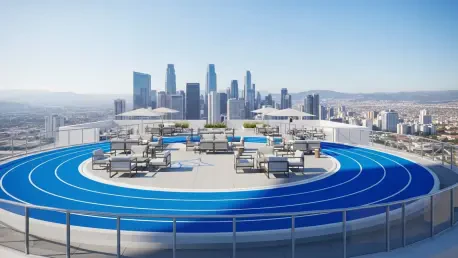
The project places a heavy emphasis on the Build to Rent (BTR) model, a strategy that caters to a demographic increasingly seeking flexibility and high-quality managed living spaces. By integrating a rooftop running track that offers panoramic views of the skyline alongside potential facilities for padel courts, the development acknowledges the growing demand for health-oriented and social amenities within the home environment. These features are not merely superficial additions but are designed to foster a sense of belonging and physical well-being among residents who prioritize an active lifestyle. Furthermore, the inclusion of Build to Sell options ensures a balanced residential mix, providing opportunities for long-term investment while maintaining the dynamic energy associated with rental communities. This hybrid approach allows for a broader appeal, attracting both young professionals and established families who want to be part of an authentic, local engagement movement that is reshaping the modern urban experience.
Integrating Natural Assets with Commercial Vitality
Establishing a seamless connection between residential life and the existing cultural identity of the town was a primary objective for the design team behind No.1 Knightsbridge. Rather than creating an isolated housing block that feels disconnected from its surroundings, the project serves as a pivotal link between major commercial and leisure districts such as Merseyway, Redrock, and the historic Market Hall. A cornerstone of this integration is the commitment to environmental restoration, specifically the creation of a new riverside walkway at the symbolic beginning of the River Mersey. This feature, complemented by accessible green public spaces, transforms a previously industrial or underutilized area into a scenic corridor for pedestrians and cyclists alike. By prioritizing public utility and environmental stewardship, the development ensures that the benefits of the project extend beyond the residents themselves, enhancing the general accessibility and aesthetic appeal of the riverfront for the entire community.
Strategic Regeneration and Economic Resilience
The long-term impact of this development on the regional economy was evident in the way it supported Stockport’s broader regeneration goals by increasing footfall for local independent businesses. By introducing hundreds of new households to the town center, the project provided a consistent customer base for the creative and retail sectors, helping to sustain the momentum of economic growth from 2026 to 2030. This influx of residents played a crucial role in retaining talent within the borough, offering high-quality housing that met the standards of a modern workforce. Authorities and developers recognized that thoughtfully designed urban environments were essential for social cohesion and financial stability. Consequently, the completion of this phase served as a blueprint for future infrastructure improvements, ensuring that high-density living remained compatible with community values. The focus then shifted toward expanding public transit links and diversifying the local job market to ensure that the newly established residential population continued to thrive within a robust and self-sustaining ecosystem.