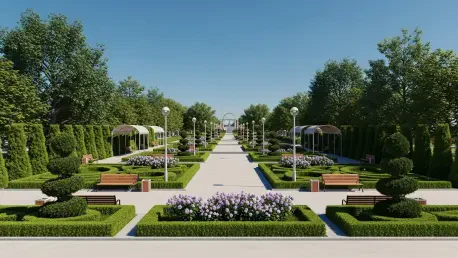

The realization of a premier theme park requires more than just mechanical engineering and character sketches; it demands a cohesive environmental aesthetic that transports visitors into a different reality. While many credit the visual identity of the mid-century American landscape to a handful of prominent male architects, the contributions of Ruth Patricia Shellhorn stand as a testament to the sophisticated integration of horticulture and urban planning. Shellhorn was instrumental in defining the regional character of Southern California, yet her specific influence on the original layout of the world’s most famous amusement park remained obscured for decades. Her ability to navigate the complex demands of high-traffic commercial spaces while maintaining an air of intimate, lush beauty allowed her to solve critical design challenges during the frantic construction period of the mid-1950s. By harmonizing disparate thematic lands through strategic plantings and pedestrian flow management, she ensured that the guest experience felt seamless and immersive.
The Architect of the Southern California Aesthetic
Before her involvement with large-scale entertainment venues, Shellhorn established herself as a pioneer of the “California look,” a style characterized by a seamless transition between indoor and outdoor living spaces. Her professional reputation was built upon a foundation of rigorous academic training and a keen eye for how people interact with their surroundings in a Mediterranean climate. Throughout the 1940s and early 1950s, she designed sprawling landscapes for Bullock’s department stores and various Fashion Square shopping centers, which served as blueprints for modern retail environments. These projects were not merely about aesthetics; they were functional masterpieces that directed foot traffic and created pleasant microclimates in the intensifying heat of the region. Her work during this era proved that commercial development could be both profitable and beautiful, setting a standard for the burgeoning suburban landscapes that would soon define the American West.
This mastery of regional design made Shellhorn an indispensable asset when the Walt Disney Family Museum sought to highlight the historical figures who defined the 1950s landscape. On June 17, 2026, a virtual event will provide a detailed examination of her career, led by Kelly Comras, a licensed landscape architect and an expert on Shellhorn’s enduring legacy. Comras, who has held leadership roles in the California Garden & Landscape History Society, utilizes her extensive research to illustrate how Shellhorn’s design philosophy transcended simple gardening. The upcoming webinar focuses on the intersection of modernism and nature, showcasing how Shellhorn utilized vibrant plant life and curated paths to foster the immersive atmospheres of fantasy and adventure. By analyzing her historical blueprints and site photographs, the program will reveal how Shellhorn’s meticulous attention to detail provided the vital organic framework that supported the park’s various narrative themes.
Strategic Integration of Nature and Theme
When Shellhorn was brought onto the original project, the site was a chaotic construction zone struggling to meet an impossibly tight deadline for its grand opening. Her primary challenge involved creating a sense of permanence and maturity in a landscape that had been orange groves only months prior. She achieved this by selecting mature specimens and layering textures to create depth, which prevented the park from looking like a flat, artificial movie set. In areas like Adventureland, she used dense, tropical foliage to obscure sightlines, making the relatively small physical space feel like a vast, unexplored jungle. Conversely, in Main Street, U.S.A., the plantings were disciplined and nostalgic, evoking a sense of turn-of-the-century Americana. This deliberate variation in botanical density and species selection allowed the landscape to act as a silent narrator, signaling to guests that they had transitioned from one world into another without the need for jarring signage.
Beyond the thematic elements, Shellhorn addressed the logistical realities of a mass-attendance venue by designing a circulation system that felt natural rather than forced. She understood that a successful landscape must accommodate thousands of people daily without sacrificing its visual integrity or causing bottlenecks. Her work involved the careful placement of planters, benches, and shade trees that served double duty as crowd-control barriers and rest areas. This dual-purpose design philosophy ensured that the park remained navigable even at peak capacity. Kelly Comras will emphasize these technical achievements during the 2026 session, drawing on insights from her book to explain how Shellhorn’s expertise in pedestrian flow at shopping centers translated perfectly to the theme park environment. This technical proficiency, combined with an artist’s touch for color and form, solidified Shellhorn’s role as a primary architect of the guest experience during the formative years of the industry.
Ensuring Accessibility and Continued Historical Recognition
The preservation of Shellhorn’s contributions is not merely an exercise in nostalgia but a vital part of documenting the evolution of professional landscape architecture. To ensure this history is accessible to the widest possible audience, the virtual event on June 17, 2026, includes comprehensive support for diverse participants, including American Sign Language interpretation. This commitment to inclusivity, facilitated through a partnership with Bay Area Communication Access, allows a broader demographic to engage with the scholarly analysis of Shellhorn’s work. Registration for the webinar follows a tiered schedule, granting priority to museum donors and members in mid-May before opening to the general public. This structured approach manages the high demand for historical insights while rewarding the community that supports the museum’s ongoing mission of historical preservation. The event serves as a platform for recognizing the often-overlooked women who built the infrastructure of modern leisure.
Ultimately, the legacy of Ruth Shellhorn provides a roadmap for contemporary designers who must balance environmental sustainability with high-density human use. Future projects in urban planning and commercial design should look toward her methods of using indigenous and climate-appropriate flora to create resilient, attractive spaces that stand the test of time. Professionals in the field can apply her principles by prioritizing the “human scale” in large developments, ensuring that even the most expansive projects feel accessible and inviting. As the industry moves forward, the focus must remain on the integration of natural elements that enhance the psychological well-being of visitors. By revisiting Shellhorn’s innovative techniques, today’s architects can find inspiration for creating landscapes that are not just functional backgrounds, but active participants in the storytelling process. This scholarly exploration encourages a deeper appreciation for the invisible hands that shaped our most cherished public spaces.