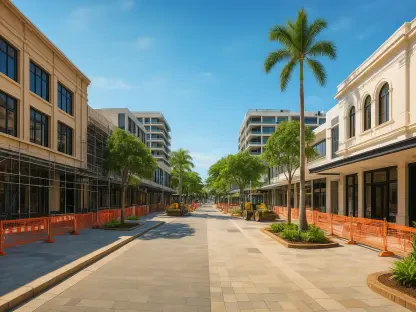

The sheer magnitude of urban expansion in Lagos has reached a critical juncture where the rapid construction of high-rise developments and industrial complexes must be matched by equally aggressive safety oversight. To address the inherent risks of such a dense environment, the Lagos State Safety Commission recently executed a massive regulatory sweep, conducting detailed inspections of over 2,800 facilities across the metropolitan area. This initiative focuses on identifying structural vulnerabilities and operational failures before they escalate into catastrophic events. By deploying specialized teams to monitor industrial plants, construction zones, and educational institutions, the state is actively working to dismantle the culture of negligence that has historically plagued the regional building sector. The scale of this operation reflects a fundamental shift in governance, moving away from reactive emergency management toward a model defined by rigorous prevention and technical accountability. As the commercial heartbeat of West Africa, Lagos cannot afford the economic and human costs associated with avoidable disasters, making these inspections a mandatory pillar of the city’s long-term developmental strategy and public safety framework.
Enforcement Strategies and Sectoral Oversight
This extensive regulatory offensive is not limited to a single industry but instead encompasses a diverse array of sectors that define the urban landscape. Industrial plants, which often handle hazardous materials or operate heavy machinery, were scrutinized for compliance with occupational health standards, while construction sites faced intense checks regarding the quality of materials and adherence to approved engineering designs. Public event centers and schools were also prioritized to ensure that high-occupancy venues possess adequate fire suppression systems and clear emergency evacuation routes. By sealing dozens of non-compliant properties during this process, authorities have sent a definitive message that structural integrity and environmental health are non-negotiable requirements for doing business. This systematic approach ensures that every facet of the city’s infrastructure, from residential skyscrapers in Ikoyi to manufacturing hubs in Ikeja, operates under a unified safety protocol that mitigates the risk of building collapses and lethal fire outbreaks.
The implementation of these measures has necessitated the use of advanced monitoring technology and a highly coordinated workforce capable of navigating the city’s complex geography. Inspectors are no longer relying solely on visual assessments; they are increasingly utilizing digital reporting tools and structural integrity sensors to verify that developers are following the exact specifications of their permits. For years, the city has struggled with the consequences of substandard concrete mixes and the unauthorized addition of floors to existing buildings, leading to several tragic failures. This enforcement drive serves as a direct intervention against such practices, forcing contractors to prioritize safety over profit margins. By integrating technical audits with real-time data collection, the commission is building a comprehensive database of the city’s physical assets, allowing for more targeted inspections in high-risk zones. This evolution in regulatory methodology is essential for maintaining the stability of the real estate market, as it provides investors with the assurance that new developments meet international safety benchmarks.
Cultivating a Culture of Preventive Safety
Beyond the immediate goal of closing hazardous sites, the commission is focused on instilling a permanent shift in how safety is perceived by the private sector. The current strategy emphasizes that preventive safety is not merely a bureaucratic hurdle but a vital component of business continuity and economic resilience. By mandating routine audits and professional safety training for employees, the state is encouraging organizations to internalize risk management as a core corporate value. This proactive stance helps to align local operational practices with global safety standards, which is particularly important for attracting foreign direct investment. When multinational companies evaluate potential locations, the reliability of local safety regulations and the enforcement of building codes are primary considerations. By demonstrating a commitment to rigorous oversight, Lagos is positioning itself as a secure environment for high-value industrial and commercial projects. This effort to professionalize safety management across all levels of industry is expected to reduce the frequency of workplace accidents and significantly lower the cost of insurance for compliant businesses.
The transition toward a safety-first culture also involves a significant increase in the severity of penalties for those who choose to bypass the law. In the past, minor fines were often seen as a cost of doing business, but the current regulatory environment has introduced much harsher consequences, including the permanent revocation of permits and the possibility of criminal prosecution for gross negligence. These measures are particularly focused on high-growth corridors where the speed of development often threatens to outpace the capacity of oversight institutions. To support this, the government is facilitating workshops and certification programs designed to educate site managers and foremen on the latest safety protocols and environmental regulations. This dual approach of strict enforcement and educational support ensures that there is no excuse for non-compliance. As stakeholders begin to realize that the state will no longer tolerate the cutting of corners, the industry is seeing a gradual but steady improvement in site management and worker protection, marking a new era of accountability in the Nigerian construction and manufacturing sectors.
Future Implications for Urban Stability
As the commission continues to monitor various districts, the long-term impact of these inspections will be measured by the city’s ability to sustain its growth without sacrificing human life. Moving forward, the focus must shift toward the integration of smart city technologies that can automate the monitoring of high-risk facilities and provide early warning signs of structural fatigue. Developers should proactively adopt Building Information Modeling (BIM) systems to ensure that safety features are embedded into the design phase of every project rather than being added as an afterthought. Furthermore, the insurance industry must play a more active role by offering lower premiums to facilities that consistently pass state inspections, creating a financial incentive for maintaining high safety standards. The state should also consider establishing a centralized digital portal where the safety status of public buildings is transparently listed, allowing citizens and tenants to make informed decisions about where they work, live, and shop. This level of transparency would create a market-driven demand for safety, further pressuring property owners to adhere to the strictest possible guidelines.
The success of this safety campaign ultimately depends on the continued collaboration between the government, private developers, and the general public. It is recommended that trade associations within the construction and manufacturing sectors establish internal peer-review committees to complement state oversight and foster a self-regulating environment. Additionally, the state should look into expanding the use of independent third-party inspectors to ensure that the volume of new construction projects does not overwhelm the commission’s internal resources. By diversifying the inspection workforce and utilizing remote sensing technology, the government can maintain a persistent presence even in the most rapidly developing outskirts of the city. These steps will ensure that the progress made during this massive 2,800-site sweep is not lost but instead serves as the foundation for a permanent and robust safety infrastructure. As Lagos evolves into a global megacity, the rigorous enforcement of these protocols was the only path to ensuring that its architectural and industrial ambitions remained anchored in the reality of public welfare and operational excellence.