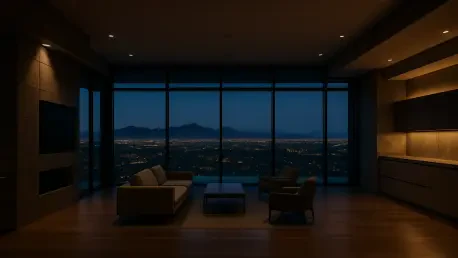

The skyline of the Valley of the Sun is undergoing a profound transformation as the historic office tower at Central Avenue and Camelback Road sheds its mid-century skin to emerge as a pinnacle of residential sophistication. This ambitious conversion represents more than just a renovation; it serves as a litmus test for the viability of adaptive reuse in a city traditionally known for sprawling horizontal growth rather than vertical density. By repurposing a structural skeleton that has defined the intersection for decades, the development team is addressing the growing demand for urban luxury while preserving the architectural heritage of the district. As high-income professionals and empty-nesters increasingly seek out walkable environments that do not sacrifice the privacy or scale of a traditional estate, this project offers a unique solution. The technical challenges of retrofitting an office floor plate have been met with innovative engineering solutions that prioritize expansive views.
Engineering a New Standard: Urban Sophistication
Adaptive Reuse: Breathing Life into Structural Steel
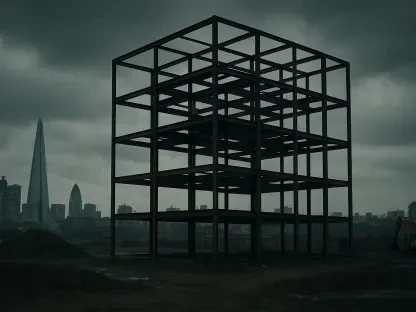
The technical evolution of the building demonstrates a masterful command of structural engineering, specifically in how the existing post-tensioned concrete and steel were reinforced to accommodate heavy residential loads and modern plumbing systems. Rather than demolishing a landmark, the developers opted for a sustainable path that reduced the carbon footprint associated with new construction while maintaining the building’s distinctive silhouette against the desert sky. Engineers meticulously mapped the original blueprints to integrate high-efficiency HVAC systems and sound-dampening materials that ensure a tranquil environment amidst the bustling intersection below. This process required a delicate balance between preserving the iconic aesthetic and installing a contemporary glass curtain wall that provides residents with unobstructed views of Piestewa Peak. The success of this conversion highlights the potential for other aging commercial hubs to be reimagined.
Interior Design: Curating the Ultimate Resident Experience
Interior design at this level necessitates a departure from standard luxury tropes, opting instead for a palette of natural stones, wide-plank hardwoods, and custom cabinetry that reflects the desert’s organic beauty. Each unit serves as a private sanctuary, featuring ceiling heights and spatial volumes that are rarely found in traditional high-rise developments, thanks to the generous proportions of the original office floors. Beyond the individual residences, the communal spaces have been designed to function as social hubs that rival the world’s most exclusive private clubs. A rooftop pool deck, complete with private cabanas and a fitness center, offers a panoramic perspective of the city that reinforces a sense of place and prestige. The integration of smart home technology allows residents to control lighting, climate, and security with precision, ensuring that the physical environment adapts to their lifestyle needs and preferences throughout the day.
Market Evolution: Strategic Influence on the Valley Real Estate Landscape
The successful completion and initial occupancy of the landmark tower established a clear directive for the next generation of urban developers and city officials. It was demonstrated that the marriage of historic preservation and modern luxury lived in the ability to adapt existing structures to meet evolving demographic needs. Stakeholders moved to prioritize the acquisition of similar mid-century assets that possessed the structural integrity required for residential conversion, thereby reducing the environmental impact of urban expansion. Planners initiated a review of zoning laws to streamline the approval process for mixed-use projects that integrated residential units with street-level commercial activities. This approach fostered a more resilient local economy and created vibrant neighborhoods that remained active throughout the day. Investors recognized the value of verticality and began allocating capital toward high-density projects that offered comprehensive lifestyle packages.