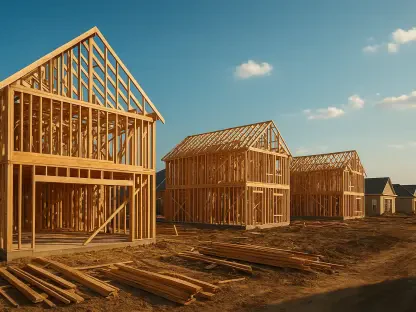

The urban landscape of Kamloops is undergoing a profound transformation as the city grapples with the pressures of a growing population and the shifting economic realities of modern British Columbia. By implementing a sophisticated blend of provincial oversight and municipal strategic planning, local authorities are introducing 165 new rental units designed specifically to accommodate the diverse requirements of seniors, families, and various income brackets. These initiatives reflect a broader commitment to ensuring that long-term residents are not displaced by rising costs but can instead find high-quality housing within their established neighborhoods. This strategy relies heavily on the concept of intergenerational living, where the integration of different age groups and financial backgrounds creates a more resilient and cohesive social fabric. As these developments take shape, the emphasis remains on providing stable, modern environments that serve as the foundation for the city’s continued growth and regional economic health.
The Confluence: Support for Growing Families
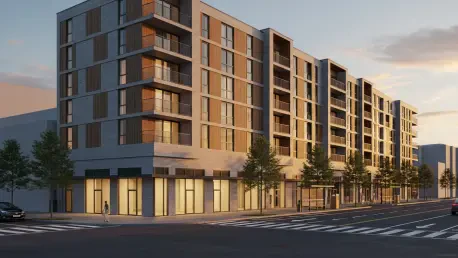
The Confluence stands as a pivotal component of the current housing strategy, offering 80 affordable units aimed squarely at low-to-moderate-income residents who have traditionally struggled to find adequate space. Located at 346 Campbell Avenue, this six-story structure prioritizes families by dedicating approximately 75% of its floor plan to two- and three-bedroom configurations, a move that directly addresses the historic shortage of larger rental units in the city. For years, the local market favored smaller studio or one-bedroom apartments, leaving families with few options other than expensive detached homes or overcrowded conditions. By pivoting toward these larger layouts, the project ensures that the North Shore remains a viable place for children to grow and for parents to build long-term stability. This architectural shift represents a conscious effort to rectify past imbalances in the housing supply while meeting current demographic demands.
Beyond its physical dimensions, the success of The Confluence is anchored by its operational framework under the guidance of the ASK Wellness Society. This partnership ensures that the building is not merely a collection of apartments but a managed community with professional oversight that promotes safety and social well-being for all tenants. The strategic placement of the development further enhances its utility, providing residents with immediate proximity to vital medical centers, public transit hubs, and the primary business district via the Overlander Bridge. As residents begin moving into the facility throughout 2026, the project is poised to breathe new life into the Tranquille Village area, transforming it into a high-density, walkable urban node. This integration of social services with high-quality residential infrastructure serves as a benchmark for how non-profit organizations can collaborate with the city to manage complex urban housing needs effectively.
Innovative Models: Solving the Middle Income Gap
Addressing the specific needs of the missing middle has become a priority for Kamloops, as many working professionals find themselves earning too much for subsidized housing yet too little for the private ownership market. The 85-home development at 377 Tranquille Road leverages the BC Builds program to bridge this gap, providing attainable rental options that are essential for retaining a local workforce. This project is notably operated by the Kamloops Community Land Trust Foundation, a non-profit entity that secures the underlying land to prevent it from being subject to the volatile fluctuations of the private real estate market. By removing land costs from the typical development equation, the foundation can ensure that rents remain affordable over the long term, regardless of external economic shifts. This model provides a sense of security for middle-income earners, such as teachers and healthcare workers, who are vital to the city’s daily operations.
This particular development also serves as a catalyst for the broader revitalization of the North Shore, specifically through its contribution to the Tranquille Market Corridor vision. By incorporating commercial spaces at the street level alongside residential units, the building fosters a mixed-use environment that integrates local commerce with daily living. This approach not only increases neighborhood density but also enhances the economic resilience of the area by supporting small businesses and encouraging foot traffic. The project’s success is built upon a foundation of collaborative financing, where provincial grants are combined with municipal land contributions and private equity for the commercial components. This public-private partnership model demonstrates how complex financial structures can be used to achieve social goals while also contributing to the aesthetic and functional improvement of a historic urban district, creating a more vibrant community.
Future Considerations: Sustaining Urban Evolution
The implementation of these housing projects signifies a shift toward a more proactive and data-driven approach to urban planning in the Thompson-Nicola region. By focusing on density and proximity to essential services, the city is effectively reducing the dependence on long commutes and promoting a more environmentally sustainable lifestyle for its residents. These developments are not isolated incidents but part of a coordinated effort to modernize the zoning and land-use policies that have historically limited housing diversity. Moving forward, the city must continue to evaluate the effectiveness of these land trust models and provincial partnerships to determine how they can be scaled or replicated in other neighborhoods. This involves a continuous dialogue between city officials, non-profit developers, and the public to ensure that future projects remain aligned with the evolving needs of a diverse population that includes both young professionals and seniors.
Looking back at the recent progress made in the housing sector, the city successfully established a framework that prioritized accessibility and social integration over mere volume. Local leaders and planners recognized that addressing the housing crisis required a departure from traditional development cycles, favoring instead innovative land-management strategies that protected the long-term interests of the community. The collaboration between the provincial government and municipal bodies proved essential in overcoming the financial barriers that previously hindered the construction of middle-income and family-sized units. By the time these projects were fully integrated into the urban fabric, the North Shore had transformed into a model of modern city living that balanced commercial vitality with residential stability. These efforts laid the groundwork for future urban resilience, ensuring that the city remained an inclusive environment where individuals from all walks of life could thrive and contribute.