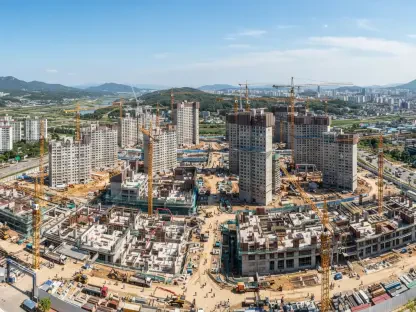

The rapid transformation of formerly vacant industrial land into a state-of-the-art logistics hub represents a significant shift in the regional economic landscape of Western Pennsylvania. As the Butler County Trade Center nears full operational capacity, local officials and business leaders are closely monitoring how this massive infrastructure project will influence the surrounding township and the broader county economy. Historically, regions that have successfully integrated large-scale trade centers have seen a surge in secondary service industries, ranging from hospitality to specialized maintenance firms. This project aims to leverage the strategic proximity of major interstate corridors, positioning Butler County as a vital link in the Appalachian supply chain. The scale of the facility suggests a long-term commitment to industrial modernization that could redefine the employment profile of the local community. This presence encourages all local firms to innovate now.
Economic Impact and Infrastructure Development
Logistics Hubs: Catalysts for Regional Expansion
Modern supply chain management requires more than just square footage; it demands sophisticated automation and seamless integration with existing transportation networks to remain competitive. The Butler County Trade Center utilizes high-density storage systems and automated sorting technologies that allow for a throughput capacity previously unseen in this part of the state. This technological investment attracts high-tier corporate tenants who require precision and speed in their fulfillment operations. Consequently, the local infrastructure has undergone significant upgrades, including reinforced roadway surfaces and expanded utility grids to support the intensive energy demands of a 24-hour operation. These physical improvements do not merely serve the trade center itself but provide a foundational benefit to neighboring businesses that can now tap into a more reliable utility network. Such developments often lead to a rise in property values and attract further commercial interest from diverse sectors.
Infrastructure Upgrades: Supporting Industrial Growth
Beyond the immediate physical footprint, the integration of such a facility necessitates a rethink of regional traffic flow and logistics coordination to prevent congestion. Strategic planning for the trade center included the implementation of smart signaling systems and dedicated freight lanes that minimize the impact of heavy-duty transport on local residential traffic. By coordinating with state transportation departments, the project developers ensured that the increased volume of heavy vehicles would not degrade the quality of life for residents or the integrity of local bridges. This proactive approach to infrastructure demonstrates how large-scale industrial projects can coexist with rural and suburban environments when long-term planning is prioritized. Moreover, the presence of a centralized trade hub reduces the overall carbon footprint of regional logistics by consolidating shipments and shortening the last-mile delivery routes. This efficiency is a primary driver for the sustained growth of the trade facility.
Workforce Evolution and Community Integration
Employment Opportunities: Bridging the Skills Gap
The introduction of a modern trade center typically triggers a significant shift in the local labor market, moving beyond traditional manual labor toward tech-driven roles. Workers at the Butler County Trade Center are expected to operate complex warehouse management software and maintain robotic systems, requiring a level of technical proficiency that necessitates new training programs. Local community colleges and vocational schools have already begun aligning their curricula with these needs, offering certifications in logistics technology and industrial automation. This alignment ensures that the local population is first in line for the high-paying jobs generated by the facility, rather than seeing those positions filled by commuters from outside the county. As the workforce becomes more specialized, the average household income in the area is projected to rise, creating a virtuous cycle of spending that benefits small businesses and service providers throughout the entire regional economy.
Long-term Prosperity: Sustaining Local Development
Strategic investments in the Butler County Trade Center eventually provided the necessary momentum to stabilize the local tax base and fund essential public services. The project successfully addressed the pressing need for economic diversification, ensuring that the region remained resilient against fluctuations in other industrial sectors. Municipal leaders utilized the increased revenue as they enhanced public parks and improved school facilities, directly translating industrial success into community well-being. Furthermore, the collaborative efforts between private developers and local government established a blueprint for future sustainable growth in similar rural-to-urban transition zones. By prioritizing both technological advancement and workforce development, the trade center did more than move goods; it moved the entire community toward a more prosperous and technologically integrated era. This transition allowed for a seamless shift into a modern economy where logistics and community stability remained linked.