
The rugged expanse of Northern Norway is witnessing a precarious economic shift that threatens the very backbone of its regional development and infrastructure maintenance. Small and medium-sized construction enterprises, which have long served as the primary drivers of growth in the Arctic districts, now find themselves caught in a tightening vice of global instability and local fiscal paralysis. While the Norwegian construction industry has historically prided itself on its ability to weather cyclical downturns, the current landscape is fundamentally different, characterized by a convergence of high debt loads, unprecedented energy costs, and a sudden drying up of public tenders. This volatility does not merely threaten individual business owners but endangers the logistical safety net of the entire region, as these firms provide the specialized equipment and local knowledge necessary to keep remote communities connected during the harsh winter months. Without a strategic pivot in how projects are funded and allocated, the structural integrity of the north’s industrial base could suffer irreparable damage.
The Economic Pincer Movement
Rising Operational Expenses: Fuel and Material Volatility
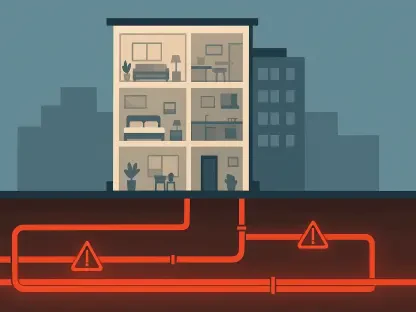
The specialized nature of civil engineering in the Arctic circle demands a level of energy consumption that is increasingly difficult to justify under current economic conditions. Heavy machinery, such as large-scale excavators and wheel loaders required for the dense northern terrain, typically consumes between 40 and 50 liters of diesel per hour of operation. With geopolitical tensions in the Middle East and shifting global supply chains keeping fuel prices at record highs throughout 2026, the operational overhead for small contractors has reached a breaking point. These firms do not have the hedging capabilities of multinational corporations, meaning every cent of increase at the pump is a direct hit to their bottom line. The situation is further complicated by the rising costs of essential materials, specifically high-grade piping for water and sewage systems. Because these components are often manufactured using energy-intensive processes, their market price fluctuates wildly in response to the same energy crises that drive up fuel costs. For a small firm in Fauske or Alta, these compounding expenses create a financial environment where the cost of showing up to the job site can sometimes exceed the revenue generated by the project itself.
Beyond the immediate costs of fuel and materials, the broader financial climate has become increasingly hostile to the high-capital nature of construction work. The industry relies heavily on financing for equipment fleets, but the sustained period of high interest rates has significantly increased the cost of debt service for firms that must constantly update their machinery to remain competitive. Many local contractors find themselves in a precarious “high-debt” environment where they are effectively punished for maintaining the very assets required to perform their duties. This financial strain is not limited to equipment alone; it extends to the procurement of spare parts and specialized maintenance services, which have also seen significant price hikes due to supply chain disruptions. The result is a systemic erosion of liquidity that leaves small businesses with no financial cushion to absorb unexpected delays or project changes. When the profit margins are slim to non-existent, even a minor logistical hurdle can lead to a total cessation of operations, creating a domino effect of unpaid vendors and stalled infrastructure projects across the northern counties.
Market Stagnation: The Silence of the Public Tender
The revenue crisis facing northern contractors is primarily driven by a dramatic slowdown in public sector spending, as municipalities across Nordland, Troms, and Finnmark grapple with crippling debt levels. Local governments, which historically provided a steady stream of road maintenance, water system upgrades, and school construction projects, have been forced to implement drastic austerity measures. Consequently, the “tender market,” which serves as the lifeblood for regional SMEs, has largely gone silent, with critical infrastructure maintenance being postponed indefinitely to cover immediate administrative costs. This drought of work has fundamentally altered the competitive landscape, as the lack of new projects forces firms of all sizes to fight over a shrinking pool of opportunities. In many cases, projects that were once deemed essential for public safety and health have been shelved, leaving aging water mains and crumbling county roads to deteriorate further, which only guarantees much higher repair costs in the near future when the systems inevitably fail.
This lack of public investment has also disrupted the traditional hierarchy of the construction industry, where large national players would typically collaborate with local subcontractors to execute regional components of major projects. Under current conditions, even the largest contracting firms are facing a scarcity of work and are increasingly forced to keep all tasks in-house to maintain their own permanent staff and fulfill union obligations. This shift has eliminated the “trickle-down” economy that once sustained smaller firms in the districts, leaving them with no path to secure even minor earth-moving or paving contracts. When major national infrastructure projects do arise, they are often so large and complex that local SMEs lack the administrative capacity to bid on them independently, yet they are no longer being sought out as partners by the larger conglomerates. This exclusion from the market creates a vacuum where local expertise is lost, and the small firms that once formed the economic heart of northern towns are left with no choice but to downsize or declare bankruptcy.
Regulatory and Administrative Hurdles
Environmental Requirements: The Cost of Green Transition
Government mandates aimed at achieving zero-emission construction sites are creating significant logistical and financial barriers for firms operating in the extreme conditions of Northern Norway. While the push for electric excavators and battery-powered machinery may be technically feasible in the temperate, densely populated urban centers of the south, the northern environment presents unique challenges that current technology struggles to overcome. Electric machines are not only significantly more expensive to purchase than their diesel counterparts, but their efficiency is severely hampered by the freezing temperatures and mountainous terrain of the Arctic. In many remote locations, the charging infrastructure required to power a fleet of heavy electric vehicles is non-existent, meaning that a forced transition to battery power would require contractors to invest in mobile charging units or stationary generators, further driving up the cost and complexity of every project. This regulatory pressure often feels disconnected from the physical reality of the north, where reliability and endurance are the most critical factors for any piece of equipment.
Furthermore, the operational limitations of current zero-emission technology often require a larger number of machines to complete the same amount of work, as battery life is significantly shortened in cold climates. Contractors have argued that a more pragmatic middle ground would involve the transition to the latest generation of clean diesel technology, which offers significant emission reductions without the massive capital expenditure and infrastructure requirements of full electrification. However, the current trend in public tenders is to award significant points for zero-emission solutions, effectively disqualifying small local firms that cannot afford the multimillion-dollar investment in unproven electric fleets. This creates an uneven playing field where only the wealthiest firms can participate in the green transition, while regional contractors are left to compete for a dwindling number of “brown” projects that are increasingly stigmatized by policymakers. The result is a regulatory environment that prioritizes national environmental targets at the expense of the regional economic stability and the practical needs of the northern construction sector.
Administrative Burdens: Wealth Taxes and Labor Costs
Administrative policies and tax structures in Norway are inadvertently penalizing the very firms that are essential for regional preparedness and emergency response. One of the most contentious issues is the application of the wealth tax to the materials and equipment that contractors maintain specifically for emergency situations, such as stockpiles of road salt, fuel, and standby machinery for clearing landslides or snow. Industry leaders describe this as a “tax on preparedness,” as it creates a financial disincentive for companies to hold the assets necessary to protect their communities during crises. For a contractor in a remote part of Finnmark, having a fleet of snowplows and a reserve of diesel is a public service, yet the current tax system treats these essential tools as taxable wealth. This policy forces many firms to minimize their inventories and sell off older equipment that could have served as a vital backup during severe weather events, thereby reducing the overall resilience of the region’s infrastructure network.
Compounding these tax issues are new proposals that seek to shift more of the financial burden for long-term sick pay from the state directly onto the employers. The construction industry in Northern Norway has traditionally been a major employer for individuals with unconventional backgrounds, including those with gaps in their resumes or previous health challenges. By increasing the financial risk associated with hiring, these new labor policies may force companies to adopt more conservative and risk-averse hiring practices, potentially excluding vulnerable workers from the labor market. For a small business owner, the threat of being held responsible for months of sick pay for a single employee is a risk that could easily lead to insolvency. This creates a tension between the industry’s role as a social stabilizer and the government’s fiscal goals, as the increased administrative burden makes it harder for SMEs to provide the stable, local employment that is vital for preventing depopulation in the northern districts.
The Societal Cost of Industry Collapse
Critical Infrastructure: The Stakes of Regional Security
The potential collapse of small and medium-sized construction firms in Northern Norway represents a direct threat to the concept of “total preparedness” that is central to the nation’s security strategy. In the vast and sparsely populated stretches of the Arctic, local contractors are not just business entities; they are the primary first responders when infrastructure fails. Whether it is a bridge washout during a spring flood or a massive landslide blocking a critical coastal road, these firms possess the specialized equipment and intimate knowledge of the terrain required to restore connectivity quickly. Unlike state-run agencies that may have centralized equipment hubs hundreds of miles away, local contractors are embedded in their communities and can mobilize within minutes. If these firms are forced out of business, the geographic distance between remaining service providers will increase significantly, leading to dangerously long response times during emergencies where every hour of isolation can have serious consequences for public health and safety.
Furthermore, the loss of these firms would mean the disappearance of a specialized workforce that understands the unique geological and climatic challenges of building in the North. This regional expertise is not easily replaced by national firms that primarily operate in the south and lack the generational knowledge of how local soils and weather patterns affect road foundations and utility lines. The maintenance of the north’s infrastructure is a continuous battle against the elements, and the local SMEs are the ones who have historically won that battle. Without them, the state would be forced to rely on much more expensive, centralized solutions that are often less effective and slower to respond. The disappearance of the “district contractor” would effectively hollow out the logistical defenses of the northern counties, leaving remote towns more vulnerable to the effects of climate change and environmental volatility at a time when the strategic importance of the Arctic is higher than ever before.
Community Vitality: Beyond the Construction Site
Small construction firms are deeply woven into the social fabric of northern communities, providing support that extends far beyond the construction site. These businesses are often the largest private employers in their respective towns, offering stable, well-paying jobs that allow young people to remain in their home districts rather than migrating to the larger cities. Beyond providing employment, these firms act as the primary financial supporters of local life, sponsoring youth sports teams, cultural festivals, and community associations that would otherwise struggle to find funding. In many small towns, the local construction company is the first place a school or a sports club goes when they need help with a project or a donation for a tournament. The loss of these companies would result in a vacuum of local leadership and corporate citizenship that the public sector is simply not equipped to fill, leading to a visible decline in the quality of life for residents across the region.
The presence of a healthy SME sector also provides essential services to municipalities that may not have the budget for large-scale contracts. Local firms often perform “odd jobs” and minor repairs on an as-needed basis, providing a level of flexibility that large national corporations cannot match. This informal partnership between local government and local business keeps the gears of the community turning, ensuring that minor issues like a broken culvert or a damaged retaining wall are addressed before they become major, expensive problems. When these businesses fail, the community loses not just a tax-paying entity, but a vital partner in the day-to-day management of the local environment. The social cohesion of the northern districts depends on the economic viability of these firms, and their survival is inextricably linked to the continued habitability of the most remote parts of the country.
Strategic Pathways to Recovery
Fiscal Interventions: Earmarking State Funds
To stabilize the construction sector and preserve the northern infrastructure, the central government must move beyond generic economic stimulus and implement targeted fiscal interventions. One of the most effective solutions would be the direct earmarking of state funds for municipal water, sewerage, and road maintenance projects. Currently, the “cost recovery” model, which requires local residents to pay for infrastructure upgrades through increased fees, has reached its limit in many northern towns where the population is aging and the tax base is shrinking. Over-leveraged municipalities cannot afford to initiate the massive maintenance projects that are required to address the aging infrastructure backlog, leading to the current stagnation in the tender market. By providing direct state grants specifically for these utilities, the government could bypass municipal debt constraints and trigger an immediate influx of work for regional contractors, ensuring that essential public health systems are modernized while simultaneously saving the local business community.
This approach would also provide a more equitable distribution of infrastructure spending, which is currently heavily weighted toward major highway projects that only benefit the largest contractors. Small-scale utility work and county road repairs are the perfect size for local SMEs, allowing them to utilize their existing equipment and staff without the need for massive new capital investments. Furthermore, state-funded projects could include clauses that encourage or require the use of local subcontractors, ensuring that the economic benefits of public spending remain within the region. This type of strategic funding would not only address the immediate crisis facing the construction industry but would also result in a significant improvement in the quality of life for northern residents by resolving long-standing issues with water quality and road safety. Direct investment in the foundational infrastructure of the north is a prerequisite for any long-term regional development strategy.
Large-Scale Planning: Freeing Up Local Capacity
Strategic coordination of national infrastructure projects is another vital tool for ensuring the survival of the regional construction market. Major logistics projects, such as the proposed expansion of the Ofoten Line into Narvik or the construction of new regional airports, are essential for the national economy and require the capacity of Norway’s largest civil engineering firms. By accelerating the tender process for these high-complexity, large-scale projects, the government can effectively occupy the full capacity of firms like LNS and other national giants. When these “big players” are fully engaged in specialized, multi-year national projects, they are less likely to compete for the smaller, more traditional groundworks and road maintenance contracts that form the core business of regional SMEs. This creates a natural market segmentation that allows firms of all sizes to thrive by focusing on the types of projects that best match their scale and expertise.
Furthermore, the government should adopt a more pragmatic approach to environmental regulations in the North, acknowledging that the path to zero emissions will look different in the Arctic than it does in the Oslo Fjord. Providing subsidies for the adoption of high-efficiency, clean diesel machinery and investing in regional hydrogen or electric charging hubs before mandating their use would allow small firms to transition at a pace that is financially sustainable. Instead of using environmental criteria as a barrier to entry, the procurement process should reward firms that show a commitment to gradual improvement and local resilience. By combining tax relief on preparedness materials with a more flexible regulatory framework and a robust pipeline of diverse projects, the state can ensure that the northern construction industry remains a viable and vital part of the Norwegian economy.
The challenges described throughout this analysis were addressed through a combination of targeted regional support and a fundamental shift in national procurement strategies. The resolution of the northern infrastructure crisis required a departure from traditional fiscal policies and a renewed focus on regional self-sufficiency. Policy makers eventually recognized that the preservation of small and medium-sized enterprises was not merely an economic goal but a cornerstone of national security. By implementing direct state funding for municipal utilities and providing tax relief for emergency preparedness, the government stabilized the district-based contractors and ensured the continued maintenance of the region’s vital transport links. This strategic intervention prevented the widespread bankruptcy of local firms and maintained the social fabric of the northern districts, ultimately proving that regional stability and national progress are inextricably linked. The lessons learned during this period of volatility served as a roadmap for sustainable development in other remote regions, emphasizing the importance of local expertise in the face of global economic pressures.