
The construction industry currently navigates a tumultuous economic landscape as recent data reveals an unprecedented six point two percent year to date surge in material input prices. This sudden escalation represents a formidable economic headwind that threatens to derail various recovery efforts across the nation. Reports from leading trade organizations paint a sobering picture of a sector grappling with intense inflation that has caught many industry veterans off guard, fundamentally altering the financial viability of many planned projects. This analysis explores the specific drivers behind these price hikes, the resulting disconnect between project bids and reality, and the broader macroeconomic implications that could stifle growth for years to come.
Recent monthly figures indicate that the situation is accelerating rather than stabilizing. With a one point seven percent increase in April alone, the velocity of inflation suggests that previous budgeting strategies are no longer sufficient to protect profit margins. This volatility is not merely a localized issue but a systemic challenge affecting everything from small residential developments to massive federal infrastructure initiatives. As costs continue to climb, the industry must prepare for a period of sustained uncertainty where the ability to manage overhead becomes the primary determinant of success.
Historical Context: A Drastic Departure from Previous Stability
To understand the gravity of the current situation, one must look at the relatively moderate price environment that characterized the middle of the decade. Between 2023 and 2025, the construction sector experienced a cumulative material cost growth of approximately four point eight percent, which was a manageable figure for long term planning and investment. However, the first four months of the current year have seen price growth that eclipses those three years combined. This sudden shift from steady, predictable increases to a volatile monthly spike indicates a structural break in the global supply chain.
This departure from the norm has left many developers struggling to recalibrate their financial models. While the previous years allowed for a certain level of confidence in multi-year project cycles, the current trend line suggests that the era of low-cost inputs has ended. Understanding this historical shift is vital for contractors who must now navigate an environment where past pricing models are no longer applicable. The speed of the transition has created a sense of urgency, forcing firms to re-evaluate their exposure to price fluctuations on a weekly basis rather than a quarterly one.
Deconstructing the Primary Drivers of Material Inflation
The Energy Crisis: Fuel and Asphalt Price Shocks
Energy-related inputs have emerged as the primary culprits behind the recent spike in construction overhead. In April, crude petroleum prices rose by eleven point three percent, while diesel fuel jumped thirteen point six percent, leaving it a staggering seventy-four percent higher than levels seen in the previous year. The most dramatic outlier, however, is the price of asphalt, which skyrocketed by forty-one percent in just thirty days. These energy costs act as a “double hit” to the industry, increasing both the cost of raw materials and the logistics required to transport them to job sites.
Metals and Supply Chain Hardships: The Burden of Tariffs
Beyond energy, the metals market continues to experience significant turbulence that complicates procurement strategies. Iron and steel prices have seen substantial hikes, driven in large part by ongoing trade tariffs and global supply chain disruptions that limit the availability of high-grade materials. These costs are particularly impactful for nonresidential construction, which has faced a seven point four percent year-over-year increase, outpacing the general industry average. The combination of trade policy and high demand for specialized components has created a bottleneck effect where availability is low and procurement costs are at record highs.
Structural Challenges: Bridging the Gap Between Bids and Reality
A pressing issue identified by industry experts is the widening gap between actual material costs and the bid prices submitted by contractors to their clients. This discrepancy creates a high-risk environment where a contractor might sign a fixed-price contract, only to see their profit margins evaporate due to monthly price fluctuations. When the cost of steel or asphalt moves faster than the bureaucratic process of project approval, the result is often a wave of expensive redesigns, significant delays, or the outright cancellation of work as projects become no longer bankable.
Macroeconomic Consequences and the Interest Rate Landscape
The broader economic outlook offers little immediate relief for the construction sector as inflation remains stubbornly high. Persistently “too-hot” inflation data, combined with a strong labor market, has effectively removed the possibility of interest rate cuts by the Federal Reserve for the remainder of the year. For construction firms, this creates a pincer movement where they are squeezed by the rising cost of materials on one side and the high cost of borrowing on the other. This dual pressure makes capital-intensive projects far more difficult to justify to investors.
While many contractors currently report full backlogs, the sustained pressure of these overhead costs is expected to deplete industry momentum eventually. As the year progresses, the high cost of financing will likely lead to a sharp contraction in new project starts. Firms that were counting on a pivot toward lower interest rates to sustain their growth must now find ways to thrive in a high-interest, high-cost environment. This landscape favors large organizations with deep pockets, while smaller firms may find themselves increasingly marginalized by the lack of affordable credit.
Strategic Mitigation: How Contractors Can Weather the Storm
In this volatile climate, industry professionals must adopt new best practices to safeguard their businesses from financial ruin. Actionable strategies include the implementation of price escalation clauses in all new contracts, allowing for adjustments based on third-party price indices to ensure that the client shares some of the inflationary risk. Furthermore, diversifying supply chains and engaging in the pre-buying of materials for future phases of a project can help lock in current rates before further increases occur.
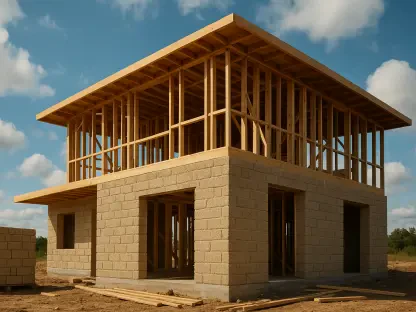
For consumers and developers, the primary recommendation is to prioritize flexibility and maintain higher-than-usual contingency funds. Relying on traditional five percent buffers is no longer sufficient when asphalt prices can shift by forty percent in a single month. Firms should also look toward more efficient construction methods, such as modular building or advanced prefabrication, to reduce on-site waste and labor time. By shortening the duration of the build cycle, companies can reduce the window of time in which they are vulnerable to price surges.
Conclusion: Adapting to a High-Risk Construction Environment
The construction landscape of the current year was defined by a level of volatility that demanded a total reassessment of risk management. The six point two percent year to date surge in material costs, fueled by energy spikes and metal tariffs, created a structural threat that could not be ignored. As the gap between bid prices and actual expenses continued to widen, the industry moved toward more transparent, flexible contracting and rigorous financial planning. Staying informed and agile served as the only way for firms to remain competitive as they navigated this challenging phase of the economic cycle.
The focus shifted toward long-term sustainability rather than short-term gains, leading to a new standard in project management. Stakeholders recognized that transparency regarding cost fluctuations was essential for maintaining trust between contractors and developers. Future considerations included the integration of real-time market tracking software and the adoption of alternative materials that were less susceptible to global energy shocks. By embracing these innovative approaches, the industry ensured its ability to deliver essential infrastructure despite the mounting financial pressures of an inflationary era.