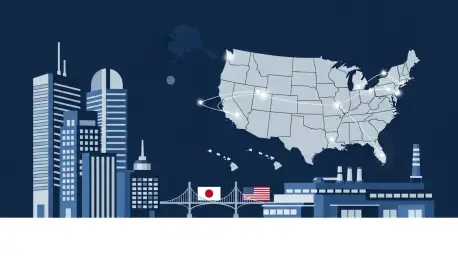

The landscape of international industrial construction is undergoing a profound transformation as global stakeholders seek more resilient and vertically integrated project delivery methods to combat supply chain volatility. The collaboration between Fujita Corporation, a major Japanese construction entity, and ARCO Design/Build represents a pivotal moment in this shift, signaling a sophisticated approach to cross-border development. By combining the precision-focused engineering tradition of Japan with the agile, risk-mitigating design-build model prevalent in the United States, this alliance aims to provide a seamless transition for international firms entering the American market. This strategic move is particularly relevant as manufacturing interests continue to repatriate or diversify their operational bases closer to North American consumers. The partnership facilitates a comprehensive lifecycle for large-scale projects, ensuring that architectural integrity and fiscal responsibility are maintained from the initial groundbreaking to the final occupancy phase.
Strategic Alignment: The Global Design-Build Shift
Collaborative Frameworks: Merging Cultural and Technical Expertise
This collaborative effort draws on the specialized strengths of both organizations to address the unique challenges of modern large-scale facility development. Fujita brings a deep understanding of the requirements of Japanese manufacturers, many of whom have expressed a growing desire to establish or expand their footprints within the United States. Conversely, ARCO provides the local regulatory knowledge, established subcontractor networks, and the rapid execution capabilities that have defined the American design-build sector over the recent years. Together, they create a bridge that minimizes the cultural and administrative friction often associated with international expansion. The integration of these two distinct corporate philosophies allows for a more cohesive planning process, where long-term durability is balanced with the need for speed to market. This model effectively reduces the layers of communication typical in traditional bid-build contracts, resulting in higher transparency and better cost control for investors throughout the construction timeline.
Market Penetration: Targeting High-Growth Industrial Corridors
The geographic focus of this partnership centers on high-growth regions where industrial and logistics activities are intensifying due to shifts in global trade routes. Markets such as the Southeast and the industrial heartland are seeing record levels of investment in semiconductor manufacturing, battery production, and automotive assembly plants. The alliance is strategically positioned to capture a significant share of this demand by offering a turnkey solution that caters specifically to the complex technical specifications required by these high-tech industries. By establishing a robust presence in these corridors, the joint venture can leverage local labor markets while maintaining the high standards of quality control expected by international stakeholders. This localized approach not only supports domestic job creation but also ensures that the facilities are built to withstand regional environmental challenges. The ability to navigate varied zoning laws across different states becomes a significant competitive advantage when executing multi-site expansion programs.
Operational Excellence: Integrating Innovation and Resilience
Advanced Methodologies: Implementing Smart Construction Technologies
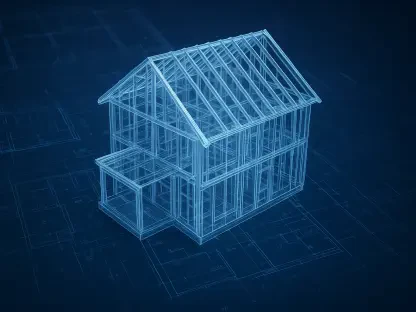
Technology plays a central role in this expansion, with both firms investing heavily in Building Information Modeling and advanced project management software to streamline operations. The use of digital twins and real-time data analytics allows the teams to simulate various construction scenarios before the physical work begins, thereby identifying potential bottlenecks early in the design phase. This proactive problem-solving is essential when dealing with the intricate MEP systems and specialized cleanroom environments often found in contemporary industrial facilities. Furthermore, the partnership facilitates the exchange of innovative building materials and sustainable construction practices that have been pioneered in Japan. Incorporating these elements into American projects helps developers meet increasingly stringent environmental criteria while improving the long-term operational efficiency of the buildings. The focus on smart construction also extends to the job site, where automated equipment and drone-based monitoring are being utilized to enhance safety protocols.
Economic Resilience: Diversifying the Domestic Supply Chain
The strategic collaboration established a new benchmark for how international construction entities approached market entry and project execution within the United States. Stakeholders who recognized the value of this integrated model positioned themselves to benefit from a more predictable and high-quality development cycle. It became evident that developers and industrial leaders prioritized partnerships offering both global engineering perspectives and localized execution expertise to mitigate the inherent risks of large-scale capital projects. It was essential for firms to adopt the standardized digital workflows and transparent communication protocols that this alliance championed to ensure long-term facility performance. Companies seeking to expand their domestic manufacturing capabilities found that investing in such integrated design-build solutions reduced the time to achieve full operational capacity. Ultimately, the industry moved toward a more holistic view of the construction process, shifting from simple square footage to creating high-performing industrial ecosystems.