
The luxury hotel lobby glows with automated lighting and the HVAC hums at a perfect seventy-two degrees, yet behind the scenes, the property’s monthly utility statement reveals a staggering discrepancy that the sophisticated Building Management System failed to predict or prevent. Most hotel

The global construction sector continues to grapple with a volatile financial ecosystem where the ripple effect of chronic payment delays results in billions of dollars of lost revenue annually for contractors and subcontractors alike. This systemic instability has forced a dramatic shift in how

The sudden influx of autonomous building systems and generative diagnostics has left the facility management sector grappling with a profound paradox: buildings are getting smarter, but the workforce tasked with maintaining them is often left without the necessary digital blueprints. Modern

The skyline of any major metropolis today serves as a testament to the staggering complexity that defines modern civil engineering projects, where technical specifications and environmental volatility collide. Managing these massive undertakings requires a delicate balance of stakeholder
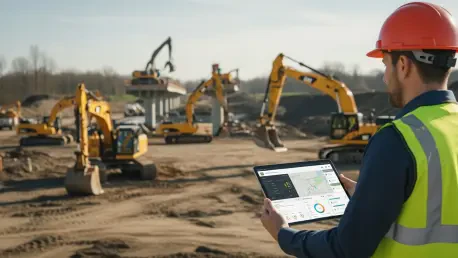
Heavy civil construction projects have reached a level of complexity where traditiona ladministrative workflows can no longer keep pace with the frantic reality of daily job site operations. Historically, software implementation in this sector was a top-down affair, typically initiated by

The traditional reliance on pre-construction energy models has finally met its match in the rigorous, data-driven reality of modern building performance standards that prioritize actual utility bills over theoretical projections. For many years, the real estate industry operated under the