Restoring the Pentagon required stripping the structure down to its base components to replace infrastructure while maintaining the operational capabilities of the world's largest office building. Originally conceived in 1999 as a long-term modernization effort to update the facility for the first
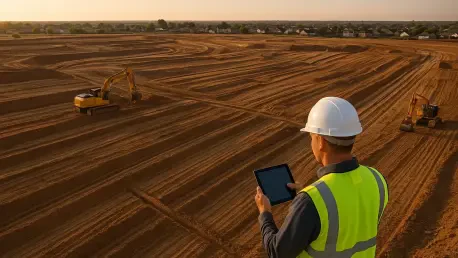
Construction sites often bustle with heavy machinery, yet without precise data, it is difficult to determine if that activity translates into actual progress. The residential construction industry is currently undergoing a fundamental paradigm shift as builders transition their focus from vertical

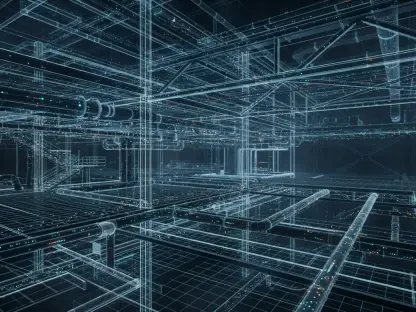
The transition from 2D fragmented drawings to data-rich digital objects represents a mandatory ladder that firms must climb before they can utilize generative design or autonomous monitoring. The construction industry has long been characterized by a disjointed approach to technological adoption,
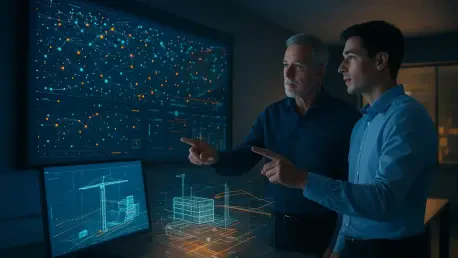
The Engineering, Procurement, and Construction sector has moved definitively past the experimental phase of digital adoption into a period of rigorous, high-stakes execution. As capital projects grow in complexity and technical demands become more stringent, the industry has embraced connected

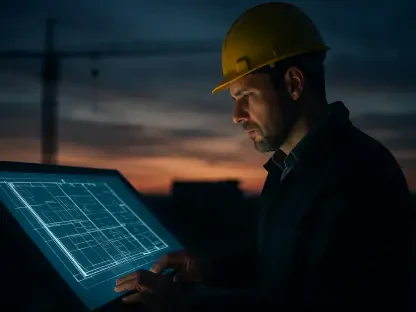
The integration of advanced models like ChatGPT and Claude into the STACK platform allows for the automation of repetitive project workflows. Construction professionals have long faced the burden of manual data entry and complex blueprint analysis, but the arrival of STACK IQ represents a
While construction firms maintain strict control over material costs and project schedules, many remain unaware that unverified time records represent a catastrophic legal vulnerability. This oversight often stems from the traditional view that timesheets are merely administrative tools meant to