
In the chaotic aftermath of natural disasters, the Florida Department of Agriculture and Consumer Services warns that bad-faith actors often vanish after collecting substantial deposits from vulnerable residents. This grim reality has become a recurring nightmare for thousands of Floridians who, while still reeling from the physical and psychological impact of a hurricane, find themselves embroiled in a secondary disaster of financial exploitation. As the 2026 storm season brings renewed focus to property resilience, the necessity for a more secure and transparent recovery ecosystem has never been more urgent. St. Petersburg-based technology firm Indigo has emerged as a pivotal solution in this landscape, offering a sophisticated platform designed to shield homeowners from the predatory tactics that have long plagued the residential restoration industry. By digitizing the recovery process, the platform replaces the high-pressure, manual interactions of the past with a structured environment that prioritizes accountability and security for every participant. This approach ensures that the path to normalcy is paved with verified data rather than empty promises.
Addressing the Epidemic of Post-Storm Fraud
Identifying Systemic Vulnerabilities: The Recovery Crisis
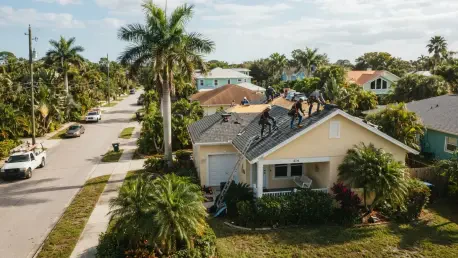
The immediate period following a major weather event is characterized by a frantic search for resources, a situation that “storm chasers” exploit with clinical precision. These unlicensed or unscrupulous entities often flood affected neighborhoods, promising quick fixes and immediate relief to homeowners desperate to stop further damage from leaks or structural failures. Without a centralized verification system, residents frequently fall victim to high-pressure sales tactics that demand significant upfront payments before any work begins. These bad-faith actors leverage the emotional vulnerability of the situation, often presenting vague contracts that lack specific timelines or itemized costs. Once the deposit is secured, many of these individuals move on to the next disaster zone, leaving the property owner with a lighter bank account and a home that remains in a state of dangerous disrepair. This cycle of exploitation has historically been difficult to break because of the lack of real-time monitoring and oversight. Indigo addresses this by introducing a digital “property claim” feature, which effectively locks the property’s digital identity within their system.
This systemic disparity creates a “lowest bid” trap, where the cheapest estimate often masks a lack of proper licensing, insurance, or skill. Unlike commercial construction, which follows strict schedules and budgets, home renovations often lack formal oversight. This makes it difficult for homeowners to vet the influx of contractors who arrive after a storm. By applying commercial-grade risk management to the residential sector, Indigo helps users avoid these pitfalls and focuses on long-term reliability rather than just the immediate price tag. The platform provides homeowners with risk-management tools that allow them to identify potential “snags” or pitfalls early in the project lifecycle. This professionalization of the repair process ensures that every step is documented and every payment is justified. Furthermore, it prevents unauthorized parties from fraudulently representing themselves as the owners or managers of a specific structure. By establishing a single source of truth for the property’s status, the platform makes it significantly harder for fraudulent entities to insert themselves into the recovery process, thereby protecting the integrity of the entire neighborhood.
Professionalizing Repairs: Risk Management and Vetting
The introduction of the RiskFeed software marks a significant shift in how residential restoration is executed, moving away from reactive measures toward proactive risk mitigation. This technology functions as the central intelligence of the platform, providing homeowners with a clear roadmap of potential complications before they escalate into costly delays. By utilizing commercial-grade risk management algorithms, the software analyzes project variables to ensure that schedules remain realistic and budgets are strictly adhered to. This level of oversight is particularly vital in current infrastructure cycles where labor shortages and material costs can fluctuate wildly. The platform empowers the individual homeowner to operate with the same level of authority as a professional site manager, providing them with the data necessary to challenge discrepancies and demand high-quality workmanship. This data-driven approach ensures that every phase of the restoration is documented and verified, reducing the likelihood of disputes between parties. Moreover, it creates a transparent log of all project activities, which can be invaluable for future insurance claims.
A cornerstone of this professionalization is the strategic vetting of the “Indigo Partner Contractors,” a curated network of professionals who have demonstrated a commitment to ethical business practices. These contractors are not merely listed; they are rigorously screened based on their specific trade expertise, geographic location, and historical performance. To further distinguish these elite professionals from transient storm chasers, the platform utilizes the “Indigo Badge” system. This badge serves as a verifiable market signal for reliability and quality, helping homeowners make informed decisions that are not solely based on the lowest price. For the contractors themselves, the badge provides a competitive edge, allowing reputable local businesses to bypass the noise of the post-storm market and connect with well-defined, legitimate projects. This ecosystem incentivizes excellence, as maintaining the badge requires a consistent track record of meeting the platform’s high standards for communication, transparency, and technical proficiency. By fostering a culture of accountability, Indigo ensures that only the most qualified professionals are entrusted with the task of rebuilding Florida’s homes.
Streamlining the Path to Property Restoration
Empowering Homeowners: Data and Economic Impact
The journey from a damaged structure to a fully restored home is notoriously complex, often involving the coordination of multiple specialized trades such as roofers, mold remediation experts, and window installers. Indigo simplifies this arduous process by providing a user-friendly digital interface that centralizes all aspects of the recovery journey. The workflow begins with a secure property verification process, which establishes a definitive digital footprint for the home. Once this identity is secured, the homeowner can register their specific project, defining a precise scope of work that acts as a blueprint for all future interactions. This clarity is essential for preventing “scope creep,” a common issue where costs inflate due to undefined requirements or last-minute changes. By integrating vetted contractors directly into this structured digital workflow, the platform ensures that everyone involved has a shared understanding of the goals, timelines, and financial constraints. This centralized approach allows homeowners to coordinate diverse tasks through a single, cohesive interface, reducing the risk of miscommunication or oversight.
The long-term impact of this model extends beyond individual home repairs to the stabilization of the broader Florida economy. By ensuring that insurance payouts and personal savings are directed toward reputable local tradespeople rather than out-of-state bad actors, the platform helps retain capital within the community during critical recovery periods. The ultimate goal is a dramatic reduction in project risk, with the eventual aim of eliminating project failure entirely through transparency and communication. This shift is especially important as the frequency and intensity of storms continue to challenge the traditional insurance and construction markets. Indigo’s focus on structured management restores the fundamental trust between homeowners and contractors, a relationship that is often the first casualty of a major disaster. By providing a managed project environment, the platform ensures that the “second storm” of recovery is navigated with the same level of preparation and technological support as the initial weather event itself. This proactive stance not only saves money but also preserves the structural integrity and market value of residential properties across the state.
A Future Built on Restored Trust
The emergence of specialized platforms like Indigo provided a much-needed defense against the predatory practices that once dominated the Florida reconstruction market. By shifting the focus from unregulated, high-pressure sales to a data-driven, managed project environment, the industry began to witness a significant decline in contractor-related fraud. Moving forward, homeowners should prioritize the adoption of digital verification tools and demand transparency in every contractual agreement. The integration of risk-management software into residential repair has set a new standard for resilience, suggesting that future disaster recovery will depend on technological vetting as much as physical craftsmanship. To further enhance property security, it was recommended that residents proactively register their property on secure platforms before the storm season reached its peak. This proactive stance, combined with a commitment to working only with verified professionals, ensured that the recovery process remained a path toward restoration rather than a descent into further financial loss. Ultimately, the successful implementation of these tools fostered a more resilient Florida, where homeowners were empowered to rebuild with confidence and security.