
The sudden influx of autonomous building systems and generative diagnostics has left the facility management sector grappling with a profound paradox: buildings are getting smarter, but the workforce tasked with maintaining them is often left without the necessary digital blueprints. Modern

The skyline of any major metropolis today serves as a testament to the staggering complexity that defines modern civil engineering projects, where technical specifications and environmental volatility collide. Managing these massive undertakings requires a delicate balance of stakeholder
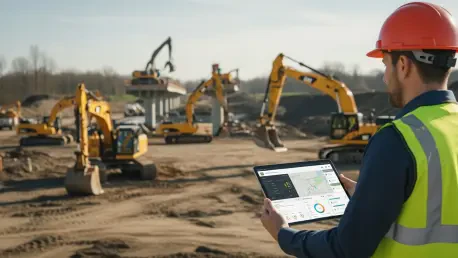
Heavy civil construction projects have reached a level of complexity where traditiona ladministrative workflows can no longer keep pace with the frantic reality of daily job site operations. Historically, software implementation in this sector was a top-down affair, typically initiated by

The traditional reliance on pre-construction energy models has finally met its match in the rigorous, data-driven reality of modern building performance standards that prioritize actual utility bills over theoretical projections. For many years, the real estate industry operated under the

The rapid proliferation of automated systems within the global corporate landscape has sparked a profound debate regarding whether these technologies serve as bridges or boundaries for individuals with diverse physical and cognitive needs. In a marketplace that increasingly prioritizes speed and

Modern project managers have realized that a single missed detail in a site report can result in millions of dollars in legal fees or unrecovered delay claims during the final closeout of a massive infrastructure project. The construction daily log, once viewed as a tedious administrative burden