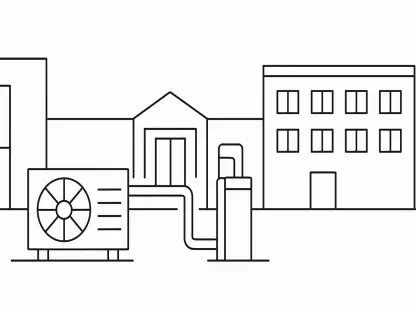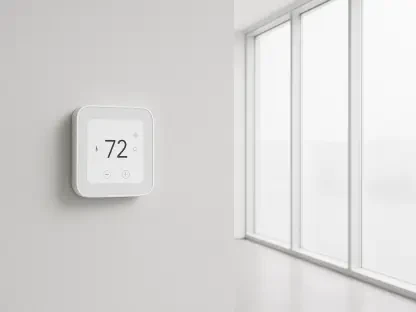

In an era where urban sprawl and skyrocketing energy costs challenge the very foundation of modern infrastructure, Building Management Systems (BMS) have emerged as indispensable tools for creating smarter, more sustainable environments. These sophisticated systems integrate control over critical

In an era where boutique hotels are carving out a unique space in the hospitality industry by blending local charm with modern efficiency, a new partnership has emerged to set a benchmark for innovation and excellence. Ash Hotels, a distinguished US brand celebrated for transforming historic

In an era where optimizing physical spaces has become a cornerstone of efficiency and sustainability, a groundbreaking partnership between two industry leaders, Milesight and Vemco Group, is setting a new standard for smart building solutions. Imagine a world where every square foot of an office,

In an era where energy efficiency and sustainability are paramount, the management of commercial buildings and data centers faces unprecedented challenges and opportunities, making innovative solutions essential. Imagine a world where building operators can predict energy consumption spikes before
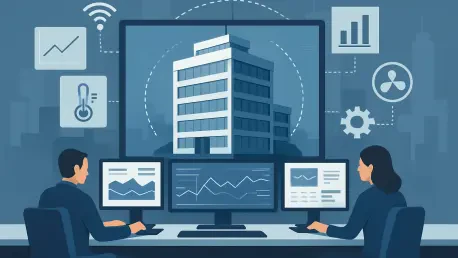
In an era where energy demands are skyrocketing and sustainability is no longer just a buzzword, the challenge of managing building and data center infrastructure has become increasingly complex, requiring innovative solutions that can keep pace with rapid technological advancements. Buildings
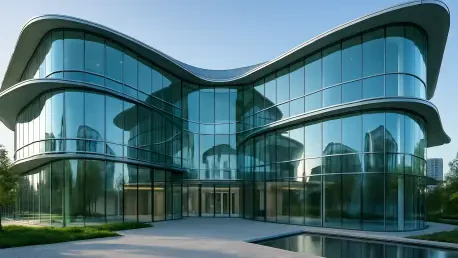
Imagine a world where the windows of a skyscraper automatically adjust their tint to block harsh sunlight during the day, then clear up to let in soft evening light, all while cutting energy costs and enhancing comfort for everyone inside. This isn’t science fiction—it’s the reality of smart glass,