
While construction firms maintain strict control over material costs and project schedules, many remain unaware that unverified time records represent a catastrophic legal vulnerability. This oversight often stems from the traditional view that timesheets are merely administrative tools meant to
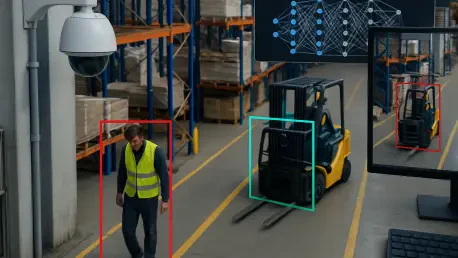
The transition to AI-driven safety management is driven by the need for structured data processing in environments where manual oversight is prone to error. Industrial sites currently face an unprecedented volume of operational data, making it nearly impossible for human safety officers to monitor
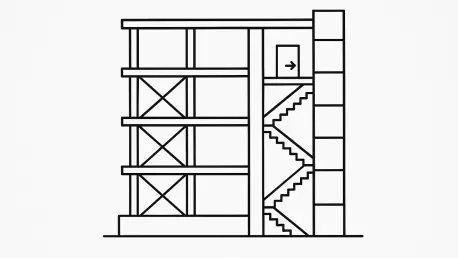
Residents in high-risk buildings often experience delays in vital maintenance due to the current inability of dutyholders to secure rapid intervention under the law. For too long, administrative hurdles and jurisdictional overlaps have slowed down the implementation of critical safety measures,

The quiet efficiency of a modern job site often masks a troubling trend that has become increasingly visible since the start of 2026. The rising complexity of modern occupational hazards means that a single workplace injury can now result in devastating financial and operational impacts for a

A nationwide initiative is currently underway to identify which existing permanent structures require retrofitting to meet newly established minimum earthquake-resistance standards. This sweeping effort addresses the growing concern over structural failures that have plagued rapidly urbanizing
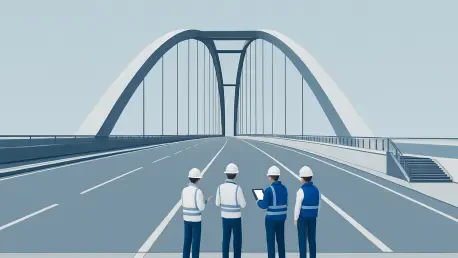
Detailed inspections of the built environment are revealing that approximately 25% of evaluated structures currently fall into categories labeled as either cautious use or entirely unsafe for occupancy. This sobering statistic emerges just weeks after the catastrophic twin seismic events that