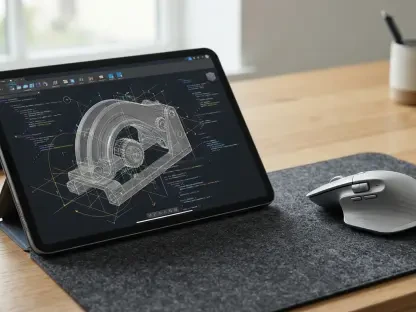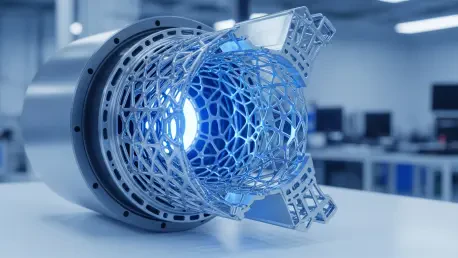
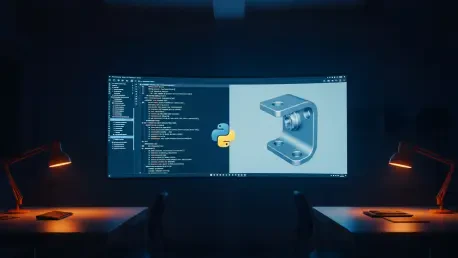
Traditional computer-aided design has long been a domain characterized by steep learning curves and rigid interface requirements that often stifle the creative spark of engineers and hobbyists alike. For many years, the divide between artistic mesh-based modeling and precise engineering-grade

The sudden influx of generative design tools and neural network-driven modeling environments has fundamentally altered the expectations of professional engineers who rely on Autodesk's ecosystem for precision and scalability. While the industry initially embraced the concept of Neural CAD as a
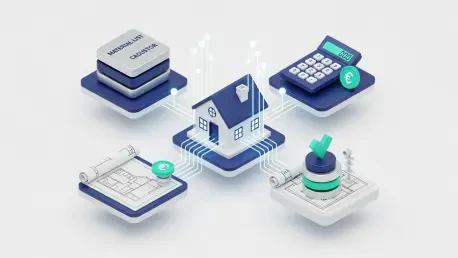
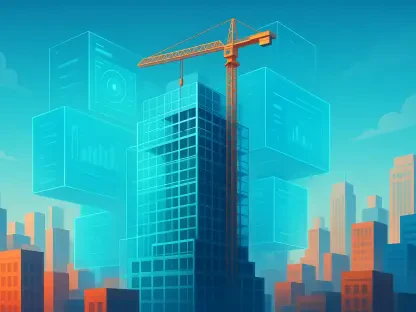
The residential construction industry is currently undergoing a radical transformation as traditional blueprints give way to sophisticated spatial artificial intelligence systems that bridge the gap between abstract architectural concepts and the practical realities of a physical job site. While

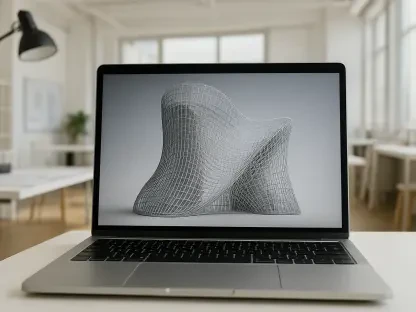
Engineering teams are no longer tethered to the rigid constraints of traditional parametric modeling because Neural CAD has introduced a paradigm shift in how digital geometry is synthesized and manipulated within the digital space. This breakthrough marks a departure from the manual drafting era,

The traditional reliance on isolated desktop applications for architectural and industrial engineering is rapidly fading as organizations demand real-time collaboration and seamless data exchange across diverse project phases. This shift from monolithic software packages to interconnected cloud
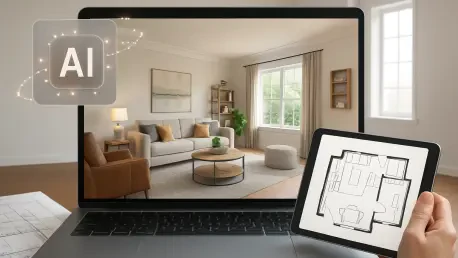
The traditional disconnect between an architect's vision and the contractor's physical implementation often results in costly delays that erode profit margins and frustrate homeowners during major renovations. As residential construction projects grow increasingly complex in 2026, the demand for a