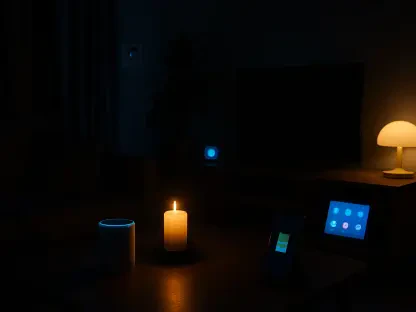

Discrepancies in day or time settings often cause automated routines to fail even when the connected hardware is functioning perfectly. In the landscape of 2026, smart home ecosystems have become integral to modern living, yet the sophistication of these systems occasionally leads to unexpected
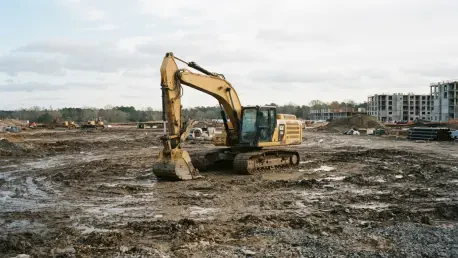
Contractors often struggle with disconnected tools that force them to react to crises rather than anticipating risks before they manifest on-site. This persistent lack of integration often leads to significant financial losses and timeline overruns that could have been avoided with better data
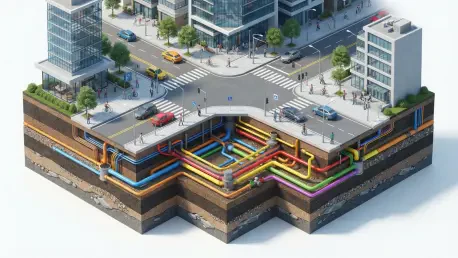
Experimental validation using OpenStreetMap datasets confirms that the BIM-GO model achieves a positioning accuracy of 95.6 percent in diverse geographic locations. The dense, invisible network of essential services—ranging from high-pressure gas lines to fiber-optic telecommunications—forms the
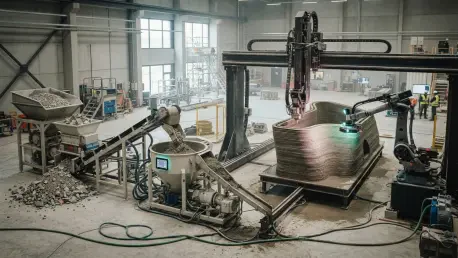
Computer vision systems using semantic segmentation now monitor interlayer lines in real-time to prevent the catastrophic structural failures often caused by minor filament tearing. This technological leap signifies the end of the experimental era for three-dimensional printed concrete (3DPC),
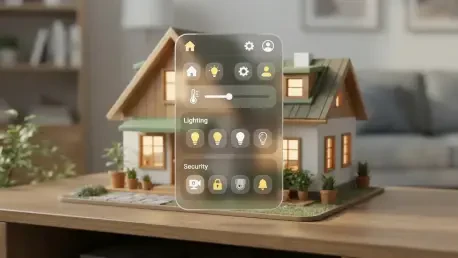
Research indicates that creating a single automation scene can require navigating a labyrinth of sub-menus and confirmation screens, leading to significant task completion delays. As smart home ecosystems expand to include an ever-growing array of connected devices, the digital interfaces used to
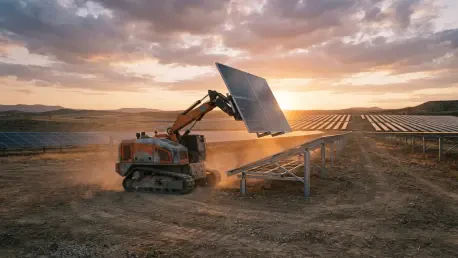
The transition of robotics from indoor manufacturing to outdoor infrastructure projects represents a fundamental evolution in how solar arrays are built. As global energy demands shift toward renewable sources, the sheer scale of utility-sized solar farms has outpaced the capacity of traditional