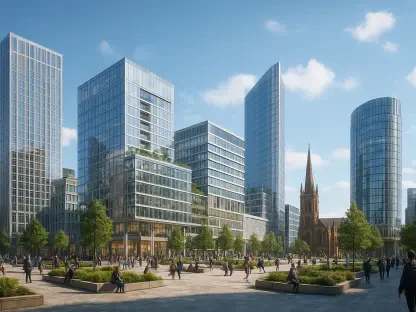

Southern metropolitan hubs like Nashville, Atlanta, and Charlotte were once the primary engines of American growth due to their low tax environments and relatively inexpensive real estate, but that competitive edge has largely dissolved in the wake of rapid institutional investment. This historic advantage rested on a balance where high-quality living remained accessible to both the blue-collar workforce and the professional class. However, the volume of migration seen over the last few years has pushed the local infrastructure and housing markets to a breaking point. Median home prices in high-growth corridors have surged by more than sixty percent, leaving local wages struggling to keep pace and creating a labor shortage for commercial tenants. As the workforce is forced to migrate further to the outskirts of these cities, the underlying logistics and operational costs for businesses are climbing, marking a definitive end to the era of the low-cost Southern alternative and signaling a shift toward a high-risk metropolitan reality.
The Financial Strain on Traditional Commerce
Mounting Operating Costs: The Threat to Small Operators
Property values in the South have risen so precipitously that the resulting tax assessments are now becoming a primary threat to the survival of long-standing local enterprises. In many high-growth zones, annual tax bills for small commercial properties have nearly quadrupled over the last few years, creating a massive fixed cost that independent operators cannot easily absorb. Unlike variable costs like inventory or labor, which can be managed through efficiency, property taxes are rigid and tied to the skyrocketing market value of the land itself. This financial pressure is forcing many established business owners to choose between implementing aggressive price hikes that might alienate their customer base or shutting down their operations permanently. The cost of staying in prime corridors has become untenable for businesses that do not have the backing of national capital, leading to a visible vacancy trend in neighborhoods previously considered hubs for entrepreneurship.
Building on these financial hurdles, the sharp increase in insurance premiums across the Sun Belt has added another layer of complexity to the mounting operating expenses for owners. Commercial property insurance rates have climbed significantly due to the increased valuation of assets and the perceived risks associated with rapid urban densification. For local business owners, these compounding costs mean that the Southern edge of affordability is no longer a reality, as their margins are squeezed from multiple directions simultaneously. Many entrepreneurs who once viewed the region as a safe harbor for innovation are now looking toward secondary markets that still offer the fiscal breathing room they once found in cities like Atlanta or Nashville. This migration of local talent and capital away from the primary Southern hubs suggests that the regional economic landscape is becoming bifurcated between high-end corporate entities and the struggling remains of the independent sector.
Retail Homogenization: From Local Shops to National Chains
The retail environment is currently undergoing a profound transformation as legacy industrial areas are repurposed into luxury mixed-use districts characterized by premium rents and high-end amenities. This evolution frequently results in a thinning of the traditional retail layer, as only national chains or brands supported by private equity firms possess the necessary capital to sustain such high occupancy costs. Consequently, the unique local character that once defined these Southern neighborhoods is being replaced by a more standardized market that favors well-capitalized national tenants over homegrown success stories. This homogenization creates a sterile commercial environment that may lack the long-term community engagement found in older districts. For real estate investors, while national tenants provide more security, the loss of independent retail reduces the overall appeal of these districts for residents who originally moved to these areas.
Beyond the aesthetic loss of local character, the transition to institutional retail dominance carries significant implications for the long-term economic resilience of Southern urban centers. National brands often have different supply chain requirements and employment models that do not always cycle capital back into the local economy as effectively as independent businesses do. Furthermore, the reliance on a few major tenants makes large-scale developments more vulnerable to broad market shifts, as the loss of a single national anchor can leave a massive hole in a district’s economic fabric. In contrast, a diverse ecosystem of smaller retailers provides a buffer against volatility, but the current rent structures effectively prohibit this diversity from flourishing. As the Southern commercial landscape continues to favor scale over variety, the very vibrancy that served as a magnet for corporate relocation and residential growth is being traded for a more predictable but less distinct model.
Evolving Urban Centers and Demographic Shifts
Institutional Influence: Large-Scale Development and Office Values
Massive corporate investments, including billion-dollar stadium projects and extensive tech campuses, are currently acting as anchors for high-end residential and commercial development across the region. While these projects support strong fundamentals for Class A office and luxury housing investors, they contribute significantly to a hollowing out of the middle-market economy. The focus on high-density, high-rent developments ensures a steady stream of revenue for institutional owners but leaves very little room for the diverse array of small businesses that support the daily needs of a functioning city. This shift prioritizes the needs of transient corporate employees over the permanent local population, leading to a real estate market that is increasingly detached from the economic reality of the average resident. As these massive projects continue to dictate the direction of urban planning, the resulting increase in land values makes it impossible for new ventures to find a foothold.
A high-cost environment is effectively driving away the creative class and essential service workers who provide these Southern cities with their unique cultural identity and social vibrancy. From musicians and artists who can no longer afford to live within city limits to century-old restaurants closing their doors due to rising overhead, the very cultural appeal that originally attracted corporate investment is under serious threat. The displacement of these essential groups creates a long-term risk for the stability and attractiveness of the Southern urban model, as cities become less accessible to the people who built their reputations. When the service industry workforce is forced to commute from hours away, the reliability of the local hospitality and tourism sectors begins to degrade, leading to a lower quality of experience for residents and visitors alike. This demographic shift indicates that without intentional preservation, the South will lose its most valuable asset: the people.
Strategic Adaptation: Navigating High-Cost Metropolitan Realities
The transition from a low-cost alternative to a high-cost metropolitan hub represented a critical maturity point for the Sun Belt region, necessitating a complete reassessment of long-term urban planning and investment strategies. Moving forward, the primary challenge for real estate professionals and city planners involved balancing high-end growth with the active preservation of a functional local business ecosystem. As the Southern advantage faded, commercial real estate strategies shifted toward more defensive and luxury-oriented positions to navigate the volatility of record-high entry costs. Successful stakeholders recognized that maintaining economic diversity was essential for long-term resilience and implemented new models for mixed-income commercial spaces. Asset managers started incorporating local-only lease clauses to preserve neighborhood character while diversifying their risk profiles. These proactive measures were necessary to ensure that the region did not lose its competitive spirit amidst the rising tide of price parity.