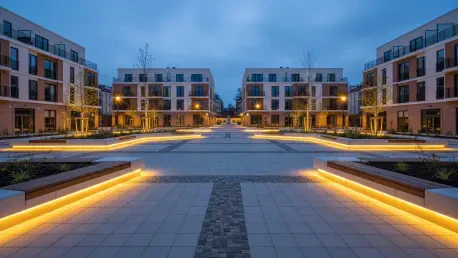
The evolution of contemporary metropolitan landscapes has reached a significant turning point as architects and planners move away from rigid, concrete-heavy structures toward more fluid and responsive environments. During the recent thirtieth anniversary of the Australian Urban Design Awards in
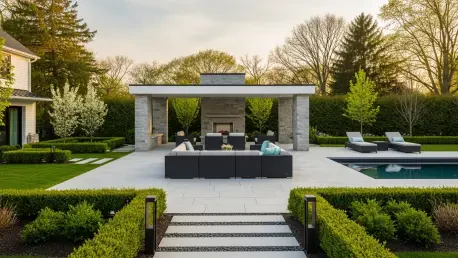
The contemporary movement toward redefining residential landscapes has shifted away from simple lawn maintenance toward the creation of sophisticated, multi-seasonal environments that function as a true extension of the home’s interior architecture. As homeowners look toward the current spring
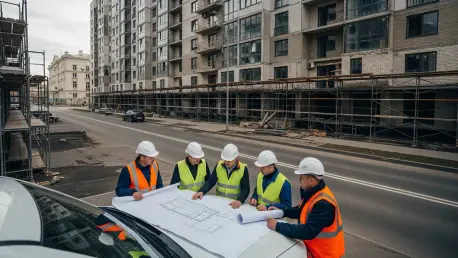
The urban landscape of Mykolaiv is currently enduring a paradoxical shift where the frequency of kinetic activity has declined, yet the physical consequences on the ground have become markedly more severe. This phenomenon is driven by an evolution in the destructive power of specialized weaponry
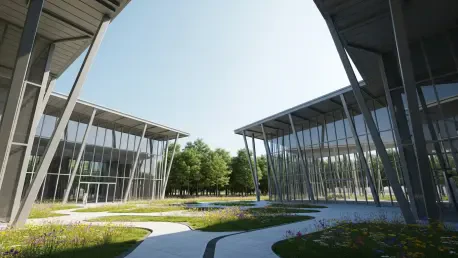
The traditional approach to city building, which often treats green space as a secondary aesthetic luxury rather than a functional necessity, is currently undergoing a radical transformation as global urban centers face unprecedented climate and social pressures. In the current landscape of 2026,
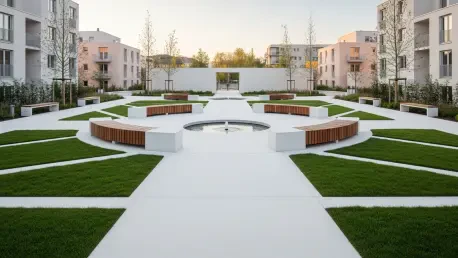
The tension between aggressive private real estate development and the public’s fundamental need for unencumbered green space has reached a critical tipping point in the modern urban landscape. As cities become more densely packed and the cost of land skyrockets, the concept of the "commons" serves
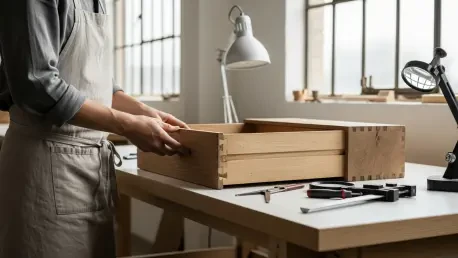
The sudden explosion of visual design across social media platforms has transformed the way people perceive luxury, yet it has simultaneously birthed a pervasive culture of imitation that threatens to dilute the historical value of original craftsmanship. While iconic furniture pieces are more