
Professional landscape designers emphasize that a yard’s perceived value is frequently undermined by the presence of temporary materials that fail to develop a natural patina over time. A common scenario involves a homeowner investing heavily in exotic plant species only to have the entire aesthetic compromised by a collection of plastic borders and mismatched garden ornaments. The true challenge lies not in the acquisition of more botanical variety, but in the disciplined selection of materials that age with grace and intention. As outdoor living spaces become more integrated with the architectural identity of the home, the distinction between a high-end landscape and a cluttered yard becomes increasingly apparent through the lens of materiality. Achieving a sense of ‘quiet luxury’ requires a shift in perspective, where the gardener views the landscape as a permanent structure rather than a seasonal project. This transition involves a rigorous editing process that prioritizes structural integrity over fleeting visual trends that often lead to a disjointed and unrefined outdoor environment.
Prioritizing Substance: The Shift Away from Ornamentation
Establishing Focus: Architectural Focal Points
One of the most frequent mistakes in residential yards is the accumulation of small, novelty garden ornaments such as plastic figurines or resin statues. While these items may hold personal sentimental value, they often feel out of scale with the surrounding flora and interrupt the visual flow of the landscape. When a yard is peppered with miniature accents, the eye is constantly darting from one distraction to another, preventing a true appreciation of the natural environment. Instead of scattering dozens of small trinkets, professionals recommend the ‘hero piece’ approach to provide a sense of arrival and purpose. A single, large-scale architectural element made of weathered stone, cast concrete, or Corten steel provides a sophisticated destination for the eye. These materials possess a tactile quality that synthetic alternatives lack, allowing the object to feel like a grounded part of the earth. Choosing one substantial piece creates a lasting impression and establishes an intentional focal point.
Lasting Quality: Investing in Permanent Containers
The materials chosen for your patio or terrace significantly impact the perceived value of your outdoor space, serving as the bridge between the home and the garden. Lightweight plastic or resin pots are prone to fading under UV exposure and cracking during frost cycles, which quickly signals a lack of quality to the observer. While these options are often more affordable initially, their lack of visual weight and structural substance often makes them feel like temporary additions. To achieve a grounded, high-end feel, it is essential to opt for heavy, authentic materials like terracotta, fiberstone, or natural clay. These materials provide better insulation for plant roots and possess a timeless aesthetic that complements both modern and traditional architecture. When a container has physical weight, it anchors the space, making the seating area feel like an established outdoor room. The presence of authentic ceramics or metal planters immediately elevates the surrounding environment, creating a professional look.
Strategic Growth: Refining the Planting Palette
Natural Movement: Transitioning from Ribbons to Drifts
Amateur gardens often feature a style known as ‘ribbon bedding,’ where high-contrast annuals are planted in rigid, artificial rows that follow the contours of a path or a lawn. While this approach provides immediate color, it often looks dated and lacks the depth found in more sophisticated professional designs. Such arrangements can appear disconnected from the broader environment, feeling more like a temporary commercial display than a living ecosystem. A more modern and sophisticated alternative is the concept of ‘meadowscaping,’ which involves planting in sweeping, intermingled drifts. This method mimics the way plants naturally colonize a landscape, creating a softer and more immersive visual experience. By moving away from strict lines and toward fluid shapes, the garden gains a sense of movement and spontaneity. This shift not only improves the aesthetic quality of the yard but also supports local biodiversity by creating a more complex habitat that changes beautifully through each season.
Visual Flow: Using Rhythmic Repetition to Create Harmony
A common pitfall that undermines the professional appearance of a yard is the ‘polka-dot’ effect, which occurs when single, disconnected plants are scattered across a bed in a random fashion. This creates a busy and unfinished look that lacks the lush maturity of a curated garden, as the eye has no clear path to follow. To avoid this sense of visual chaos, designers rely on the ‘Rule of Three’ or other odd-numbered groupings to establish a clear sense of rhythm and purpose. When plants are grouped in clusters, they create a stronger visual impact and a more unified appearance. This technique also allows for more effective competition against weeds, as the desired plants grow together to form a dense canopy. By repeating these specific plant combinations throughout different areas of the yard, a unified narrative is established, tying the various zones of the landscape together. This repetition guides the viewer’s eye through the space in a deliberate way, creating a harmonious and balanced outdoor experience.
Structural Foundations: Maintaining Spine and Border Integrity
Architectural Integrity: Strengthening the Spine
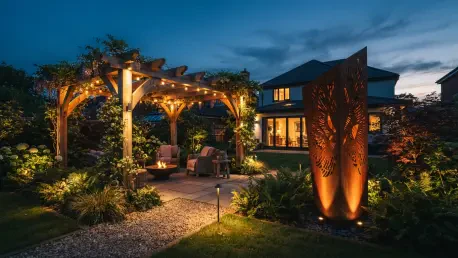
Hardscaping elements like pergolas, fences, and trellises serve as the skeleton of your yard, providing the necessary structure for climbing plants and defining outdoor rooms. When these structures are made of flimsy, low-quality materials or show signs of neglect, such as peeling paint or warped wood, the entire aesthetic of the landscape suffers. A leaning trellis or a rotting fence post can instantly detract from even the most meticulously maintained floral borders, signaling a lack of attention to the fundamental ‘bones’ of the garden. Professionals advocate for the use of durable materials like powder-coated metal or high-quality timber treated with dark, recessive stains. These materials are chosen for their longevity and their ability to withstand the varying conditions of the outdoor environment. By investing in robust structural elements, the landscape gains a sense of permanence and architectural integrity that forms the foundation for all other design choices, ensuring the space remains elegant.
Boundary Precision: Achieving Crisp and Clean Edging
The way you define the boundary between your lawn and planting beds is a subtle detail that carries immense weight in the overall perception of the yard’s quality. Wavy plastic edging strips or uneven, mismatched bricks can look messy and draw negative attention to the perimeter of the garden beds. These materials often shift over time due to frost heave or lawn maintenance, leading to an untidy appearance that is difficult to correct without a complete overhaul. To achieve a sharp, professional finish, many designers prefer a traditional hand-cut ‘spade edge,’ which creates a clean, vertical trench between the grass and the mulch. This method provides a clear separation that keeps the landscape looking manicured without being visually intrusive. While it requires periodic maintenance to keep the line crisp, the result is a timeless and sophisticated border that enhances the natural beauty of the planting beds. A well-defined edge is the hallmark of a garden that is cared for with precision.
Atmospheric Design: Enhancing the Space with Sophisticated Details
Sensory Experience: Choosing Quality Lighting and Materials
The transition to a luxury landscape is completed by focusing on the sensory experience of the space, particularly after sunset when lighting defines the atmosphere. A common mistake among homeowners is the use of cool-toned or flickering solar lights, which often emit a harsh blue glare that feels clinical and uninviting. These inexpensive fixtures frequently fail to provide adequate illumination and can ruin the tranquil ambiance of a carefully designed yard. Professional designs instead utilize soft, warm-toned, layered lighting to highlight specific architectural features, such as the texture of a stone wall or the canopy of a specimen tree. By placing lights at various levels—from ground-level path lights to uplights positioned within the foliage—designers create a sense of depth and drama that extends the usability of the yard into the evening hours. High-quality lighting systems are an investment that significantly enhances the nighttime aesthetic, making the space feel safe and luxurious.
Design Maturity: Embracing the Philosophy of Restraint
The transition toward sophisticated outdoor design was marked by a clear departure from temporary solutions in favor of enduring quality. Homeowners who prioritized the ‘architectural spine’ of their yards and invested in authentic materials effectively transformed their environments into timeless sanctuaries. This journey required a disciplined editing process, where the removal of visual clutter was just as important as the addition of new elements. Future efforts were directed toward the integration of smart irrigation systems and climate-resilient planting drifts to ensure the landscape remained both beautiful and sustainable from 2026 to 2028. By maintaining clean borders and choosing warm, layered lighting, the aesthetic value of the property was successfully preserved and enhanced. Those who embraced these professional principles found that a well-designed yard became a seamless extension of the home, providing a luxurious retreat that matured alongside the natural world. The commitment to restraint and high-quality materiality proved to be the most effective strategy for achieving lasting elegance.