
The shift toward deeply personalized and narrative-driven living environments marks a significant departure from the sterile, monochromatic minimalism that previously dominated modern residential architecture. Homeowners are now actively seeking to cultivate spaces that reflect a unique personal history rather than following a prescribed aesthetic found in mass-market catalogs. This evolution in residential design prioritizes character and soul over perfection, encouraging an eclectic yet refined mix of objects that tell a story. The era of the “showroom home” has been replaced by a layered and collected approach, where family heirlooms coexist with modern artifacts gathered from global travels. This trend represents a sophisticated version of maximalism that values intentionality and creative bravery. By integrating bold colors and diverse textures, these environments become transportive, offering a sense of permanence and depth that was often missing in the fleeting trends of previous years.
Tactile Luxury: The New Earthy Atmosphere
Modern interiors are witnessing a fundamental transformation where textiles are no longer relegated to simple accent pieces but serve as the primary structural element of a room’s atmosphere. The industry has moved decisively away from generic synthetic blends and thin linens in favor of high-integrity, handcrafted fabrics such as mohair, alpaca, and ultra-soft cashmere. These materials are being used to upholster large-scale furniture pieces and wall treatments, providing a deep level of tactile satisfaction that grounds the resident in their physical environment. This focus on sensory luxury creates a home that feels inherently generous and welcoming, prioritizing the human experience of touch. Designers are layering these rich fabrics to create complex visual landscapes that invite rest and reflection. This movement emphasizes the importance of material quality over sheer quantity, ensuring that every fabric choice contributes to a cohesive sense of comfort and long-term durability in the home.
Complementing this tactile richness is a profound shift toward a more soulful and grounded interpretation of Mediterranean-inspired design aesthetics. This approach moves far beyond the superficial replication of coastal motifs, focusing instead on embracing a slower and more deliberate pace of living through authentic material choices. Sun-baked hues, such as deep ochre, warm terracotta, and muted umber, are being paired with traditional limewash finishes to create surfaces that appear to have weathered naturally over time. This creates a serene and seamless connection between the interior and the natural world outside, fostering a sense of groundedness and stability. By utilizing materials that age gracefully, homeowners are creating environments that feel established and rooted in tradition. This aesthetic choice reflects a broader desire for authenticity, where the “imperfect” nature of hand-applied finishes is celebrated as a mark of true quality and artistic integrity within the modern domestic space.
Authentic Craftsmanship: The Rejection of Mass Production
A defining characteristic of the current design era is the total rejection of mass-produced furniture and the pervasive “dupe” culture that once prioritized imitation over originality. Homeowners are increasingly investing in traditional crafts and ancient techniques, recognizing the inherent value and longevity of items that are made by hand. This trend has revitalized interest in specialized finishes like hand-painted wallpaper and hand-troweled plaster, which transform walls into unique canvases of texture and color. These artisanal methods result in modern, sculptural forms that possess a depth and character impossible to replicate through industrial manufacturing. Hand-dyed yarns and hand-woven rugs are also seeing a resurgence, as their subtle imperfections provide a human touch that mass-market products simply cannot emulate. By prioritizing these unique pieces, individuals are moving away from the polished look of fast fashion toward an environment that values the artist’s hand and the story behind each creation.
This renewed appreciation for craftsmanship extends across borders, integrating diverse global heritages such as the intricate Japanese Nerikomi ceramic technique and vibrant South Asian textile traditions. At the same time, the boundary between everyday furniture and fine art is becoming increasingly blurred through the rise of neo-collectible design. Living spaces are being reimagined as curated galleries where every object is selected for its sculptural quality and artistic merit. Functional artistry is taking center stage, with avant-garde furniture made from heavy bronze or raw terracotta serving as both a utility and a focal point. These pieces often feature unexpected shapes and bold proportions, injecting a sense of movement and even a hint of humor into the domestic environment. Lighting has also evolved into a form of functional sculpture, with custom installations that act as the centerpiece of a room. This approach ensures that the home is not just a place to reside, but a dynamic space for creative expression.
Moody Palettes: Redefining Natural Surfaces
The conventional understanding of neutral colors is undergoing a radical transformation as professional designers transition toward much deeper and more saturated foundations. Traditional grays and beiges are being replaced by “new neutrals” such as deep plum, bitter chocolate, and rich oxblood, which provide a moody and grounding atmosphere. These nature-inspired palettes are utilized to create a sophisticated environment that feels luxurious and intimate without becoming visually overwhelming. When these dark, velvety tones are paired with high-quality materials like hand-glazed tiles or dark-stained woods, they create a cocoon-like effect that enhances the sense of security and privacy within the home. This shift toward darker palettes reflects a growing confidence in personal taste and a desire for spaces that feel substantial and emotionally resonant. By embracing these bold hues, homeowners can create a backdrop that highlights their art and furniture while establishing a consistent and calming mood.
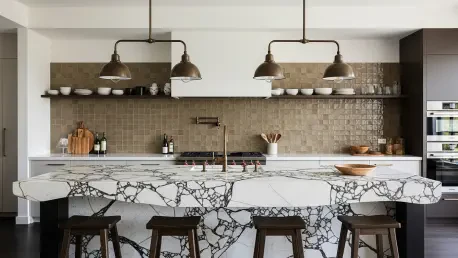
Natural surfaces are also evolving to become more dynamic and expressive, with a significant emphasis on sculptural stone and timber that possesses distinct character. Homeowners are moving away from uniform, quiet patterns in favor of stone slabs that feature dramatic and unpredictable veining for large-scale applications such as kitchen islands or bathroom vanities. This focus on “purposely irregular” materials ensures that each installation is a unique work of art, celebrating the natural flaws found in clay, stone, and wood. Large wall panels made from raw timber with visible knots and grain variations are being used to introduce warmth and organic texture into modern interiors. This trend highlights the beauty of natural materials in their most authentic form, moving away from the over-processed finishes of the past. By selecting materials with high visual movement, designers are able to create a sense of flow and energy within a room, ensuring that the environment feels alive and connected.
Specialized Retreats: The Rise of Intentional Layouts
The architectural layout of the contemporary home is shifting away from the expansive and often disconnected open-plan models of previous years toward more intimate and purposeful configurations. This evolution has led to the emergence of “jewel box” nooks, which are small, enclosed rooms designed for specific activities like reading, study, or dressing. These intimate zones serve as creative playgrounds where homeowners feel empowered to take significant design risks that might be too overwhelming for a larger living area. Within these spaces, one might find bold hand-painted murals, metallic ceiling finishes, or intricate custom plasterwork that creates a concentrated sensory experience. These rooms act as private sanctuaries, providing a physical and psychological retreat from the rest of the house. This shift toward smaller, more focused environments reflects a desire for homes that offer varied emotional experiences, allowing for moments of quiet introspection and intense creative inspiration within a single footprint.
Even in residences that retain a sense of openness, there is a clear movement toward “intentional delineation” to create functional pods that serve specific lifestyle needs. Designers are now utilizing furniture placement, architectural dividers, and strategic lighting to clearly define separate zones for work, wellness, and relaxation without the need for traditional walls. This approach creates a structured environment that feels protective and highly personalized, catering to the multifaceted demands of modern life. For instance, a dedicated wellness pod might feature specialized acoustic treatments and organic materials to facilitate meditation, while a workspace is defined by high-performance ergonomic elements and integrated technology. This method of layout design ensures that every square foot of the home is utilized with purpose and intention. By moving away from generic multi-purpose spaces, the home becomes a collection of specialized environments that support the specific routines of its inhabitants.
Future Foundations: Evolving the Domestic Experience
The transition toward these fearless interior design philosophies proved that homeowners were ready to embrace complexity and personal narrative over standardized aesthetics. Designers successfully demonstrated that a home could function as both a private sanctuary and a bold statement of identity by prioritizing authentic materials and specialized layouts. This period of transformation encouraged a move away from the temporary and toward the enduring, with a clear focus on craftsmanship that honored global traditions and natural beauty. For those looking to evolve their own environments, the next logical steps involved conducting a thorough audit of existing furniture to identify pieces with genuine emotional value. Investing in high-quality textiles and exploring deep, saturated color palettes became essential strategies for anyone seeking to create a more grounded and resonant living space. Future considerations suggested a continued emphasis on functional art, ensuring that every element within a home served a purpose while contributing to a rich, multi-layered visual story.