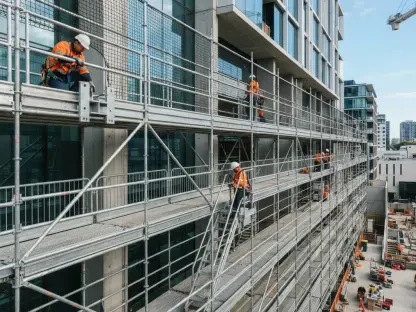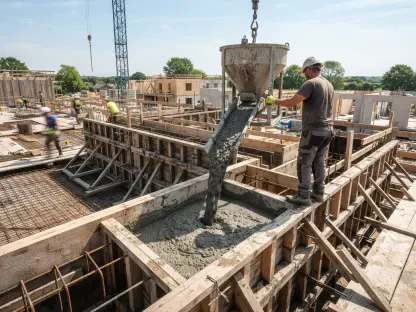

Geoffrey Mosiria’s transition from an environmental inspector to a customer care role is being cited as a clear example of how the system frustrates those who challenge unsafe building practices. This specific administrative shift occurred shortly after he attempted to enforce strict compliance at a construction site in Eastleigh, a high-density commercial district in Nairobi. The sudden collapse of the multi-story structure on October 23 serves as a devastating confirmation of the risks inherent in ignoring expert advice. While the neighborhood is synonymous with rapid growth and vibrant trade, it has also become a symbol of the dangerous disconnect between urban expansion and structural safety. The incident claimed the focus of the entire nation as emergency responders from the Kenya Red Cross scrambled to locate survivors among the rubble of a project that many residents had already flagged as unstable. This disaster was not an unforeseen act of nature but the predictable outcome of a system where warnings are silenced. At the time of the failure, sixty-seven workers were on-site, narrowly avoiding a mass casualty event as the concrete gave way.
Systemic Obstruction and Administrative Interference
A central pillar of this tragedy involves allegations of high-level interference that prevented safety inspections from being carried out effectively. Former Nairobi County officials have come forward with claims that their previous attempts to halt suspicious activity at the site, including illegal nighttime construction, were thwarted by superiors who allegedly instructed them to stay away from the project. According to these accounts, diligent inspectors are often met with administrative retaliation, where those who flag safety violations are punitively transferred to minor roles or forced out of their positions to clear the way for influential developers. This pattern of obstruction suggests that the collapse was not merely a technical engineering error but a byproduct of a compromised governance culture. Even though the building reportedly held initial construction permits, it lacked the essential occupation certificates required to house businesses safely.
This gap between theoretical approval and actual site safety highlights a race to the bottom where economic pressures drive developers to bypass essential structural checks, often with the silent consent of pressured officials. The immediate aftermath of the disaster saw a frantic mobilization of the Kenya Red Cross and county emergency services to account for dozens of workers and traders. On-site reports indicated that while the vast majority of the sixty-seven construction workers managed to escape the falling debris, the chaos was compounded by the fact that businesses were already operating in the basement and ground floor of the unfinished structure. This premature occupation meant that shoppers and merchants were placed in harm’s way long before the building had received any formal certification for use. Evidence of the impending disaster surfaced on social media, where residents had shared footage of massive cracks in the pillars just hours before the structure gave way.
Strategic Reforms: Technological Solutions and Policy Shifts
In light of the tragedy, several critical findings and recommendations have emerged to reform the construction sector. There is an urgent call for a comprehensive, city-wide inspection of all buildings—both under construction and currently occupied—conducted by independent, qualified engineers to prevent further loss of life. One prominent proposal involves the mandatory use of body cameras for enforcement officers during site visits. This technological intervention is intended to provide an objective record of inspections, protecting both the integrity of the officers and the rights of developers from harassment or solicitation of bribes. By creating a digital trail of every structural assessment, the county could dismantle the alleged cartels that currently govern the building sector. Furthermore, there is a clear appeal for executive intervention from the national government to ensure that environmental and safety standards are not circumvented for short-term profit.
To move forward, authorities established a framework for immediate structural audits across the metropolitan area starting in late 2026. This initiative prioritized high-rise developments in Eastleigh and South C, focusing on buildings that lacked final occupancy permits. The implementation of a digital permitting system reduced the opportunities for administrative interference, ensuring that every safety warning was logged and visible to multi-agency task forces. Civil engineers recommended that the Nairobi City County implement a whistleblower protection program, allowing inspectors to report violations without fear of punitive transfers. By professionalizing the inspection workforce and ensuring that structural engineers held personal liability for certifications, the city began to restore public trust in urban planning. The disaster forced a pivot toward an ethical construction landscape, where the lives of workers were no longer treated as secondary to the speed of development. These actions laid the groundwork for a safer city.