
High-density urban living in the United Kingdom has undergone a dramatic transformation as tenants increasingly prioritize private outdoor access and low-rise configurations over traditional high-rise apartments. While metropolitan centers once defined the rental market through soaring towers, a new architectural preference is emerging across the Midlands and the South East. This trend, often referred to as garden-style living, emphasizes low-density footprints, ample green space, and a stronger connection to the local environment. Developers are now pivoting away from the glass-and-steel verticality of the last decade to focus on suburban-inspired clusters that offer a blend of privacy and community. The motivation behind this change stems from a deeper societal reassessment of what constitutes a high-quality living environment. Investors are noticing that modern renters are willing to pay a premium for properties that provide individual front doors and gardens.
Horizontal Design Trends
Architectural Shift
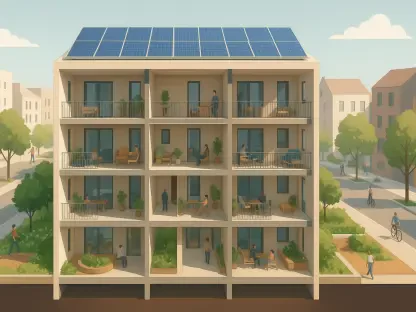
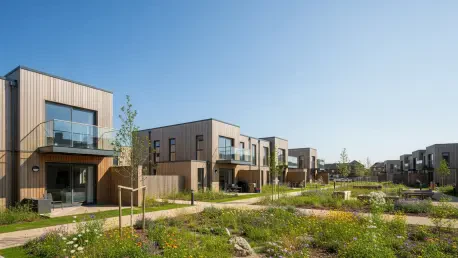
The architectural shift toward garden-style developments represents a significant departure from the concentrated urbanization that dominated the early 2020s. These low-rise communities typically consist of two-to-four-story buildings arranged around central courtyards, contrasting sharply with the isolated nature of high-rise living. By spreading the residential units horizontally, architects can incorporate better natural light and cross-ventilation, which are often limited in deeper, multi-unit corridors. This design philosophy also allows for a more seamless integration of sustainable materials, such as timber framing and permeable paving, which align with contemporary environmental standards. Furthermore, the construction of these sites often involves modular techniques, which significantly reduces the time required to bring new units to market. This efficiency is crucial for addressing the housing shortage while maintaining a high level of quality for the residents.
Operational Assets
Beyond the physical structure, the operational model of garden-style living offers unique advantages for long-term property management and maintenance. Traditional high-rise buildings often face escalating service charges due to the complex mechanical systems required for elevators and centralized heating. In contrast, low-rise garden apartments utilize decentralized systems that are easier to maintain and cheaper for tenants to operate. This reduction in overhead costs makes the garden-style model particularly attractive to institutional investors looking for stable, low-volatility returns. Moreover, the distributed nature of the buildings means that renovation or repair work can be carried out on a localized basis without disrupting the entire community. This flexibility ensures that the housing stock remains in peak condition for longer periods. As the rental sector professionalizes, the focus on durability is pushing the market toward these resilient residential configurations.
Infrastructure Growth
Urban Sustainability
Urban planners are increasingly viewing garden-style developments as a viable solution for the regeneration of brownfield sites and edge-of-town locations. These projects allow for the efficient use of land that might be unsuitable for massive skyscrapers due to soil conditions or local zoning restrictions. By focusing on medium density, planners can achieve the necessary housing targets while preserving the character of semi-rural neighborhoods. Furthermore, these developments often serve as catalysts for broader infrastructure improvements, such as the expansion of cycling lanes and improved bus networks. The emphasis on green infrastructure helps to mitigate the urban heat island effect and improve local biodiversity. Integrating these environmental considerations into the planning phase ensures that new housing does not come at the expense of ecological health. This balanced approach is essential for creating sustainable communities that can adapt to changing societal needs.
Market Evolution
Stakeholders recognized that the success of garden-style living depended on more than just aesthetics; it required a fundamental shift in how the industry approached community building. Decision-makers successfully integrated local businesses and public services into the heart of these developments, ensuring that residents felt connected to the wider region. Future strategies prioritized the development of mixed-use spaces within these residential clusters to further reduce the need for long-distance travel. Developers who adopted innovative construction methods and focused on ecological preservation managed to secure the most favorable planning outcomes. It was essential for the industry to maintain a commitment to affordability while delivering high-quality amenities to avoid creating exclusive enclaves. Moving forward, the focus remained on diversifying the rental stock to accommodate a wider range of income levels. This proactive approach solidified the role of horizontal living.