
While many municipalities struggle to balance the demands of aging infrastructure with the immediate economic health of their downtown districts, Edwardsville has implemented a sophisticated strategy to ensure its growth does not come at the expense of its merchants. At recent municipal gatherings, city officials clarified that the current trajectory of development requires more than just physical construction; it demands a robust safety net for the local economy. This period of transition is characterized by a significant influx of capital into necessary utility upgrades, yet the leadership remains acutely aware that torn-up streets and restricted access can cripple small shops. By prioritizing a blend of financial aid and long-term logistical planning, the city is attempting to foster a climate where modernization and tradition coexist. This administrative philosophy underscores a commitment to maintaining the city’s unique character while aggressively pursuing the infrastructure standards required for a thriving modern community.
Financial Relief: The Construction Interruption Grant Program
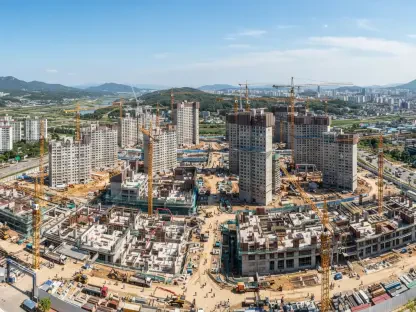
A central component of this supportive framework is the newly established Construction Interruption Grant Program, which provides direct relief to businesses impacted by large-scale municipal projects. As the city undertakes essential tasks like water line replacements and sidewalk renovations, the physical barriers created by these works can deter foot traffic and complicate logistics for many storefronts. To mitigate these challenges, the city has allocated funds to offer one-time grants of up to $7,500 to eligible local businesses that can prove a significant disruption to their operations. This initiative is not merely a philanthropic gesture but a calculated investment in the continuity of the local tax base and the preservation of the downtown social fabric. By providing this liquidity, the city ensures that long-standing establishments can weather the temporary inconveniences of modernization without facing permanent closure or severe financial distress.
Transparency and accountability remain at the forefront of this financial assistance effort, as business owners are required to provide comprehensive documentation of their revenue losses compared to previous cycles. This data-driven approach ensures that the limited grant funds are directed toward those who have truly felt the impact of the machinery and barricades on North Main Street and St. Louis Street. Officials have streamlined the application process to be as accessible as possible, recognizing that small business owners often lack the administrative bandwidth to navigate overly complex bureaucratic hurdles. The focus remains on high-traffic corridors where the overlap of utility work and commercial activity is most intense, creating a vital economic bridge. By specifically targeting these zones, the city effectively cushions the blow for merchants who are caught in the crosshairs of necessary improvements, maintaining the vibrancy of the city’s core even during its most disruptive phases.
Public Safety: Advanced Procurement and Community Policing
Beyond economic stability, the city is applying a forward-thinking lens to public safety, particularly through its innovative equipment procurement strategies. A notable example is the early approval for a custom ambulance, a decision made to circumvent the volatility currently seen in global manufacturing and supply chains. By placing an order for a vehicle that is not scheduled for delivery until 2029, the city has effectively locked in current market rates, shielding the municipal budget from the inevitable creep of inflation and price hikes. This proactive approach ensures that the fire department’s replacement cycle remains uninterrupted, even in an era of unpredictable backlogs and material shortages. It demonstrates a sophisticated understanding of municipal finance, where long-term planning is used as a tool to guarantee the availability of life-saving equipment. This strategy allows for a seamless transition between aging assets and modern technology without fiscal shocks to the community.
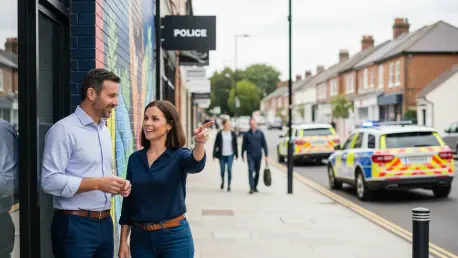
In conjunction with emergency medical services, the city is also reinforcing its law enforcement capabilities through targeted investments in technology and community-oriented programs. The approval of a new fleet of police interceptors, equipped with the latest in-car camera systems, represents a commitment to modern evidentiary standards and transparency in policing. These vehicles are designed to enhance the patrol capacity of the department while providing officers with the tools necessary to perform their duties safely and effectively. Furthermore, the city has renewed its emphasis on regional safety through the School Resource Officer program, which places trained personnel within local educational institutions. This partnership fosters a collaborative environment between students, faculty, and law enforcement, focusing on prevention and the building of trust rather than just enforcement. These investments create a holistic safety network that addresses both the immediate technological needs and the long-term goal of fostering a secure and inclusive environment for all residents.
Urban Vitality: Infrastructure Resilience and Cultural Art
The city’s commitment to growth is not limited to physical infrastructure and safety; it also extends to the cultural identity and aesthetic appeal of the downtown area. Recently, the approval of an expansive Route 66-themed mural served as a catalyst for a broader discussion on how public art influences economic vitality and tourism. This project, while requiring a variance from existing sign codes due to its sheer scale, highlights the city’s desire to celebrate its historical connection to the legendary highway. Officials view these artistic installations as more than mere decoration; they are landmarks that draw visitors into the city center and encourage them to spend time and money at local businesses. This focus on cultural landmarks is part of a larger strategy to update municipal codes, making it easier for public art to flourish throughout the district. By embracing high-visibility projects that reflect local heritage, the city is creating a unique sense of place that distinguishes it from other regional centers.
Parallel to these cultural enhancements, the city continues to tackle the technical challenges inherent in managing a growing utility network, such as the maintenance of the Arbor Lakes lift station. These sewer projects may lack the visibility of a downtown mural, but they are the essential backbone that supports residential expansion and commercial development. At the same time, the administration is preparing for major civic milestones, including the expansion of public celebrations for the nation’s 250th birthday. Coordinating these massive events requires a delicate balance of public safety resources and infrastructure readiness to ensure a safe and enjoyable experience for thousands of spectators. Whether it is the meticulous adjustment of sewer lines or the logistical planning for a fireworks display, the city’s management style is defined by a rigorous attention to detail. This dual focus ensures that the essential services remain reliable while the community has ample opportunities to gather and celebrate its shared heritage during this historic period of growth.
Strategic Evolution: Lessons From the Municipal Planning Phase
The administration successfully established a framework that prioritized consistent communication between the public works department and the local chamber of commerce. This structure allowed for a more responsive adjustment to traffic patterns when construction schedules shifted unexpectedly during the initial phases of the utility upgrades. Leaders determined that these early interventions provided the necessary stability for merchants who were otherwise facing extreme uncertainty regarding their daily operations. By documenting the impact of the grant program, the council gathered vital data that informed the next steps of the city’s economic resilience strategy. It became clear that the integration of safety technology with direct financial aid was the most effective way to navigate periods of rapid urban renewal. The city proactively addressed these hurdles by creating a blueprint that other municipalities began to study as a model for sustainable growth. These efforts solidified a reputation for managing change with a high degree of empathy and administrative precision.
Throughout this process, the city took decisive steps to ensure that the modernization of its physical assets did not outpace the community’s ability to adapt to those changes. The council finalized a series of policies that bridged the gap between immediate emergency needs and long-term fiscal health, such as the strategic procurement of emergency vehicles and the expansion of school safety initiatives. These measures provided a sense of security for families and business owners alike, fostering a climate of trust in the local government’s ability to protect its citizens. As the infrastructure projects reached their milestones, the focus shifted toward refining the city’s aesthetic codes to further encourage the growth of the creative economy and public art. This transition allowed for a more dynamic and inviting downtown environment that capitalized on the city’s historical assets. By prioritizing these diverse but interconnected goals, the leadership successfully laid the groundwork for a period where economic prosperity and public safety remained deeply intertwined.