
The staggering realization that a single large-scale commercial office tower can house more than ten thousand individual battery-powered sensors has fundamentally changed how facilities managers view the sustainability of their digital infrastructure. While the initial promise of smart building technology focused on efficiency and connectivity, the sheer volume of devices has created an unintended logistical crisis known as the battery wall. Maintaining these systems requires a continuous cycle of monitoring, procurement, and manual replacement that drains labor resources and inflates operational budgets beyond sustainable levels. To address this, the industry has pivoted toward ambient IoT, an architectural shift where sensors draw power from their immediate surroundings rather than relying on internal chemical storage. This transition is not merely a technical upgrade but a necessary evolution that allows for truly autonomous environments. By eliminating the weakest link in the hardware chain, organizations can finally realize the full potential of dense sensor networks without being tethered to a finite power supply.
Engineering the Transition: The Mechanics of Ambient IoT
The Functionality of Energy Capture and Transduction
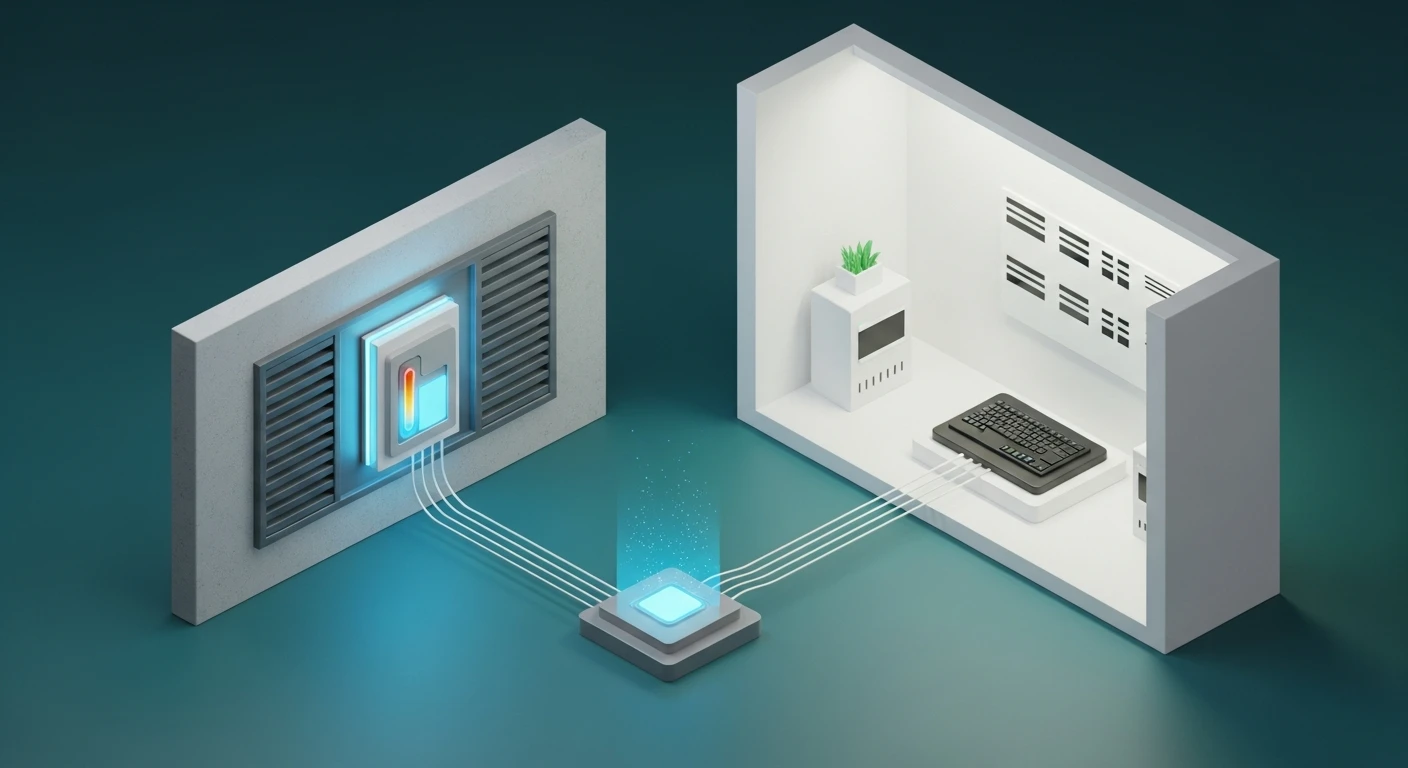
Transitioning away from a centralized or battery-dependent power model requires a sophisticated three-part hardware architecture designed to convert environmental energy into a usable electrical current. At the heart of this system is the energy harvester, which acts as a transducer to capture raw energy from sources like indoor lighting, mechanical vibrations, or thermal gradients between HVAC vents and room surfaces. Solar cells have become particularly advanced, moving beyond traditional silicon to flexible organic photovoltaics that can function effectively even in the dim lighting typical of interior hallways or cubicle spaces. These components must be incredibly sensitive, as the amount of energy available in a standard office setting is often measured in microwatts. However, because modern sensors are built with extreme efficiency in mind, these small amounts of captured ambient energy are more than sufficient to power intermittent tasks like reading a room’s temperature or detecting motion in a conference room.
Stabilization Through Power Management and Storage
Because the energy harvested from the environment is inherently unpredictable and intermittent, these systems rely on specialized power management integrated circuits to provide stability. These circuits act as the regulatory brain of the device, smoothing out voltage spikes and ensuring that the sensitive electronic components receive a clean, consistent stream of power. Without this regulation, the internal circuitry of a smart sensor could easily be damaged by fluctuations or fail to boot up entirely during periods of low environmental activity. To bridge the gap when the lights are turned off or the machinery stops vibrating, engineers incorporate storage elements like high-capacity ceramic capacitors or thin-film rechargeable cells. Unlike traditional batteries, these storage components are designed to survive tens of thousands of charge-discharge cycles without degrading, matching the overall lifespan of the sensor itself. This synergy between efficient capture and robust storage ensures that the device remains operational around the clock.
Optimization of Ultra-Low-Power Connectivity and Design
The viability of battery-free sensors is deeply connected to the development of ultra-low-power communication protocols and the miniaturization of silicon components. Most smart building sensors spend the majority of their operational life in a deep sleep state, consuming only a few nano-amps while waiting for an event to trigger a broadcast. When it is time to send data, these devices utilize efficient wireless standards like Bluetooth Low Energy that allow the sensor to transmit its payload in a fraction of a second before returning to a dormant state. This burst-mode operation aligns perfectly with the modest power outputs of ambient energy transducers, allowing for form factors as thin as a piece of tape. Because these devices do not need a large battery compartment, they can be placed in previously inaccessible locations like inside walls or ventilation ducting. This flexibility leads to a more granular understanding of building performance, providing data points once missed due to the limitations of traditional, bulky hardware.
Economic and Environmental Impact: Driving Operational Value
Reducing Total Cost of Ownership Through Maintenance Elimination
For property owners and stakeholders, the transition to energy-harvesting systems is primarily motivated by the dramatic reduction in long-term operational expenditures that these systems provide. The true cost of a battery-powered sensor is not the purchase price of the device itself, but rather the cumulative cost of the labor required to manage it over a five-to-ten-year lifecycle. In a massive facility, a maintenance team might spend hundreds of hours every year simply tracking down dead sensors, ordering replacements, and physically visiting each device to swap out the power source. Energy harvesting effectively eliminates this recurring overhead, allowing facilities staff to focus on high-value tasks like preventive maintenance and system optimization rather than routine battery logistics. This shift transforms the financial model of smart buildings from an ongoing drain on resources to a more predictable capital investment, making the return on investment much more attractive to financial officers.
Implementing Sustainable Solutions for Long-Term Infrastructure
The successful integration of ambient IoT systems demonstrated that the era of manual battery management in smart buildings was officially coming to a close. By aligning technical upgrades with global sustainability targets, organizations effectively reduced their hazardous electronic waste while simultaneously future-proofing their facilities against stricter environmental regulations. It was essential for stakeholders to audit their current wireless networks to ensure compatibility with ultra-low-power protocols before committing to a full-scale rollout of these self-sustaining devices. Technical teams prioritized the replacement of high-maintenance battery units with energy-harvesting smart labels, a move that immediately stabilized operational costs. Looking ahead, the focus remained on refining hardware efficiency to support more complex data analytics at the edge without increasing power demand. Managers who embraced this change early avoided the logistical bottlenecks and toxic waste issues that hampered competitors.