
The relentless expansion of generative artificial intelligence has fundamentally altered the global industrial landscape, creating a voracious appetite for high-performance computing centers that the traditional construction sector is currently struggling to satisfy. While software updates and large language model iterations occur in matters of weeks, the physical infrastructure required to house thousands of high-end graphical processing units remains tethered to the slow, methodical reality of steel, concrete, and specialized electrical components. This widening gap between digital ambition and physical execution has placed immense pressure on developers who must now reconcile the lightning-fast demands of the tech sector with the bureaucratic and logistical friction of the real world. As the industry enters this pivotal phase, the focus is shifting away from mere floor space toward the sophisticated integration of specialized cooling systems and ultra-dense power grids that can handle the massive heat signatures of modern AI.
Navigating the Regulatory and Bureaucratic Maze
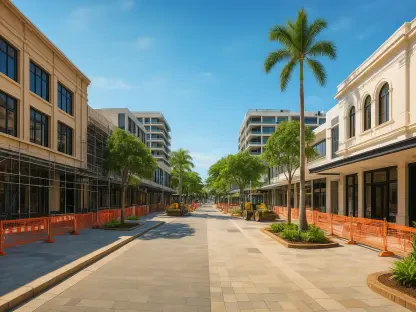
Modern data center development is increasingly defined by a complex web of local regulations and environmental standards that vary significantly from one jurisdiction to another. Securing the necessary permits for a multi-hundred-megawatt facility often involves years of negotiations regarding water usage, noise mitigation, and power grid impact assessments. For instance, in regions with strict carbon mandates, developers are required to demonstrate not just the economic value of a site, but also its long-term sustainability profile and minimal disruption to the local ecology. These bureaucratic hurdles have become so pronounced that even the most well-funded tech giants find themselves stalled by localized opposition or outdated zoning laws that never anticipated the sheer scale of modern AI clusters. Consequently, the ability to navigate these legal landscapes with precision has become a competitive advantage, often determining which projects move from blueprints to groundbreaking within a reasonable timeframe.
To mitigate the risks associated with these prolonged timelines, the relationship between data center owners and general contractors has undergone a fundamental transformation. The traditional model of selecting the lowest bidder through a competitive tender process is rapidly being replaced by long-term strategic alliances built on mutual trust and technical expertise. Developers are now prioritizing contractors who possess a deep understanding of mission-critical infrastructure and the specific requirements of high-density liquid cooling systems. By forming these deep-seated partnerships early in the design phase, companies can identify potential regulatory or technical bottlenecks before they escalate into costly project delays. This collaborative approach ensures that safety, resilience, and operational efficiency are baked into the project from the start, rather than being treated as secondary considerations. In this high-stakes environment, the value of a proven track record in complex industrial construction outweighs the potential savings of a lower initial bid.
Supply Chain Constraints and Labor Strategy
Beyond the challenges of permitting and partnerships, the physical act of building is currently constrained by a global supply chain that was not designed for this sudden surge in demand. Critical components such as high-voltage transformers, custom air-cooled chillers, and backup generators often require lead times extending beyond twenty-four months. This reality has forced a paradigm shift in how materials are procured, moving away from just-in-time delivery toward a more proactive, inventory-heavy strategy. Successful project managers are now securing equipment long before a site is even fully permitted, effectively gambling on future needs to ensure that hardware is available when the building shell is ready. This warehouse-first mentality requires significant upfront capital and a sophisticated understanding of logistics, as the failure to receive a single critical electrical component can halt the progress of an entire campus. Managing these physical constraints has become a central pillar of modern data center delivery.
The availability of a specialized workforce has emerged as another decisive factor in determining where and when these massive facilities can be constructed. While land and power access are traditionally the primary drivers for site selection, developers must now account for the proximity of a skilled labor pool capable of executing complex mechanical and electrical installations. In many cases, the most attractive regions for data centers are also areas where competition for electricians, pipefitters, and specialized technicians is at an all-time high. To attract and retain the necessary talent, contractors are increasingly looking at local amenities and residential proximity as vital components of their project feasibility studies. A location that offers high-quality living standards and easy commutes is far more likely to maintain a consistent crew size than a remote site with limited infrastructure. This human-centric approach to site selection acknowledges that, despite the high-tech nature of the industry, the speed of construction remains dependent on the hands and skills of humans.
Infrastructure Transformation for High-Density Loads
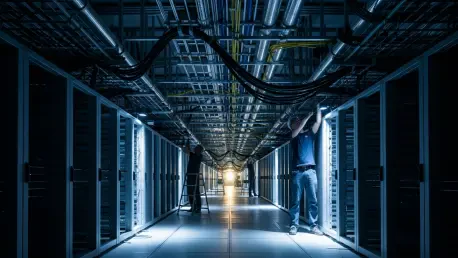
As artificial intelligence hardware continues to evolve toward higher power densities, the internal architecture of the data center is being completely reimagined. Current server racks are drawing significantly more power than those of previous generations, necessitating a move toward liquid-to-chip cooling solutions and more robust electrical distribution systems. This shift means that a larger percentage of the building’s footprint must be dedicated to mechanical and electrical infrastructure, leaving less room for the actual server floor than once anticipated. Builders must now integrate complex piping networks and massive energy storage systems within the structure, all while maintaining the structural integrity required to support such heavy equipment. Furthermore, the transition to these high-performance environments demands rigorous energy safety planning to prevent catastrophic failures in these ultra-dense clusters. Balancing the extreme performance requirements of AI with the physical limitations of the building shell represents a significant engineering challenge for today’s construction teams.
Looking back at the recent shifts in the industry, it became clear that the successful delivery of AI infrastructure required a total departure from traditional building methods. Strategic foresight in the form of modular design and prefabricated components allowed the most agile firms to bypass some of the on-site labor shortages and supply chain delays that plagued standard projects. Moving forward, the industry prioritized the integration of on-site renewable energy sources and advanced microgrids to alleviate the strain on public utilities, ensuring that new facilities could operate independently of a stressed grid. Developers also realized the importance of investing in local vocational training programs to cultivate a sustainable pipeline of technical talent for future expansion. By focusing on these integrated solutions, the sector managed to bridge the gap between digital demand and physical reality. These proactive measures transformed the construction landscape into a more resilient ecosystem that successfully supported the next wave of global computing innovation.