

Removing the contractual stick of retentions forces lead contractors and clients to address root causes of poor quality like fragmented accountability and incomplete project designs. For decades, the sector operated under a cloud of financial mistrust, where withholding five percent of a contract

The transition of robotics from indoor manufacturing to outdoor infrastructure projects represents a fundamental evolution in how solar arrays are built. As global energy demands shift toward renewable sources, the sheer scale of utility-sized solar farms has outpaced the capacity of traditional
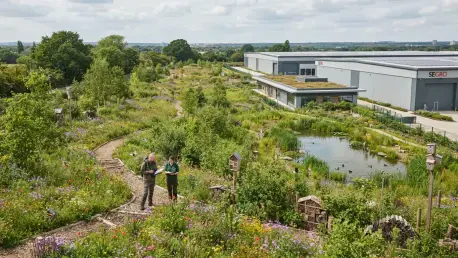
The integration of advanced botanical science into the sprawling corridors of logistics real estate signifies a decisive transition from traditional industrial utility toward a model of regenerative land stewardship. The collaboration between SEGRO, a preeminent developer of industrial property,

Redefining High-End Development Through Strategic Integration The relentless densification of London’s high-value districts has transformed the super-prime luxury market into a complex arena where engineering ingenuity is as valuable as the real estate itself. Navigating this landscape requires

Firms such as CPC Project Services have reported a 48% turnover increase over two years, illustrating the success of a trusted-advisor model over traditional transactional services. This growth metric highlights a broader shift among the finalists for the 2026 Building Awards, where the category
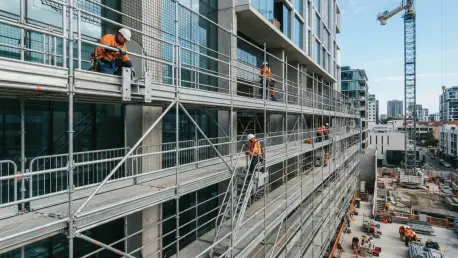
Contractors must navigate a more nuanced prequalification landscape that distinguishes between activities requiring Building Regulations compliance and those involving purely temporary installations. This fundamental shift arrives with the release of the Common Assessment Standard (CAS) Version 6,

Ultra-short-throw laser projectors provide a cinematic experience by sitting inches from a wall to project massive, high-definition images without the clutter of traditional theater setups. This advancement serves as a microcosm for the broader transformation of domestic living, where technology

By integrating AI that supports over 200 languages, property managers in Dubai can now communicate fluently with a highly diverse international tenant base. This technological leap is the cornerstone of a new strategic alliance between Seed Group, a notable entity under The Private Office of Sheikh
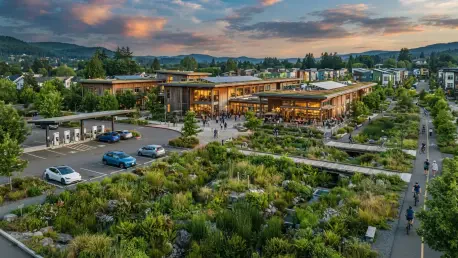
The Green Tools team provides the essential technical resources and planning assistance needed to ensure every municipal department meets its sustainability goals. This foundational support has been a primary driver since King County first articulated its vision for sustainable development over two

The transition to automated technician dispatching and invoice processing introduces new digital vulnerabilities that require sophisticated incident response readiness plans. As commercial properties evolve from static brick-and-mortar assets into highly integrated digital environments, the line
1 2 3 4 5 6 7 8 9 10 11 12 13 14 15 16 17 18 19 20 21 22 23 24 25 26 27 28 29 30 31 32 33 34 35 36 37 38 39 40 41 42 43 44 45 46 47 48 49 50 51 52 53 54 55 56 57 58 59 60 61 62 63 64 65 66 67 68 69 70 71 72 73 74 75 76 77 78 79 80 81 82 83 84 85 86 87 88 89 90 91 92 93 94 95 96 97 98 99 100 101 102 103 104 105 106 107 108 109 110 111 112 113 114 115 116 117 118 119 120 121 122 123 124 125 126 127 128 129 130 131 132 133 134 135 136 137 138 139 140 141 142 143 144


