
The evolution of modern residential property design has reached a point where the traditional distinction between interior luxury and exterior landscaping is no longer a functional boundary for the discerning homeowner. Daniel Keeley, the visionary founder behind DK Design, has redefined this intersection by establishing a professional practice that views the landscape as a high-level architectural extension rather than a decorative afterthought. Operating from established studios in Little Rock and Nashville, he approaches exterior spaces with the same rigor and aesthetic depth usually reserved for a home’s primary living areas. His philosophy dictates that a patio, garden, or courtyard must reflect the same level of sophistication, beauty, and intentionality found within the residence’s walls. By moving beyond simple lawn maintenance, he crafts environments that serve as seamless transitions from the hearth to the horizon. This method ensures every square foot of a property contributes to the overall living experience, effectively doubling the usable area of a residence through thoughtful spatial planning. This commitment to detail transforms outdoor spaces into resilient sanctuaries that maintain an atmosphere of curated elegance throughout the year.
Establishing Harmony: The Principle of Genius Loci
A cornerstone of the method practiced by Keeley is the principle of genius loci, or the spirit of the place, which suggests that every design choice must be tethered to the existing architecture. This foundational concept ensures that there is a visual continuity between the structural elements of the house and the organic components of the surrounding landscape. Without this rigorous adherence to harmony, even the most expensive furnishings can feel disjointed or out of place within the broader context of the property. For instance, placing rustic Adirondack seating against a formal French façade creates a stylistic conflict that disrupts the visual cohesion of the estate. By identifying the architectural language of the home first, the designer can select textures, colors, and forms that resonate with the building’s history and style. This holistic approach prevents the garden from appearing as a separate entity and instead presents the entire property as a unified, well-considered masterpiece where every element belongs.
Achieving this balance requires a firm grasp of both high-level aesthetics and the harsh realities of the natural world, which can be unforgiving to poorly chosen materials. Unlike interior designers who operate in climate-controlled environments, an exterior specialist must account for the relentless effects of direct sunlight, humidity, and extreme weather fluctuations. This environmental pressure makes the selection of high-end, durable materials a functional necessity rather than a simple luxury for the homeowner. By choosing stones, woods, and fabrics engineered for outdoor resilience, the designer ensures the space remains functional and beautiful despite constant exposure to the elements. This technical expertise allows for the creation of spaces that do not merely look good upon completion but age gracefully over time. The result is an environment that balances the delicate beauty of a garden with the industrial-grade durability required to withstand the specific microclimates of regions like Tennessee or Arkansas, ensuring long-term satisfaction.
Expanding Functionality: The Modern Outdoor Suite
There is a significant shift in homeowner expectations regarding the utility of their grounds, with many now requesting outdoor rooms that mirror the full functionality of their indoor counterparts. Fully equipped outdoor kitchens, complete with professional-grade appliances and stone countertops, have become standard requirements for modern high-end projects. These elements serve as the primary social hubs of the estate, allowing families to entertain and relax in an environment that feels as curated and comfortable as a traditional living room. Elaborate fire features, such as custom-built masonry fireplaces or sleek linear fire pits, further extend the usability of these spaces into the cooler months. By treating the patio as a functional living suite, the design provides a venue for social interaction that feels private yet open to the air. This expansion of the home’s footprint into the backyard reflects a lifestyle change where the outdoors is no longer a place to simply look at, but a place to inhabit fully.
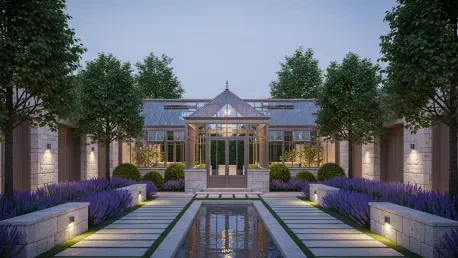
Beyond the requirements for entertainment, there is a growing emphasis on wellness and sustainability within the contemporary landscape, reflecting a broader trend toward health-conscious living. Clients are increasingly asking for specialized features like plunge pools, custom saunas, and organic vegetable gardens that promote a healthy lifestyle and self-care directly on their property. Greenhouses are also seeing a major resurgence in popularity, serving both as functional spaces for year-round horticulture and as elegant architectural accents. These structures provide a unique opportunity to blend glass and steel with lush greenery, creating a jewel-box effect that enhances the overall aesthetic of the property. By integrating these wellness-focused elements, the designer creates a sanctuary that supports the physical and mental well-being of the inhabitants. This approach transforms a standard backyard into a multi-functional retreat that offers everything from fitness and nutrition to quiet meditation, all within the privacy of the home’s boundaries.
Strategic Planning: The Importance of Professional Timing
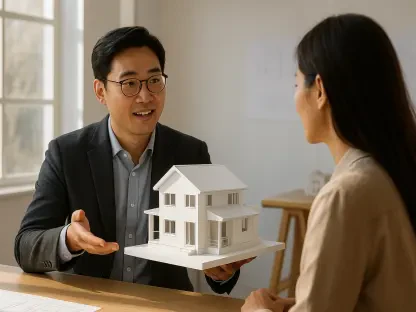
One of the most common mistakes homeowners make is waiting until the flowers are ready to bloom before involving a professional designer in their exterior project. Structural exterior work, such as masonry, pool installation, and large-scale planting, requires substantial lead time and careful logistical planning to execute correctly. Starting a project in early spring with the hope of using it by the arrival of summer is often unrealistic due to the complexity of modern construction schedules. Early consultation is vital for a successful outcome because it allows the design team to coordinate with architects and contractors during the initial phases of home building or renovation. This foresight ensures that utilities, drainage, and structural supports are integrated into the site before any decorative elements are considered. By aligning the design phase with the broader construction timeline, the project avoids costly mid-stream corrections and ensures that the final landscape feels like it was built in tandem with the home itself.
Professional intervention also helps bridge the gap between a client’s aspirational dream and the physical constraints inherent to a specific plot of land. The design process is often an exercise in creative problem-solving, managing everything from spatial balance and grading to the logistical hurdles of remote or difficult locations. A seasoned designer acts as a guide, helping the homeowner navigate the complexities of local zoning, soil conditions, and sun exposure to find the best placement for each feature. This expertise prevents common pitfalls, such as installing a pool in an area with poor drainage or selecting plants that cannot survive the site’s specific wind patterns. By managing these technical details, the designer ensures that the final result is not only aesthetically pleasing but also serves a clear, practical purpose for the people who live there. This professional oversight provides peace of mind, knowing that the investment is protected by sound engineering and thoughtful environmental analysis from the very beginning.
Investing in Quality: Structural Integrity and Intentionality
A quality over quantity mindset is essential when investing in a sophisticated outdoor space, as the fundamental infrastructure of the site determines its long-term success. Homeowners are advised to prioritize the structural integrity of permanent elements, like stone retaining walls, high-end swimming pools, or custom ironwork, over temporary decorative items. While it is safe to take creative risks with colorful pillows, perennials, or small accents that can be easily changed, the fundamental layout of the space should be built to stand the test of time. High-quality hardscaping provides the “bones” of the garden, offering a sense of permanence and weight that cheaper alternatives cannot replicate. When these primary elements are executed with precision and high-grade materials, they create a timeless foundation that remains elegant even as gardening trends shift. This focus on durability ensures that the property maintains its value and continues to provide a high-level aesthetic experience for decades without requiring major repairs.
Intentionality extends to the sensory experience of the garden as well, moving beyond the purely visual to engage the senses of sound, touch, and smell. Incorporating focal points, such as a perfectly placed sculpture or a grand specimen tree, provides a sense of direction and purpose to the landscape’s layout. Symmetrical arrangements and the soothing sound of running water from a fountain can transform a simple backyard into a sophisticated sanctuary that feels worlds away from the city. These details prevent a space from feeling haphazard or cluttered and instead create an atmosphere of deliberate luxury that encourages people to linger and enjoy the environment. The use of fragrant plantings near seating areas or soft-textured ground covers near walkways adds layers of depth to the outdoor experience. By carefully curating these sensory inputs, the designer crafts an environment that feels deeply personal and highly refined, ensuring that every moment spent outside is one of comfort and tranquility for the homeowner.
Actionable Integration: Lessons from Sophisticated Site Management
Investing in high-grade masonry became the standard for those seeking multi-generational value, as these structures survived fluctuating climate patterns while maintaining their visual integrity. Professional guidance suggested that the most effective way to start was by mapping out the structural bones of the land before selecting seasonal flora. Those who treated their property as a singular organism successfully bridged the gap between architectural rigidness and natural fluidity. This holistic perspective allowed for the integration of smart irrigation systems and low-impact lighting that adjusted to seasonal shifts automatically. Ultimately, the successful transition into sophisticated outdoor living required a shift in mindset where the landscape was treated with the same reverence as the home’s interior. These actionable strategies provided a roadmap for creating environments that were as durable as they were breathtaking, ensuring that the property remained a sanctuary for years. By focusing on the interplay of light and shadow, designers achieved a dramatic evening atmosphere that extended the home’s elegance long after the sun went down.