
The relentless advancement of sea-level rise has finally collided with the high-stakes world of New Jersey coastal real estate, forcing a dramatic re-evaluation of what luxury means in Ocean City. As the New Jersey Department of Environmental Protection implements the Resilient Environments and Landscapes rules, the landscape for high-end developers is shifting from purely aesthetic pursuits to a complex dance with environmental compliance. These regulations represent a fundamental change in how coastal communities approach construction, aiming to safeguard infrastructure against the projected five-foot rise in sea levels by the end of the century. For Ocean City, a town synonymous with pristine beaches and multi-million dollar summer homes, the stakes could not be higher. Property owners and prospective buyers are now forced to consider the long-term viability of their investments in ways that were previously ignored. This shift is not merely about surviving the next storm but about maintaining the economic engine that drives the Jersey Shore.
The Regulatory Landscape: Navigating New Compliance Standards
Inundation Risk Zones: Mapping the Elevation Mandates
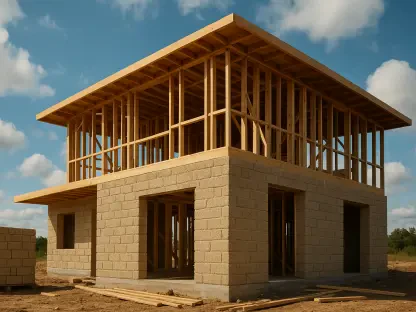
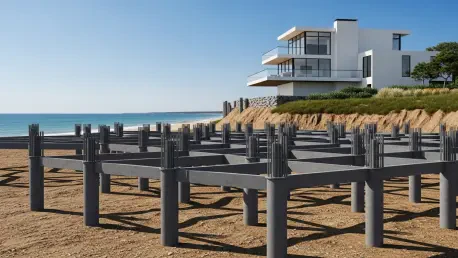
At the core of the new regulatory framework lies the creation of the Inundation Risk Zone, a designation that fundamentally redraws the map for permissible residential development in Ocean City. These zones are determined by sophisticated climate modeling that accounts for both current tidal flooding and future projections of extreme weather events. Under these mandates, new luxury constructions must adhere to significantly higher elevation requirements, often exceeding the existing local height limits that have defined the town’s silhouette for decades. This has created a friction point between state-level environmental goals and municipal zoning ordinances, as developers struggle to maximize square footage while staying within vertical constraints. The added height requirements necessitate more complex engineering solutions, such as reinforced pilings and advanced drainage systems, which add substantial premiums to the already soaring costs of waterfront property. Consequently, the entry barrier for new luxury projects has climbed significantly.
Ecological Constraints: Balancing Footprints and Permeability
Beyond simple elevation, the rules place strict limitations on the total footprint of impermeable surfaces, forcing a radical reimagining of how luxury estates utilize their valuable land. Traditional features like sprawling concrete patios, expansive driveways, and ground-level cabanas are being scrutinized or outright prohibited to ensure better water absorption during surge events. This restriction has sparked a new wave of innovation in high-end landscaping, where permeable pavers, rain gardens, and native salt-marsh vegetation are replacing manicured lawns. While these changes are intended to mitigate the overall flood risk for the community, they challenge the conventional luxury aesthetic that buyers in Ocean City have come to expect. Developers are now tasked with convincing wealthy clients that ecological resilience is a feature rather than a compromise. The result is a shift in market value where properties that successfully integrate these resilient features command a premium over older, more vulnerable structures.
Market Realignment: Resiliency as the New Luxury Standard
Architectural Innovation: The Rise of Structural Integrity
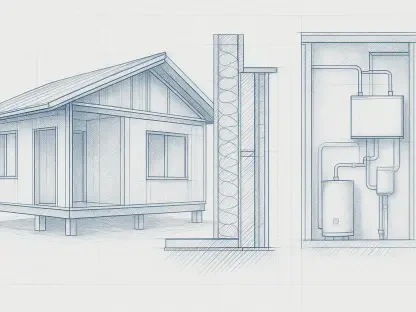
The architectural response to these environmental mandates has given rise to a new coastal resilient style that emphasizes utility without sacrificing the elegance typical of the Jersey Shore. Luxury architects in Ocean City are increasingly moving primary living spaces to the second and third floors, utilizing the ground level solely for parking and storage designed with breakaway walls. These designs often incorporate high-grade composite materials and specialized glazing systems that can withstand both heavy wind loads and corrosive saltwater spray. Inside these homes, the integration of smart home technology allows for real-time monitoring of local water levels and automated deployment of flood shields. This technological evolution represents a move away from passive protection toward an active, managed approach to coastal living. High-end buyers are increasingly prioritizing these features, viewing them as essential insurance policies for their lifestyle. The luxury market is thus transitioning from interior opulence to structural integrity.
Economic Stabilization: Long-Term Viability and Buyer Sentiment
Stakeholders across the real estate sector recognized that the successful adaptation to these rules required a proactive approach to both financing and long-term urban planning. Lenders and insurance providers adjusted their risk assessments to reward properties that exceeded the minimum state mandates, effectively creating a tiered market where resilience became a primary metric of value. Municipal leaders in Ocean City worked alongside environmental consultants to ensure that public infrastructure, including roads and utility lines, matched the elevation standards of private developments. This coordinated effort served to stabilize the tax base and reassure investors that the community remained a viable destination for long-term capital. Buyers who embraced these changes found that their properties held value better than those that relied on outdated construction methods. Ultimately, the transition focused on the necessity of integrating scientific projections into every stage of the development process, ensuring the shore’s economic future.