
The rugged hillsides of Duluth, overlooking the vast expanse of Lake Superior, have long defined the city’s character, but today they also represent a formidable barrier to the rapid residential development needed to house a growing population. For decades, the local housing market remained relatively static, matching a population that hovered around a steady plateau, but recent years have seen a surge in interest that the existing housing stock simply cannot accommodate. This shift has forced the Duluth City Council to confront the limitations of its Unified Development Chapter (UDC), a dense set of regulations that critics argue has become more of a hindrance than a safeguard. The current legislative push represents a pivotal transition in urban planning philosophy, signaling an intent to move away from the rigid, exclusionary zoning of the mid-20th century in favor of a flexible, market-responsive framework. By re-evaluating how land is utilized and who is permitted to build where, the city leadership hopes to resolve a crisis that saw a 2023 study project a need for at least 9,000 new units by 2035. This initiative is not merely a technical adjustment of setbacks or height limits but a fundamental rethinking of what a modern Midwestern city should look like in an era of demographic shifts and economic evolution. As the municipal government navigates these complex changes, the focus remains on whether these reforms can truly stimulate the construction of diverse housing types while maintaining the aesthetic and environmental integrity that makes Duluth a unique place to live.
Diversifying Housing Types: The Missing Middle Strategy
A primary focus of the proposed zoning overhaul is the legalization of fourplexes within areas previously restricted to single-family or traditional residential formats. This specific modification aims to address the significant shortage of what urban planners call “missing middle” housing, which describes the gap between isolated single-family homes and massive, high-rise apartment complexes. By allowing four separate units on a single residential lot, the city intends to increase density in established neighborhoods without radically changing their physical scale or character. Proponents argue that this approach allows for more efficient use of existing infrastructure, such as roads and water lines, while providing a variety of price points for residents who may not be able to afford a traditional standalone house. This strategy is particularly vital in Duluth, where the topography often makes large-scale suburban sprawl impossible, requiring the city to find creative ways to maximize the potential of its current footprint.
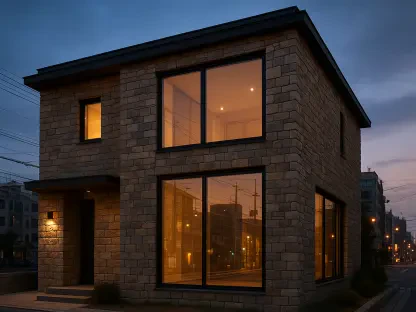
In addition to diversifying the number of units per lot, the city is moving to reduce minimum lot widths and decrease mandatory setbacks, which currently limit the buildable area on many properties. Duluth is famous for its “awkward” or non-standard parcels, often shaped by the steep inclines and rocky outcrops of the region, which frequently fall short of the current, more traditional requirements. By relaxing these standards, the city essentially increases the “buildable footprint” for developers and private homeowners alike, making it feasible to construct smaller, high-quality homes on land that was previously deemed unusable. These technical adjustments are designed to remove the geographic barriers to entry, encouraging infill development that fills the gaps in the existing urban fabric. This focus on small-scale density is expected to foster more walkable neighborhoods, as higher concentrations of residents can better support local businesses and public transit systems, creating a more interconnected and resilient community.
Vertical Growth: Expanding the Urban Core
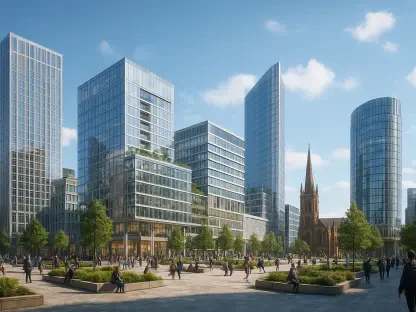
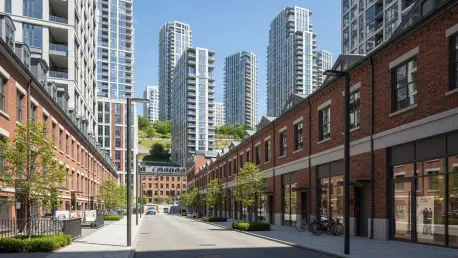
As the demand for residential space continues to outpace the available land, the city council is also considering significant increases to the maximum allowable heights for buildings in the downtown core and high-density districts. This vertical expansion is viewed as a necessary solution for the most expensive and land-scarce parts of the city, where building upward is the only viable method for adding substantial unit counts. By allowing taller structures, Duluth aims to attract larger investment projects that can accommodate hundreds of residents in a single city block, thereby reducing the pressure on surrounding residential neighborhoods. This move toward verticality is not just about numbers; it is about creating a vibrant, 24-hour urban center where people can live, work, and recreate in close proximity. Increasing the height limits also serves as a signal to the development community that Duluth is ready to grow and is willing to accommodate the modern architectural designs that define successful contemporary cities.
The economic logic behind encouraging verticality is rooted in the high costs associated with land acquisition and site preparation in a city characterized by its rugged terrain. When a developer can spread the fixed costs of a project over a larger number of residential units, the overall financial feasibility of the project improves, potentially leading to more competitive rental and sale prices. This market-driven approach is a departure from previous decades when height restrictions were strictly enforced to preserve specific sightlines or maintain a more low-slung urban profile. However, city planners now recognize that without allowing for greater density in the core, the housing shortage will continue to drive prices upward, pushing the workforce further into the outskirts of the region. By prioritizing vertical growth, the city hopes to capture the energy of the current market and turn it into a tangible expansion of the residential supply, ensuring that the heart of Duluth remains an accessible hub for everyone.
Administrative Reform: Implementing By-Right Development
Mayor Roger Reinert has been a vocal advocate for these zoning changes, championing a philosophy that emphasizes the construction of “all kinds of housing in all places.” This perspective is central to a broader effort to reform Duluth’s administrative reputation, which some developers have historically viewed as being overly bureaucratic or difficult to navigate. The Mayor’s administration is pushing for a streamlined process that prioritizes “by-right” development, where a project can proceed as long as it adheres to established zoning codes without requiring excessive special permissions. Currently, many creative or high-density projects are bogged down by the need for special-use permits, a process that can add months of delay and thousands of dollars in legal and consulting fees. By moving toward a more predictable and transparent system, the city aims to reduce the risk for developers, making Duluth a more attractive destination for regional and national investment.
The shift toward by-right development represents a fundamental change in how the planning department interacts with the community and the building industry. Instead of acting as a constant gatekeeper for every individual project, the city is setting clear, comprehensive rules upfront, allowing the market to respond within those defined parameters. This approach is intended to foster a more dynamic environment where smaller, local developers can also participate in the housing market without being overwhelmed by the complexity of the permitting process. By simplifying the design standards and reducing the reliance on discretionary approvals, the city council hopes to encourage a wider variety of architectural styles and housing formats. This administrative streamlining is seen as a crucial component of the overall strategy to fix the housing shortage, as even the most progressive zoning laws are ineffective if the process of actually obtaining a building permit remains an insurmountable hurdle for many.
Legislative Deliberation: Navigating Council Concerns
While the general necessity of addressing the housing crisis is widely accepted among city leaders, the specific details of the UDC modifications have sparked meaningful debate within the City Council. One area of particular concern involves the lack of mandated residential components for new high-rise developments, with some council members expressing worry that developers might prioritize commercial or office space over much-needed housing. These representatives have argued that without specific requirements, the city might miss a historic opportunity to secure residential units in prime locations. However, administrative staff and market analysts suggest that the current economic climate, characterized by high commercial vacancy rates, already provides a natural incentive for developers to focus on residential projects. They contend that government mandates could inadvertently stall projects by making them financially unviable, whereas a flexible approach allows the market to provide the housing that is clearly in demand.
Public sentiment regarding the pace of these reforms has also played a significant role in the ongoing legislative discourse, reflecting a tension between urgency and transparency. Leaders from the local business community and various non-profit organizations have largely thrown their support behind the zoning changes, viewing them as an essential engine for regional economic growth and social stability. At the same time, some residents have voiced concerns that the public input process felt rushed, particularly given the transformative nature of the proposed changes to established neighborhoods. Critics have called for more extensive community engagement to ensure that the move toward higher density does not overlook the concerns of long-term residents regarding parking, traffic, and neighborhood identity. These discussions highlight the difficult balance the council must strike between the immediate, pressing need for thousands of new homes and the democratic responsibility to include the voices of those who will be most affected by the changing urban landscape.
The Path Forward: Resilience and Implementation
The final adoption of these zoning modifications was preceded by intensive study and technical revisions, particularly concerning the city’s unique environmental standards and building requirements. A central feature of the implementation strategy involved a point system designed to evaluate the sustainability and energy efficiency of new construction projects. This system was intended to ensure that the rapid increase in housing density would not come at the expense of the city’s long-term ecological goals or its commitment to climate resilience. Council members spent considerable time refining the language of these mandates to ensure they were rigorous enough to protect the environment while remaining flexible enough to avoid discouraging new development. This careful calibration was seen as essential for building a city that was not only denser but also more energy-efficient and better prepared for the environmental challenges of the future, particularly in a climate as demanding as Northern Minnesota’s.
The decision to move forward with the Unified Development Chapter modifications represented a historical pivot for the city of Duluth. Local leaders recognized that the traditional zoning models of the past were no longer sufficient to meet the needs of a modern workforce and an evolving population. By opting for a more permissive regulatory environment, the city established a foundation for sustainable growth that prioritized density and housing diversity over the preservation of an outdated status quo. The legislative body eventually reached a consensus that acknowledged the necessity of compromise between rapid construction and environmental stewardship. Ultimately, the successful adoption of these reforms demonstrated a collective commitment to ensuring that the city remained an accessible and thriving hub for all residents. As the new rules took effect, the focus shifted toward monitoring their real-world impact and ensuring that the promise of more affordable, accessible housing became a reality for the community.