
The rapid evolution of interior design has recently shifted toward a profound appreciation for organic materials and timeless aesthetics that prioritize comfort over clinical perfection. This shift is largely driven by a desire to reconnect with nature while maintaining the high standards of modern luxury that define the current era. Lia Gold has emerged as a pivotal figure in this movement, successfully translating the sun-drenched allure of the Mediterranean into diverse residential contexts. By moving away from the cold minimalism that dominated the early 2020s, the current design philosophy emphasizes warmth, texture, and a sense of history. This approach is not merely about replicating a coastal villa but about distilling the essence of European leisure into a functional reality for urban and suburban dwellers alike. Through a careful selection of palettes and structural choices, a new standard for home environments is being established that balances high-end sophistication.
Aesthetic Balance: Raw Textures and Modernity
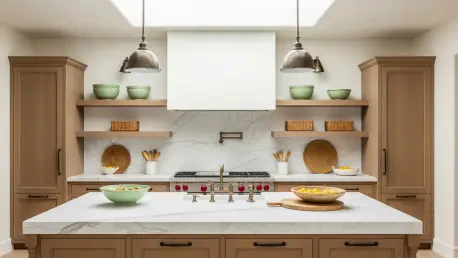
Central to the aesthetic transformation brought about by this design philosophy is the strategic use of tactile surfaces that evoke the rugged beauty of the Italian and Greek coastlines. Instead of the polished, reflective surfaces that once defined modern kitchens and bathrooms, there is a visible pivot toward lime-wash finishes, tumbled stone, and reclaimed timber. These materials are selected not just for their visual appeal but for their ability to age gracefully, developing a patina that tells a story over time. Lime-wash walls provide a depth and movement that flat paint cannot replicate, creating a soft backdrop that interacts dynamically with changing natural light throughout the day. By incorporating these raw elements, designers are able to soften the sharp angles of contemporary architecture, making large spaces feel more intimate and grounded. This tactile approach invites residents to engage with their surroundings on a sensory level, reinforcing the home as a sanctuary.
Building on this foundation of materiality, the Mediterranean style currently being popularized relies heavily on a palette of sun-bleached neutrals punctuated by deep, earthy accents. While white remains a staple for its ability to reflect light and expand space, it is now frequently paired with warm terracottas, sage greens, and ochre tones that mirror the natural landscape. These colors are applied through artisanal ceramics, hand-woven textiles, and bespoke furniture pieces that emphasize craftsmanship over mass production. The integration of such elements ensures that the home does not feel like a museum, but rather a vibrant space that reflects the personality and heritage of its inhabitants. Furthermore, the inclusion of wrought iron hardware and arched doorways introduces a structural rhythm that breaks the monotony of standard floor plans. This thoughtful orchestration of color and form results in an environment that feels both curated and effortless for any homeowner.
Architectural Flow: Light and Outdoor Living
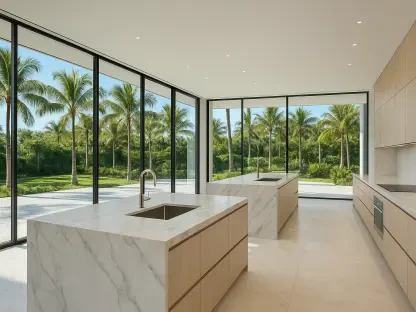
A defining characteristic of this revived Mediterranean influence is the radical prioritization of natural light and the physical blending of indoor and outdoor environments. In current architectural practices, large-scale steel-framed windows and glass walls are being used to erase the boundaries between the living room and the garden or terrace. This design choice is more than just an aesthetic preference; it is a lifestyle adjustment that encourages a more fluid way of occupying space. By treating the outdoor area as a direct extension of the interior, homeowners can enjoy a heightened sense of freedom and a constant connection to the elements. This approach naturally leads to the creation of outdoor rooms equipped with high-durability fabrics and weather-resistant masonry that mirror the quality of interior furnishings. The result is a home that feels expansive and airy, capturing the essence of coastal living regardless of the actual geographic location or local climate conditions.
The adoption of these Mediterranean principles eventually reached a point where the focus shifted toward long-term sustainability and the intelligent use of space. Homeowners who sought to implement these changes realized that true luxury stemmed from the harmony between traditional design and discreet technological advancements. Throughout the recent period, the emphasis was placed on selecting materials that required minimal maintenance while providing maximum thermal efficiency, such as stone walls and high-performance glazing. For those looking to replicate this success, the most effective strategy involved investing in high-quality architectural basics before layering in decorative elements. It was determined that focusing on structural authenticity yielded better results than superficial styling. Future considerations for residential design remained rooted in the idea that a home should adapt to its environment. These steps ensured a lasting legacy for the Mediterranean trend.