
The dramatic transformation of a neglected landscape into a vibrant center for social interaction represents a pivotal shift in how residents of Big Lake perceive and utilize their shared public resources. For too long, the potential of Jordan Lake Park remained untapped, hidden beneath layers of environmental decay and institutional inertia that left the area largely forgotten by the local population. Over the last eighteen months, however, a strategic redesign initiative has successfully turned this once-marginalized plot into the town’s premier gathering spot. This massive undertaking was not merely a construction project but a profound collaborative effort involving dedicated local volunteers, regional businesses, and government officials working toward a common vision of social connection. By actively reclaiming a discarded wasteland and molding it into a burgeoning recreational hub, the community has demonstrated that grassroots organizing can effectively overcome substantial logistical and financial hurdles.
Evolution and Early Challenges
From a Historical Dumping Ground: A Strategic Opportunity
Jordan Lake Park was officially established in 2002, yet its journey toward becoming a central gathering spot for the community was delayed for decades due to a combination of inconsistent funding and a lack of clear development goals. In those early years, local leadership struggled to secure the necessary resources to transform the raw acreage into a functional public space, resulting in a site that existed more in name than in practical utility. Although basic features like a walking path were eventually introduced to encourage foot traffic, the majority of the property remained in a state of arrested development, failing to capture the local imagination.
A significant portion of the property, specifically a 4.5-acre section located in the southeast corner, eventually devolved into an unofficial dumping ground where construction debris and junk accumulated over time. Despite various investment phases occurring from 2026 to 2028, the area struggled under the weight of persistent neglect. This meant that a vast majority of local residents remained entirely unaware that this expansive acreage was even available for use. This disconnect between the park’s potential and its actual condition highlighted the urgent need for a new management approach.
Overcoming Environmental Obstacles: The Master Plan
The recent momentum for comprehensive development was triggered by an environmental challenge involving the seasonal drainage of Jolly Creek. During the spring months, runoff often threatened to erode the landscape, creating a potential infrastructure nightmare for borough officials. Rather than permitting the park to be further degraded by a simple ditch, local committee leaders intervened to propose a more sophisticated, master-planned solution that addressed water management while prepping the land. This proactive management strategy effectively turned a looming maintenance liability into a cleared, viable landscape.
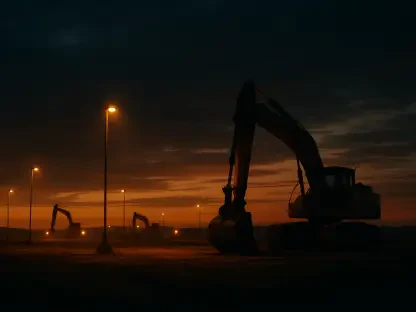
Working in close partnership with the Mat-Su Borough, the community implemented a solution that managed water flow while simultaneously providing space for recreation. The resulting cleanup effort saw the removal of tons of accumulated refuse and hazardous materials, providing a clean slate for the park’s most ambitious expansion. This effort proved that environmental challenges can be powerful catalysts for positive change. By turning a maintenance issue into the foundational bedrock for the site’s rejuvenation, the project demonstrated the value of collaborative problem-solving in public works.
The Future of Community Engagement
Realizing a Modern Recreational Hub: Public Support
The park has undergone a visible metamorphosis, featuring professional-grade pickleball courts and expansive stretches of newly hydroseeded grass that have replaced the rugged, debris-strewn terrain of the past. These significant upgrades were completed on a lean budget of approximately $70,000, a feat made possible only through the immense generosity of the community. Local contractors stepped forward to provide essential heavy equipment and skilled labor, effectively tripling the value of the funds raised. This spirit of cooperation ensured that the project moved forward rapidly.
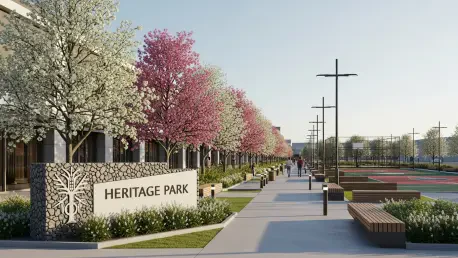
Strategic landscaping, including new safety fencing and a protective buffer of flowering trees, now offers an inviting aesthetic that distinguishes the area from its former state. These changes have created a safe, clean, and welcoming environment for families to congregate and recreate. The transition from a neglected field to a modern recreation center highlights the efficiency of public-private partnerships in delivering high-quality amenities. By leveraging local resources, the committee has established a high standard for future public works projects within the borough.
Cultivating Sustainable Growth: Future Advocacy
Looking forward, the committee envisions the park as the centerpiece of a walkable downtown corridor, featuring a public amphitheater, outdoor fitness stations, and multi-use sports courts. To realize this vision, organizers are shifting their focus toward securing major foundation grants to cover the estimated $500,000 cost of the next phase. These planned amenities aim to provide a comprehensive recreational experience that caters to residents of all ages, hosting concerts and events. The goal is to move beyond simple recreation and create a hub that enhances the quality of life for all Big Lake residents.
The success of the Jordan Lake Park project ultimately resided in the community’s ability to demonstrate widespread support through letters of advocacy during the grant process. Proponents recognized that proving local buy-in was essential to convince donors that the project had the full backing of the citizens it intended to serve. As the park entered its next chapter, the collaborative spirit that defined its creation provided a sustainable model for all future community initiatives. This shared journey ensured that the space remained a source of pride and connection for everyone.