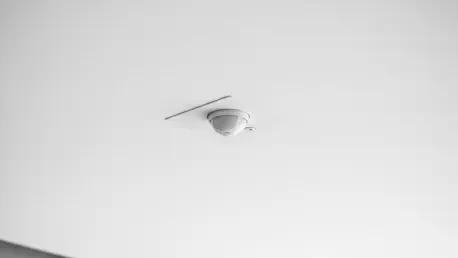

The inherent conflict between sophisticated smart home technology and the uncompromising aesthetic standards of luxury modern architecture has reached a critical turning point as homeowners demand both seamless performance and visual purity. In the current landscape of residential design, the presence of bulky keypads and protruding tablets is often viewed as a significant detraction from the architectural intent of a space. To mitigate this tension, specialized mounting solutions have emerged that focus on the concept of invisible integration, allowing high-performance hardware to exist within a home without overwhelming its interior décor. By prioritizing flush-mounted designs that align perfectly with walls and ceilings, it becomes possible to maintain the visual flow of a room while ensuring that every digital control remains easily accessible. This shift represents a move away from technology as a focal point and toward a philosophy where hardware serves as a quiet extension of the environment.
Engineering for Modern Architecture
Achieving a truly flush finish requires an extraordinary level of precision during the manufacturing process to ensure that each housing unit fits the specific electronic device perfectly. Engineers develop custom enclosures that account for minute differences in device dimensions, heat dissipation, and necessary wiring clearance. When technology is mounted into surfaces like drywall or wood, even a millimeter of misalignment can disrupt the visual continuity of the wall. To prevent this, the use of high-quality materials and rigorous testing protocols ensures that the transition between the technology and the surrounding architecture is virtually imperceptible to the naked eye. This meticulous attention to detail allows the hardware to disappear into the surface, creating a minimalist environment that appeals to both homeowners and interior designers. By eliminating the visual noise of traditional surface mounts, these solutions allow the architectural features of the home to remain the primary focus.
Materiality: Adapting to Diverse Architectural Surfaces
Achieving a seamless transition between technology and a wall requires more than a precise cut; it necessitates a deep understanding of the unique properties of various architectural materials. Whether a project utilizes standard drywall, reclaimed wood, or solid slabs of marble, the mounting hardware must be engineered to provide a stable foundation for the electronics. This adaptability is crucial in luxury homes where high-end finishes are the norm and any imperfection is immediately noticeable. Custom-engineered mounts account for the thickness and texture of these materials, ensuring that the device remains perfectly flush with the surface regardless of the medium. This level of material integration allows the technology to become a quiet participant in the room’s design rather than a disruptive element. By respecting the integrity of the surface, these solutions empower architects to maintain their creative vision without having to compromise on the inclusion of modern smart home features and controls.
Strategic Alliances: Synchronizing with Product Cycles
A major component of remaining relevant in the technology sector is the ability to maintain speed-to-market capabilities that align with the release cycles of major electronics brands. By forming deep strategic partnerships with industry leaders such as Crestron, Lutron, and Savant, it is possible to develop mounting solutions in tandem with the latest hardware releases. This synchronization ensures that when a new touchpanel or control interface hits the market, a corresponding flush-mount solution is already available for professional installers. Such collaborations reduce the waiting period for homeowners who want the most advanced technology without sacrificing the clean lines of their interior design. The coordination between hardware manufacturers and mounting specialists allows for a more holistic approach to home automation, where the device and its housing are seen as a single system. This partnership model is essential for maintaining a competitive edge in a market where consumers expect both cutting-edge function and immediate availability.
Installation Efficiency: Simplification for the Professional
The efficiency of the installation process is a primary concern for professional integrators who often work under tight deadlines in complex construction environments. By providing mounts that are intuitive to install, the complexity of adding flush-mounted technology to a home is greatly reduced, which helps to prevent errors during the build. Specialized housing designs often include features that simplify the wiring and cooling of devices, ensuring that they perform reliably over the long term without the risk of overheating. This practical approach to engineering not only saves time on-site but also results in a more professional and durable finish that meets the high expectations of luxury homeowners. When the installation process is predictable and repeatable, it becomes much easier for developers to scale these solutions across large residential projects. Ultimately, providing a high-quality finished look that is easy to achieve is what separates professional mounting solutions from more makeshift or customized alternatives.
Bridging Functionality and Design
While interface control panels are the most visible aspect of smart home technology, the scope of invisible integration extends far into the fundamental infrastructure of the building. Modern luxury homes require an array of sensors, thermostats, and networking equipment that can easily clutter a room if not managed correctly. Specialized mounts for climate control systems, such as those from Airzone, allow these essential utilities to be tucked away discreetly while maintaining full functionality. Similarly, universal access point mounts for Wi-Fi connectivity ensure that high-speed internet remains available throughout the property without the need for unsightly routers or antennas to be visible on walls or ceilings. This expansion into utility mounting demonstrates a commitment to hiding every technical component, regardless of its primary function. By treating infrastructure as something that should be felt rather than seen, designers can create spaces that feel more organic and less like a technical laboratory.
Ecosystem Neutrality: Supporting Multi-Brand Integration
One of the defining characteristics of a high-end smart home is the use of multiple platforms that must work together harmoniously, often requiring a neutral approach to hardware mounting. By developing solutions that are not tied to a single brand, it is possible to integrate diverse systems like Sonos audio, Control4 lighting, and specialized security components into a unified aesthetic. This neutrality is an essential tool for system integrators who must accommodate the specific preferences of their clients while maintaining a consistent visual standard throughout the home. Providing a universal mounting language ensures that a light switch from one manufacturer and a touchscreen from another can share the same flush-mounted look. This flexibility prevents the technology choices from dictating the interior design, allowing the homeowner to select the best-performing devices for their needs. As the number of smart home devices grows, the ability to harmonize these disparate elements through a common mounting strategy remains a key factor.
Industry Standards: Engaging the Specification Community
Maintaining a strong presence at major industry events, such as the CEDIA Expo, remains a vital strategy for fostering growth and gathering essential feedback from the professional community. These gatherings serve as a primary venue for connecting with the architects, IT professionals, and system integrators who are responsible for the blueprints of luxury properties. Because the true value of a flush-mounted solution is difficult to convey through digital brochures alone, the physical experience of interacting with the products is crucial. Seeing the precision of the fit and feeling the quality of the materials helps to build the necessary confidence among specifiers who are wary of products that might complicate a project. Direct engagement on the show floor allows for deep-dive discussions into the technical challenges faced by installers in the field. These conversations provide research teams with invaluable real-world data that is used to refine existing products and influence the design of future housing solutions.
Strategic Implementation: Best Practices for Luxury Projects
The successful implementation of invisible technology required a fundamental shift in how professional specifiers approached the early stages of the design process. Integrators who prioritized the selection of flush-mounting solutions during the initial blueprint phase found that they could eliminate many of the aesthetic hurdles that typically plagued luxury smart home projects. This proactive strategy allowed for the seamless installation of hardware in complex materials like marble and custom woodwork, which previously presented significant challenges for traditional mounting methods. Industry experts recommended that designers established a standardized set of mounting criteria for all technical utilities to ensure a cohesive visual appearance across the entire residence. By adopting these invisible solutions, the trade community successfully reduced visual clutter while enhancing the overall value of the property for the homeowner. Ultimately, the transition toward concealed hardware proved that high-performance technology and minimalist architecture could coexist.