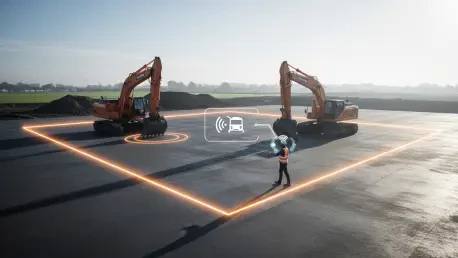

The construction industry is currently standing at a critical crossroads where the traditional methods of managing site safety have proven insufficient to stem the rising tide of workplace fatalities and severe injuries. For decades, safety management has relied on manual inspections and paper-based reporting systems that often record hazards only after an incident has occurred, creating a reactive culture that fails to protect workers in real-time environments. This outdated approach treats compliance as a bureaucratic box-ticking exercise, where the primary goal is often avoiding regulatory fines rather than ensuring the physical well-being of the workforce on the ground. To reverse these troubling trends, the industry is witnessing a shift toward the integration of Internet of Things technology, which promises to replace human error and delayed responses with an automated framework that transforms safety from a static requirement into a dynamic, proactive shield for every laborer on site.
Implementing Proactive Monitoring Solutions
Real-Time Detection of Environmental Hazards
One of the most significant advancements in modern construction safety is the deployment of environmental sensors that detect hazards often invisible to the naked eye or unnoticeable until they reach dangerous levels. These IoT devices are capable of monitoring ambient noise, air particulate matter, and structural vibrations with high precision, providing site supervisors with instantaneous alerts through cloud-connected dashboards. When a specific threshold is exceeded, such as a spike in carbon monoxide or a sudden increase in seismic activity during excavation, the system can automatically trigger alarms or shut down machinery to prevent exposure or collapse. This level of immediate feedback eliminates the dangerous time lag associated with manual data collection and periodic site walkthroughs. By maintaining a constant digital pulse on the environment, construction firms can mitigate long-term health risks for workers and ensure that every individual operates within a controlled, safe atmosphere throughout the workday.
Digital Security and Access Control Systems
The convergence of site security and worker safety is further enhanced by the implementation of smart access controls and high-definition remote monitoring systems that protect both personnel and assets. Security is no longer viewed merely as a means to prevent the theft of expensive machinery; it has evolved into a fundamental component of a company’s broader duty of care to its employees and the public. Modern IoT-enabled CCTV systems utilize facial recognition and geofencing to ensure that only certified operators can enter high-risk zones or use specialized equipment. These systems prevent unauthorized individuals from inadvertently wandering into hazardous areas, particularly during off-hours or during complex staging operations. Furthermore, integrated access logs provide an indisputable record of who is on-site at any given time, which is crucial for emergency evacuations and accountability. This unified visibility ensures that the physical boundaries of the construction site remain a secure barrier against both external threats and internal safety violations.
Wearable Technology and Personal Health Monitoring
The integration of wearable technology represents a critical advancement in personal safety, allowing for the direct monitoring of worker health and movement in high-stress environments. Smart vests and wristbands can track heart rate, body temperature, and fatigue levels, alerting both the wearer and the medical staff if signs of heat exhaustion or physical overexertion are detected. These devices often include fall-detection sensors that can immediately transmit the exact GPS coordinates of an injured worker to emergency response teams, drastically reducing the response time in the event of an accident. This level of personalized monitoring ensures that help arrives as quickly as possible, which is often the difference between a minor injury and a permanent disability. Moreover, the data gathered from these wearables helps firms adjust work schedules and rest intervals based on actual physiological demands rather than arbitrary guidelines. This approach humanizes the digital job site by prioritizing the physical limits of the workforce while maintaining high levels of operational efficiency.
Strengthening Oversight and Financial Stability
AI-Driven Risk Mitigation and Behavioral Analysis
Artificial Intelligence has introduced a sophisticated layer of digital oversight that complements human supervision by identifying behavioral risks and safety non-compliance in real-time. Smart cameras equipped with computer vision algorithms can now detect if workers are failing to wear personal protective equipment, such as helmets or high-visibility vests, or if they are entering restricted machinery swing radii. These AI-driven systems provide an objective, tireless eye that covers the entire job site, highlighting potential dangers that a human foreman might miss during a busy shift. By documenting these near-misses and safety deviations in a centralized database, project managers can identify patterns of risky behavior and implement targeted training sessions to address specific weaknesses. This technological intervention not only prevents immediate accidents but also builds a robust audit trail that reduces legal liability. The ability to demonstrate a proactive, data-backed approach to safety is becoming a standard for major contracts.
Centralized Data Management and Cloud Platforms
Adopting a unified, cloud-based platform for safety data management eliminates the fragmented communication silos that frequently lead to catastrophic failures on complex construction projects. When every sensor, camera, and wearable device feeds into a single source of truth, decision-makers gain a comprehensive overview of the site’s health and safety status without having to sort through disparate spreadsheets or paper logs. This centralization facilitates better coordination between subcontractors, site managers, and external stakeholders, ensuring that everyone is working from the same real-time information. Beyond the moral imperative to save lives, there is a compelling financial logic behind this digital transformation, as workplace accidents currently drain billions from the global economy through lost productivity, legal settlements, and project delays. By investing in IoT infrastructure, construction companies are effectively future-proofing their operations against the high costs of negligence. The shift toward a data-centric safety model ensures that profitability and worker protection are no longer seen as competing interests.
Strategic Evolution: Future-Proofing Industry Standards
The transition from reactive safety procedures to an IoT-driven proactive model proved to be a necessary evolution for a construction industry that had long struggled with preventable casualties. Companies that prioritized the implementation of real-time monitoring and AI oversight realized substantial improvements in both incident rates and operational transparency. To build on this progress, stakeholders should have prioritized the standardization of data protocols to ensure that safety devices from different manufacturers could communicate seamlessly within a single ecosystem. It was essential for firms to invest in comprehensive digital literacy training for their staff to ensure that every worker understood how to interact with and benefit from these new technologies. Regulators were encouraged to provide incentives for the adoption of smart safety systems, moving beyond simple fines toward a partnership focused on continuous improvement. These steps ensured that the industry moved toward a standard where data-driven insights informed every safety decision.