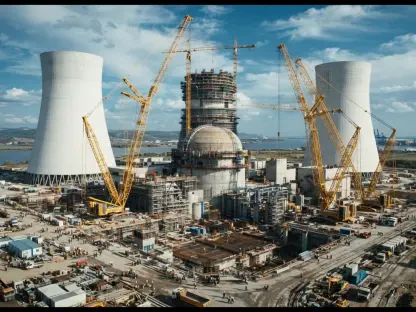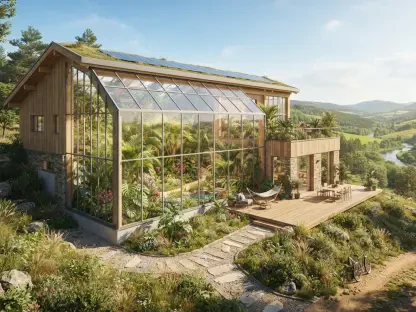

Modern urban development now rests on the foundation of a sophisticated financial architecture that prioritizes environmental resilience as much as it does physical construction. This shift indicates that affordable housing requires long-term sustainability to succeed. By integrating climate-conscious strategies into funding, leaders are tackling climate change and housing scarcity. The roadmap focuses on strategic financial partnerships that move toward a resilient future.
The Evolution of ESG-Linked Financial Instruments
Growth Statistics and the Shift Toward Green Lending
The adoption of sustainability-linked loans has surged as ESG criteria become central to investment. Financial institutions use these instruments to de-risk portfolios against climate volatility, moving toward consultative alliances that guide environmental goals. This transition has changed lending from a simple transaction into a long-term strategic partnership.
Real-World Application: The VIVID and Barclays Partnership
The £300 million commitment between VIVID and Barclays fuels the Victory Quay project in Portsmouth. This development of 835 homes integrates sea wall infrastructure to protect affordable units from coastal flood risks. It demonstrates how capital can be used to solve environmental and social challenges simultaneously.
Perspectives from Industry Leaders
VIVID’s Strategic Vision
Mike Shepherd balances the need for new homes with environmental protection. This ensures expansion does not compromise safety in high-risk coastal areas. His focus remains on the long-term viability of the housing stock.
The Financial Sector’s Role
Mike Figg notes that Barclays provides stable capital and expertise. This allows developers to test innovative sustainability initiatives beyond the balance sheet. This relationship provides the security needed for large-scale urban experiments.
The Consensus on Community Stability
Shared visions between lenders and developers lead to higher-quality places. This alignment ensures residents have access to durable homes that support social stability. When goals match, the final construction serves the public interest better.
The Future Landscape of Sustainable Social Housing
Anticipated Developments
From 2026 to 2028, green financing will scale to support urban regeneration. These efforts aim to modernize neighborhoods with a focus on carbon neutrality. This expansion marks the next phase of national housing development.
Benefits and Implications
Resilient housing drives health and economic benefits. It helps the nation meet carbon targets while lowering utility costs for families. Moreover, it strengthens the local economy by creating jobs in green construction.
Potential Challenges
Developers face high costs and evolving regulations. Standardizing metrics remains a complex hurdle that requires industry coordination. However, overcoming these obstacles is necessary for the sector’s growth.
Long-Term Evolution
Partnerships are shifting toward holistic community-building. The industry is moving toward creating ecosystems that prioritize resident well-being over simple unit counts. This evolution defines the new standard for social infrastructure.
Conclusion: Bridging Finance and Environmental Resilience
The integration of sustainability-linked models successfully transformed social housing delivery. Deeply consultative partnerships established a foundation for climate-ready homes. By prioritizing viability, the sector ensured that communities were equipped for environmental shifts. These innovations proved that social responsibility and fiscal stability were linked. Future initiatives relied on these established frameworks to expand green housing networks nationwide. Success was defined by the ability to harmonize financial growth with the protection of the natural world.