
The sleek, monochromatic aesthetic that once dominated luxury outdoor spaces is rapidly losing its appeal as homeowners and designers prioritize biodiversity over the artificial perfection of the “all-white” garden. This transition represents a significant departure from the trend of treating the backyard as a mere extension of a minimalist living room, where every petal was expected to remain pristine and every leaf was trimmed into submission. Instead of sterile environments that require heavy chemical intervention and constant maintenance, the industry is embracing a philosophy that values the inherent messiness and vitality of the natural world. By the summer of 2026, the demand for high-contrast, bleached landscapes has plummeted, replaced by a sophisticated understanding of how light, texture, and ecological function interact to create truly restorative environments. This movement away from the “white-out” era reflects a broader societal shift toward environmental responsibility and a deep-seated desire for sensory authenticity.
Native Heritage and Ecological Stewardship
Restoring Local Flora and Natural Life Cycles
The Native Heritage movement centers on the intentional restoration of plant species that thrived within specific regional microclimates prior to the mass industrialization of residential landscaping. This approach moves beyond simple aesthetics, treating the soil as a living canvas that honors the deep history of the land rather than a blank slate for imported exotics. By reintroducing indigenous varieties, designers are successfully rebuilding fragmented ecosystems that support local songbirds, specialized pollinators, and beneficial insects that have been pushed to the brink by suburban sprawl. This ecological stewardship requires a shift in mindset, where the gardener accepts that a healthy garden is one that is being eaten by the life it supports. The focus has moved away from the human-centered desire for a static, picture-perfect frame toward a dynamic landscape that serves a higher purpose within the biosphere. These gardens are functional habitats for various native species.
Valuing the Beauty of Seasonal Transitions
Utilizing a palette rooted in local geology and geography, current designs frequently incorporate hardy species like Blue Stocking Bee Balm and Purple Coneflower to anchor the visual composition. In regions such as the Hudson Valley, this strategy results in a sophisticated blend of soft prairie greens, wetland reds, and the dapple of dusky purples and golds typically found in unmanaged native meadows. These colors do not compete with the environment but rather seem to emerge directly from the earth, providing a visual grounding that white-dominated gardens often lack. By allowing plants to go to seed and embracing the architectural beauty of winter skeletons, designers are proving that there is as much elegance in the brown and silver tones of decay as there is in the vibrant greens of spring. This recognition of the full life cycle allows for a garden that feels permanent and established, reflecting the true character of the region while reducing the carbon footprint.
Green Drenching and the New Minimalism
Emphasizing Texture and Movement Through Foliage
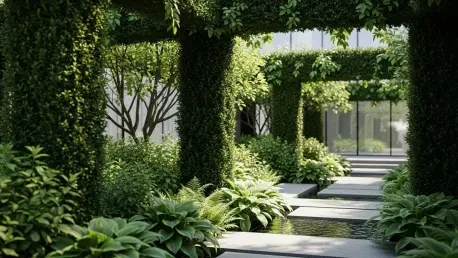
For many who still appreciate the clean lines and understated elegance of minimalism, the move away from all-white palettes has led to the rise of Green Drenching. This design strategy involves the saturation of a space with varying shades of emerald, moss, and forest green to create a monochromatic yet deeply textured sanctuary. Unlike the starkness of a white garden, which can feel cold and uninviting under the high midday sun, a green-on-green approach absorbs light and creates a cool, immersive atmosphere that lowers ambient temperatures. The success of this style depends on the sophisticated layering of foliage shapes—from the fine, needle-like textures of evergreens to the broad, glossy leaves of hostas. By focusing on the endurance of the leaf rather than the fleeting spectacle of a flower, homeowners are finding that their outdoor spaces maintain a high level of visual interest year-round without the constant need for deadheading or specialized fertilizers.
Incorporating Structure With Hardy Greenery
Structural elements play a vital role in maintaining the intentional, tidy appearance that modern minimalist enthusiasts crave, but they are now being executed through hardy, long-lived greenery. For instance, the use of Feather Falls Carex provides a cascading fountain effect that introduces movement into the garden, catching the slightest breeze and softening the hard edges of contemporary architecture. Similarly, the Stonehenge Skinny Yew offers a verticality that provides privacy and structure without the expansive footprint of traditional hedging. These plants offer a sense of order that feels integrated into the natural world rather than forced upon it, satisfying the human psychological need for pattern and symmetry. Because these green palettes do not rely on high-contrast colors to make a statement, they allow the eye to rest, making the garden an ideal refuge for those seeking relief from the visual noise of the digital age. It is a quiet and deeply lush landscape.
Weathered Tones for Sensory Relief
Calming the Nervous System with Dimmed Palettes
The pervasive influence of digital screens and high-intensity artificial lighting has led to an increased demand for outdoor environments that offer genuine sensory relief. Designers are increasingly turning to weathered or dimmed color palettes—featuring soft mauves, dusty lavenders, and shimmering silvers—to create a calming effect on the human nervous system. These hues mimic the natural diffusion of light found in deep woodlands or coastal mists, effectively reducing visual glare and inviting the viewer to slow down and engage in more mindful observation. Unlike the high-contrast brightness of the white-out era, these subtle tones do not demand immediate attention; instead, they slowly reveal their complexity as the light shifts throughout the day. This shift toward a more muted spectrum reflects a growing understanding of how environmental factors influence mental well-being, turning the backyard into a therapeutic tool for managing the everyday stresses of modern life.
Establishing Historical Depth Through Muted Hues
To provide depth and a sense of historical continuity, these weathered schemes often integrate soft peach highlights alongside the deep, earthy tones of bronze and burgundy foliage. This combination creates a weathered anchor for the landscape, making a newly installed garden feel as though it has been a permanent part of the home for decades. By avoiding the jarring newness of bright, saturated colors, these designs foster a romantic, slightly wild aesthetic that encourages a deeper emotional connection to the space. The interaction between silvery foliage and the darker, more somber tones of plants like Heuchera creates a dappled effect that masks imperfections and highlights the play of shadows. This visual softness is particularly effective in urban settings, where it serves as a necessary counterpoint to the hard, unyielding surfaces of glass and concrete. Through the careful selection of these faded tones, designers are crafting sanctuaries that prioritize comfort and health.
Naturalistic Layering and Moody Accents
Developing Soul and Complexity in the Modern Garden
The current evolution of naturalistic layering represents a move toward greater complexity and soul in the garden, utilizing smoky pinks and apricots contrasted with deep, moody wine and near-black tones. This approach rejects the overly simplistic color wheels of previous decades in favor of a diverse array of textures and values that reflect the chaotic yet intentional beauty of wild landscapes. By mixing dusky blues and metallic silvers with these darker, more dramatic accents, designers can create a cohesive look that feels layered and storied. The inclusion of deep purple foliage or dark-stemmed plants provides a visual weight that anchors the lighter, more airy elements of the garden, preventing the design from feeling ephemeral or thin. This creates a sense of gravity within the planting beds, drawing the eye inward and rewarding the viewer for looking closer. It is a style that celebrates the unique character of individual plants while weaving them into a narrative.
Implementing Matrix Planting for Living Ecologies
Achieving this level of complexity required a departure from the fill and spill container logic that once dominated residential landscaping, favoring instead a matrix-based planting system. This method involved placing structural, long-lived perennials in a grid that allowed shorter, more transient species to weave through the gaps, mimicking the way plants naturally compete and cooperate in the wild. By the middle of 2026, many homeowners had begun to integrate edible plants with ornamental value into these layers, such as dark-leafed kales or bronze fennel, further blurring the line between the functional and the decorative. This shift demonstrated that a garden could be both a high-design statement and a productive part of the household ecosystem. The resulting landscapes felt more authentic because they were not static; they responded to the weather, the soil quality, and the passage of time. This focus on naturalistic layering allowed for a more personalized expression of local style.
Ecological Legacy: Transitioning Toward Regenerative Spaces
The transition from sterile, high-maintenance landscapes to those defined by naturalistic palettes and ecological integrity proved to be more than a passing trend; it became a fundamental shift in how people inhabited their land. Property owners who embraced these weathered tones and native textures found that their gardens required significantly fewer inputs in terms of water, fertilizers, and labor. To move forward with this philosophy, designers recommended conducting deep soil analyses and studying local historical vegetation patterns before any new planting began. This ensured that the selected palette was not only visually harmonious but also biologically viable for the long term. By prioritizing the health of the soil and the diversity of the species, these outdoor spaces evolved into self-sustaining retreats that offered genuine sanctuary from the pressures of modern life. The focus remained on the creation of living legacies rather than temporary displays, ensuring backyards served as vital regional links.