
The traditional perception of the bathroom as a sterile and purely utilitarian chamber is rapidly fading into obscurity as homeowners reimagine this space as a profound architectural bookend to their daily lives. In recent times, the shift toward experiential design has transformed these rooms from simple hygiene stations into deeply personalized retreats that prioritize emotional restoration and psychological comfort over mere efficiency. This evolution is driven by a collective desire to slow down in an increasingly fast-paced world, leading to the creation of environments that feel like a physical extension of one’s self-care routine rather than a cold, tiled box. By focusing on sensory elements such as soft lighting, organic textures, and intuitive layouts, modern renovations are successfully blurring the lines between a high-end commercial spa and the intimate sanctuary of a private residence. This movement signifies a broader cultural turn toward holistic wellness and home-centric living.
Blending Spa-Like Serenity With Personal Character
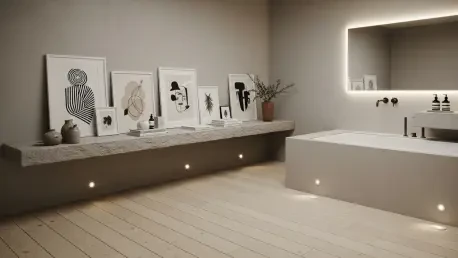
Currently, the architectural landscape is divided between two distinct yet complementary aesthetic philosophies: the atmospheric spa and the curated gallery. The atmospheric spa approach seeks to create a cocoon-like environment where the external world is effectively silenced through the use of monochromatic palettes, seamless surfaces, and hidden technology. It is a design language that speaks to the need for total immersion, where every element is engineered to lower the heart rate and clear the mind after a long day of professional responsibilities. Conversely, the lived-in gallery trend introduces a sense of history and personality that challenges the notion of what a wet room should look like. This style emphasizes warmth and narrative, moving away from the cold, industrial minimalism that dominated the previous decade. By treating the bathroom with the same decorative scrutiny as a living room or a library, designers are making it possible to feel grounded and at home.
Achieving this level of character often involves the strategic integration of freestanding furniture pieces that were never originally intended for a bathroom setting. Repurposing a vintage mahogany dresser into a double vanity or placing a plush velvet armchair in a dry corner of the room immediately shifts the energy of the space from clinical to residential. These choices are supported by the addition of decorative window treatments and antique area rugs, which help to absorb sound and introduce a layer of softness that hard porcelain cannot achieve. By incorporating reclaimed art and curated collectibles on floating shelves, the bathroom becomes a gallery of personal milestones rather than just a place to brush one’s teeth. This intentional layering of textures and objects serves to humanize the environment, ensuring that the room feels lived-in and comfortable. Ultimately, this trend reflects a growing demand for spaces that provide a sense of continuity with the rest of the home’s design.
Embracing Tactile Materials and Living Finishes
A significant shift in contemporary material selection involves the deliberate rejection of high-shine, mass-produced surfaces in favor of materials that possess a distinct sense of soul and history. Living finishes, such as unlacquered brass, aged bronze, and hand-rubbed copper, are now the preferred choice for those seeking a space that evolves naturally over time. These metals are designed to patina through regular contact with water and skin, creating a unique visual narrative that reflects the passage of days and the habits of the inhabitants. Unlike standard chrome or polished nickel, which can feel icy and impersonal, these raw finishes offer a tactile warmth and a muted luster that grounds the room’s aesthetic. This move toward authenticity is not just about visual appeal; it is a response to a digital age where physical sensations are often replaced by smooth glass screens. Choosing fixtures that change and age gracefully allows for a deeper connection to the physical objects within a home.
The craving for organic warmth has also led to the unexpected return of wood as a primary flooring material in high-end bathroom designs. While many have traditionally avoided timber in moisture-heavy environments due to maintenance concerns, modern sealing techniques have made it a viable and highly desirable alternative to cold stone or ceramic tile. The sensation of natural wood grain underfoot provides a soft vibration that instantly makes the space feel more inviting and less institutional. To further break up the rigid lines of traditional plumbing fixtures, designers are increasingly utilizing high-quality textiles like heavy linen sink skirts and tailored fabric panels. These elements add movement and a sense of luxury that was previously reserved for grand dining rooms or bedrooms. By balancing the hardness of stone with the softness of wood and fabric, the bathroom achieves a sophisticated equilibrium. This careful curation of textures ensures that every interaction within the room is as comfortable as it is functional.
Strategic Implementation: Lighting and Longevity
Modern infrastructure was redefined to accommodate a suite of wellness-focused features that were once considered the exclusive domain of luxury health clubs. The integration of compact at-home saunas and fully enclosed, floor-to-ceiling glass shower rooms turned the residential bathroom into a comprehensive wellness center. These enclosed shower spaces were specifically designed to retain steam and heat, providing a therapeutic environment that mimicked a professional hydrotherapy session. Beyond the mechanical features, structural details also evolved to prioritize a streamlined and clutter-free aesthetic that promoted mental clarity. For instance, the traditional recessed niche was replaced by long, integrated stone ledges that spanned the entire width of the shower wall. This design choice not only provided ample space for grooming products but also created a clean, architectural line that enhanced the room’s sense of scale. Such advancements in layout demonstrated a commitment to both physical health and visual tranquility.
Lighting underwent a significant transformation, moving away from harsh overhead fixtures toward a layered scheme that served to curate a specific mood. Sculptural pendant lights and backlit mirrors provided a soft, flattering glow that eliminated the stark shadows often associated with traditional vanity lighting. This thoughtful approach to illumination was paired with immersive soaking stations, where the tub was frequently wrapped in the same stone or tile as the floor to create a monolithic, unified look. To implement these changes effectively, individuals prioritized the integration of dimmable circuits and smart controls that allowed for a gradual transition between functional morning light and restorative evening warmth. Designers suggested focusing on one or two high-impact upgrades, such as a heated towel rack or a high-performance steam generator, to elevate the space without a full overhaul. By prioritizing these structural and atmospheric elements, homeowners successfully transitioned their bathrooms into resilient hubs of well-being.